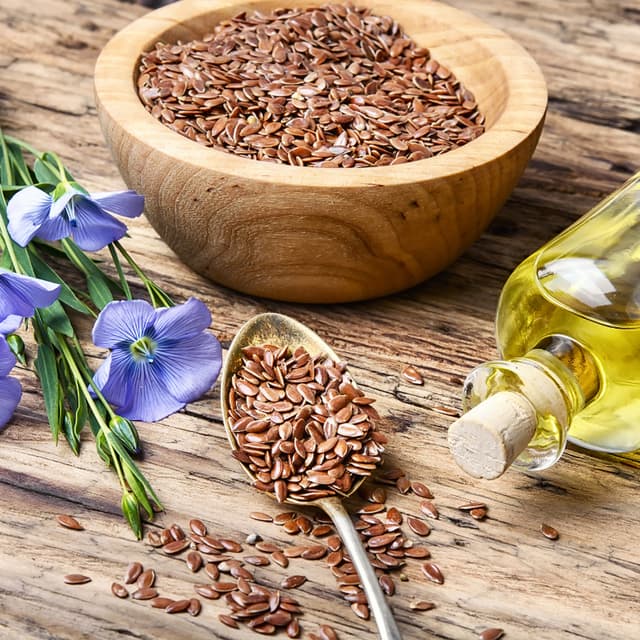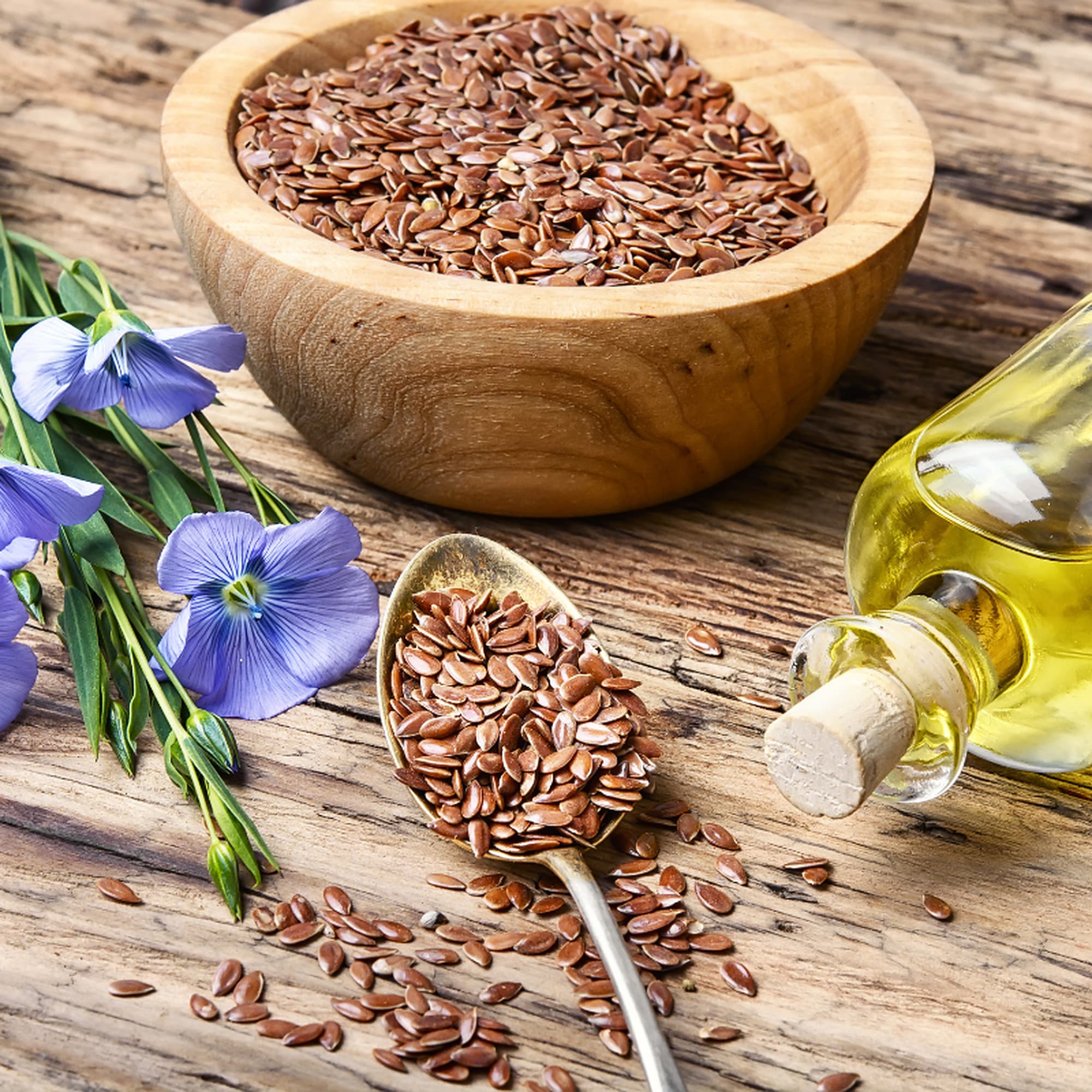
Flax, Brown linseed Seeds plant

Oilseed and fibre crop growing guide

How to grow flax and linseed from seedLinum usitatissimum

Flax is an easy crop to start from seed, but its seedlings are weak, so a shallow, firm, moist seedbed and clean ground decide the stand. In India linseed is a rabi crop sown in October-November; in cooler climates it is sown early in spring.

≈ 22 °C
Germination temp.
7-14 days
Germination
2-4 cm
Sowing depth

At a glance

Germination temperature
Optimum about 22 °C (72 °F) in laboratory tests; Indian guidance gives 25-30 °C (77-86 °F) for germination and early growth.
Sowing depth
2-4 cm (3/4-1 1/2 in) into firm, moist soil; avoid deeper sowing.
Germination time
Seedlings normally appear 7-14 days after sowing; deep or cold seedbeds are slower.
Pre-treatment
None. Sow dry seed; soaked seed turns sticky and clumps.
Season
Rabi crop in India, sown October-November; early spring in temperate regions.
Transplant or direct sow
Direct sow only, in rows 20-30 cm (8-12 in) apart.

Seed preparation

Seed preparation

Use whole, undamaged seed. The flax seed coat is fragile; cracked or split seed gives poor stands. Seed treatment with a recommended fungicide is advised in both Canadian and Indian guidance to protect seedlings from damping off and wilt.
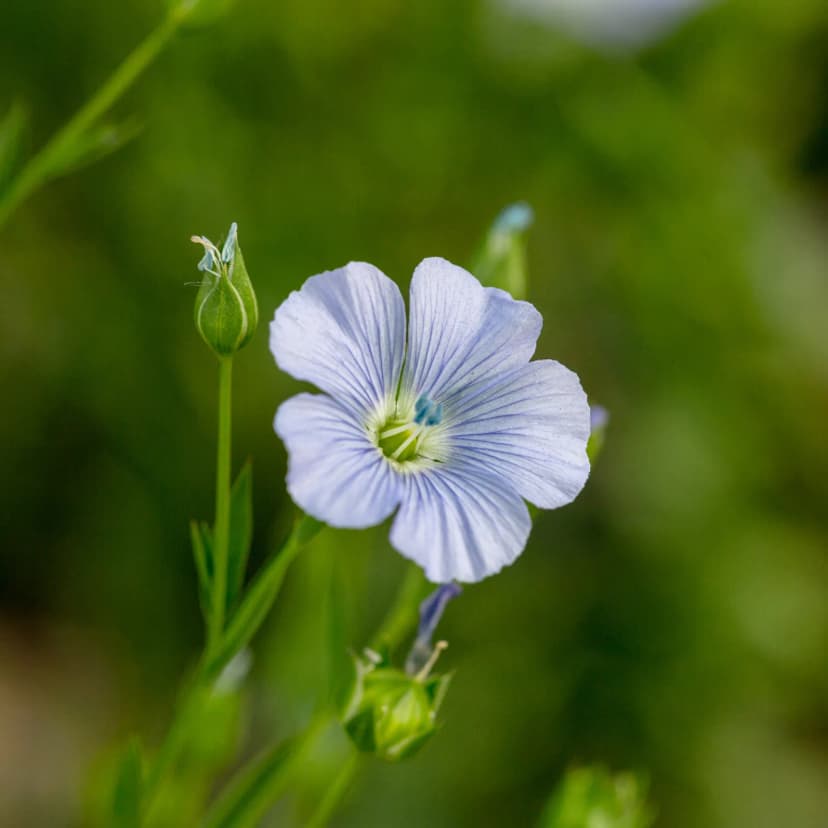
Scarification

Not needed. Flax seed has no hard-seed dormancy, and damaging the coat lowers emergence.

Stratification

Not needed. Linseed has no cold requirement; it germinates as soon as it is sown into moist soil at a suitable temperature.

Soaking

Not needed. The seed coat forms a slippery gel when wet, so soaked seed sticks together and sows unevenly. Sow dry seed into moist soil instead.

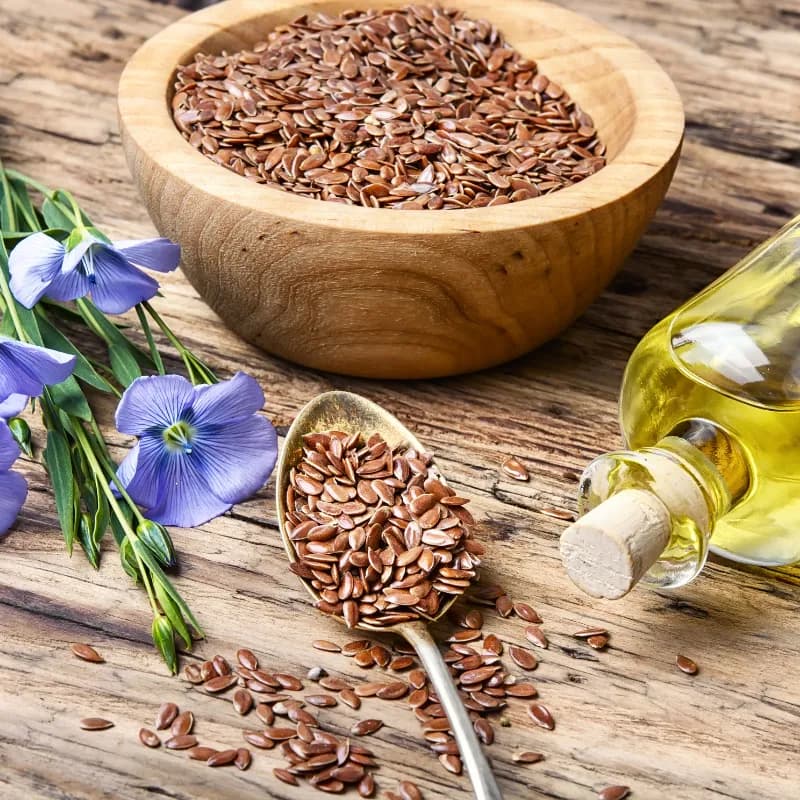
Flax, Brown linseed Seeds

Germination conditions

Germination temperature

A Turkish study modelling flax germination found an optimum of about 22 °C (72 °F) for two cultivars. Indian package-of-practice guidance gives 25-30 °C (77-86 °F) for germination and vegetative growth and 15-20 °C (59-68 °F) for seed formation, which is why the crop is sown after the monsoon heat ends.

Sowing depth

Sow 2.5-4 cm (1-1 1/2 in) deep, a little deeper (up to 5 cm, 2 in) only when the topsoil is dry. Flax seedlings are weaker than cereal seedlings, and deep sowing or a crusted surface delays and thins emergence.

Growing medium

Well-drained loam that is firm under the seed. Avoid waterlogged, saline or drought-prone soils. Do not place nitrogen fertiliser in contact with the seed.

Moisture

Sow into moist soil soon after the land is worked, before the surface dries. In India sow on residual moisture or give a light pre-sowing irrigation.

Light

Light is not needed; the seed is covered with 2-4 cm (about 1-1 1/2 in) of soil.

Germination time

Check rows 7-14 days after sowing. In Canadian field experience only about 50-60% of sown seeds become plants, so sow densely enough to allow for losses.

Transplanting and first growth

  1. Transplanting

    Flax is not transplanted. Sow in rows 20-30 cm (8-12 in) apart and thin to about 10 cm (4 in) between plants, or sow a dense row for fibre. Field seed rates are about 20-30 kg/ha for line sowing in India and 40-45 kg/ha in Canada, where denser stands are used.

  2. First growth stage

    Keep the bed weed-free for the first 4-6 weeks: flax competes poorly with weeds. Seedlings at the cotyledon stage survive light frost to about -3 °C (27 °F) and hardened plants past two leaves tolerate about -8 °C (18 °F) briefly.

  3. Flowering and maturity

    Flax has a vegetative period of about 50 days, flowers for 20-25 days, and needs another 25-30 days to ripen. Indian linseed varieties mature in roughly 120-140 days.

Flax, Brown linseed Seeds

Common problems

ProblemThin, patchy emergence
Cause
Seed sown too deep, a crusted or dry seedbed, cracked seed, or fertiliser placed with the seed.
What to do
Sow 2.5-4 cm deep into firm, moist soil, use treated whole seed and keep fertiliser away from the seed row.
ProblemCrop smothered by weeds
Cause
Flax has small, upright leaves and shades the ground poorly.
What to do
Sow into a clean seedbed, weed early, and aim for a dense stand; Canadian guidance targets at least 300 plants per m² (about 30 per sq ft) in field crops.
ProblemPlants wilt and roots turn grey
Cause
Fusarium wilt or seedling root rot, often in fields cropped to flax too often.
What to do
Grow resistant varieties, treat the seed and grow flax on the same land no more than once in three years.
ProblemFlower buds die (India)
Cause
Linseed bud fly larvae feeding inside the buds.
What to do
Sow 10-15 days earlier, which reduces infestation; neem-based azadirachtin sprays have reduced bud damage in Indian trials.
ProblemWhite powder or rusty pustules on leaves
Cause
Powdery mildew, rust or Alternaria blight, which are worse in late-sown crops.
What to do
Sow on time, choose resistant varieties and rotate.

Practical growing tips

Sow on time in India

Sow in October to early November. Early sowing helps the crop escape powdery mildew, rust and bud fly and lets seed fill in the cool 15-20 °C (59-68 °F) part of winter.

Water at the critical stages

Where irrigation is available, one or two irrigations at about 35 and 75 days after sowing (branching and flowering to seed filling) are usually enough; light soils may need 3-4.

Feed modestly

Too much nitrogen makes tall, lodging plants. Indian guidance for rainfed linseed is about 30 kg N and 15 kg P per hectare, with sulphur on deficient soils.

Harvest when bolls are brown

Cut when about 90% of bolls have turned brown, even if stems are still green, and seeds rattle and look shiny. Dry seed to about 8-10% moisture before storage.

Flax and linseed seeds from Deodar

Order brown linseed seeds for a rabi or early spring sowing.

Frequently asked questions

Should I soak flax seeds before sowing?

No. Flax seed forms a sticky gel when wet, so soaked seed clumps and sows unevenly. Sow dry seed 2.5-4 cm deep into moist soil.

When should linseed be sown in India?

In the rabi season, usually October to early November. Early sowing reduces bud fly, powdery mildew and rust and lets seed fill in cool weather.

Can I grow linseed for seeds and fibre from the same plants?

Yes, linseed is often used as a dual-purpose crop: seed is threshed from the bolls and the stems can be retted for fibre. Dedicated fibre flax types are sown more densely and grow taller.