
Seed preparation
Use clean, certified seed. Chicory (kasni) is one of the common weeds of berseem fields in India; inspect the seed and reject lots with visible foreign seed.
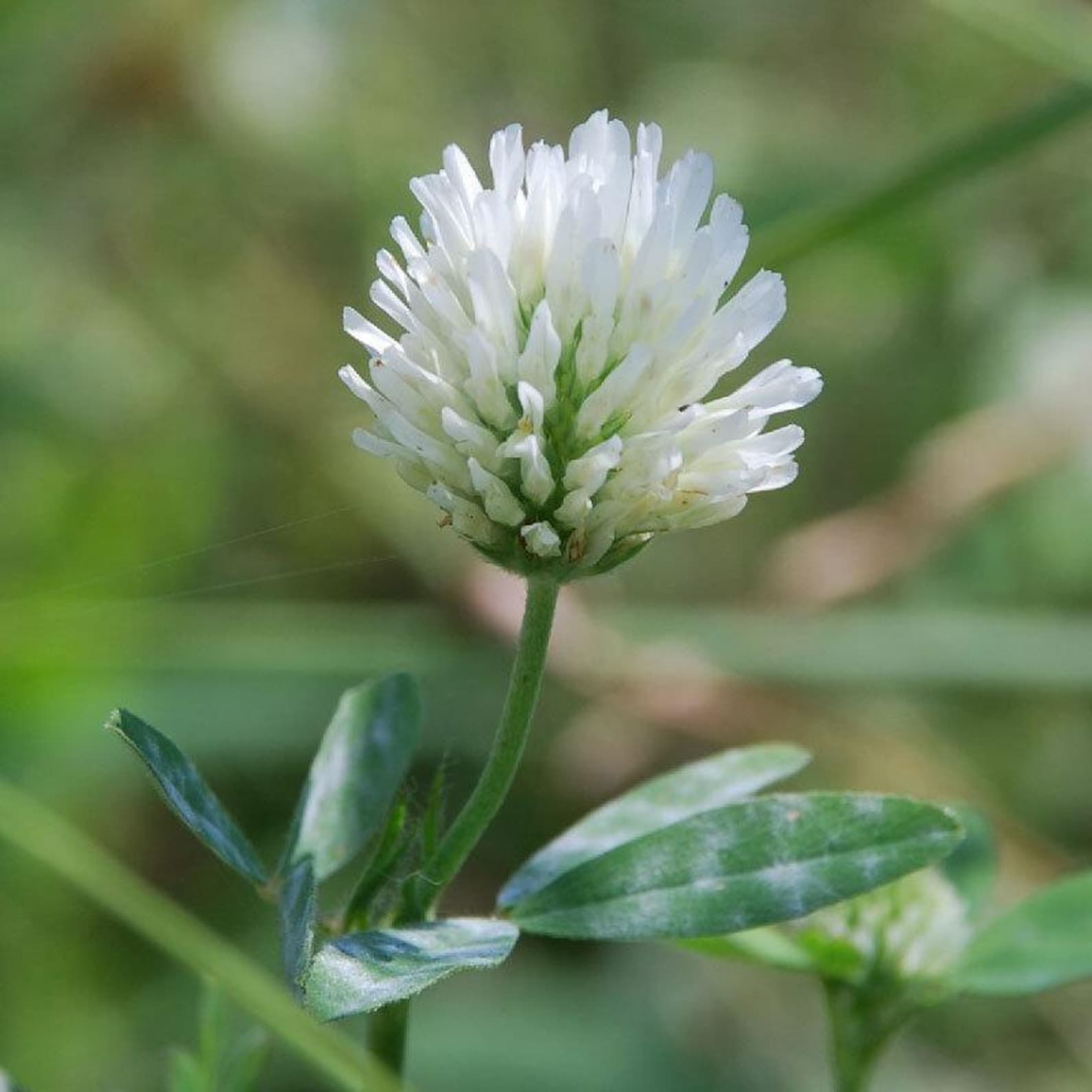
Fodder crop growing guide
Berseem, or Egyptian clover, is the main rabi fodder legume of north India: sown after the monsoon, it gives five or six cuts of soft, protein-rich green fodder until spring. Good establishment depends on timely sowing, clean seed, the right Rhizobium inoculant and frequent light irrigation.
Use clean, certified seed. Chicory (kasni) is one of the common weeds of berseem fields in India; inspect the seed and reject lots with visible foreign seed.
Berseem fixes nitrogen with Rhizobium leguminosarum biovar trifolii. Where berseem has not been grown recently, coat the seed with this clover inoculant shortly before sowing and sow it promptly.
Not needed for normal commercial seed, which germinates readily when sown into moist soil.
Not needed. Berseem has no cold requirement; sowing into moist or freshly irrigated soil is enough.
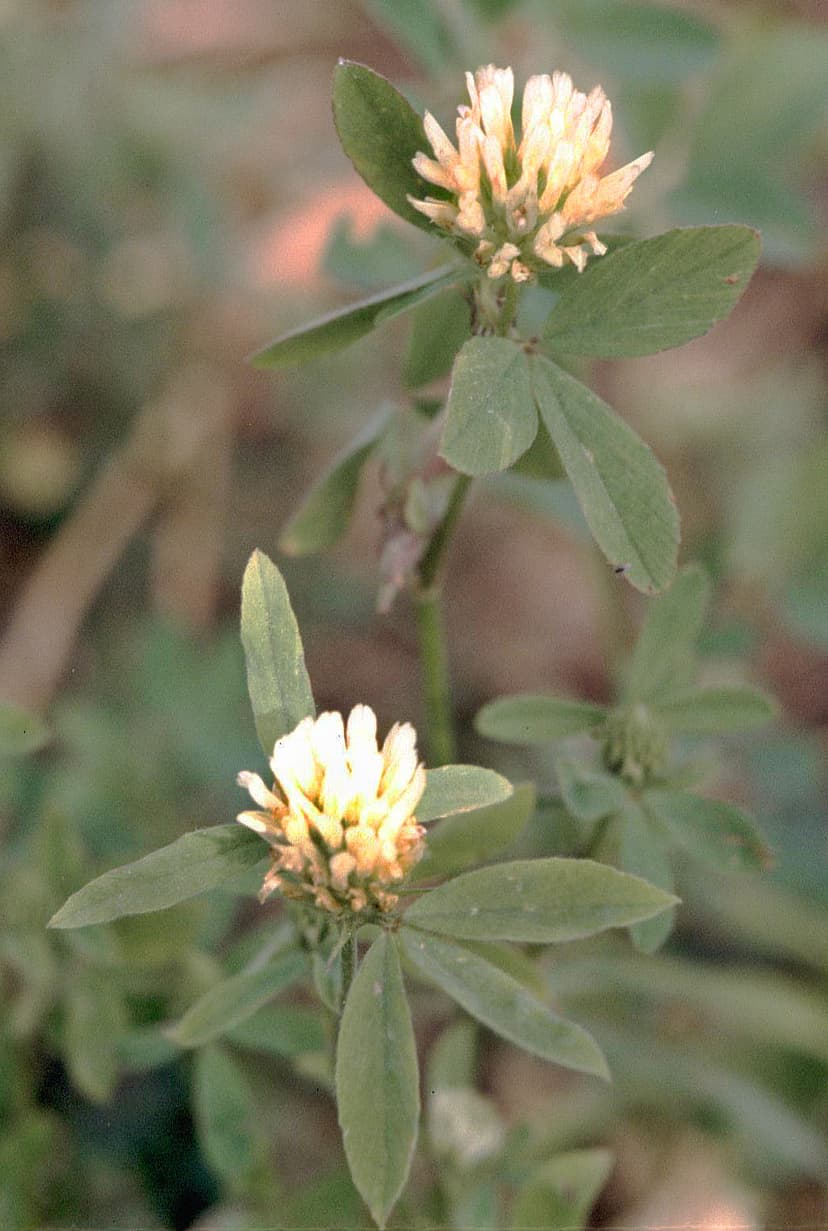
Berseem is a cool-season clover that grows poorly in hot summers. Sow when the post-monsoon heat breaks: mid-September to end of October in the plains. In a Punjab trial, a 10 September sowing gave the highest fodder yield, while an October sowing suited a seed crop.
Cover the seed lightly, about 6 mm (1/4 in) deep. Clover seed is small and should not be buried deeply.
Fertile loam to clay with pH about 6.5-8. Berseem does not tolerate acid soils, is moderately salt-tolerant and copes with wet, heavy soils better than lucerne.
Keep the surface moist until the crop is established; weekly irrigation is typical at the start, and a full irrigated season usually needs 10-15 irrigations.
Seed is lightly covered; light is not required for germination. Grow the crop in full sun.
Emergence is quick in moist, mild autumn soil. If the surface dries before seedlings appear, irrigate lightly again rather than resowing.
Berseem is not transplanted. Broadcast evenly on a well-prepared, levelled seedbed, or sow in lines, then irrigate lightly.
Keep weeds down in the first weeks, while seedlings are small. The first cut comes about 50-60 days after sowing; cut when new basal buds are about 2-4 cm (1-1 1/2 in) long so the plant regrows from the base.
Cut every 30-40 days (about 30 days in winter and spring). Branching types such as Mescawi give 4-6 cuts under irrigation, ending around mid-May in north India; rainfed crops give only 1-2.
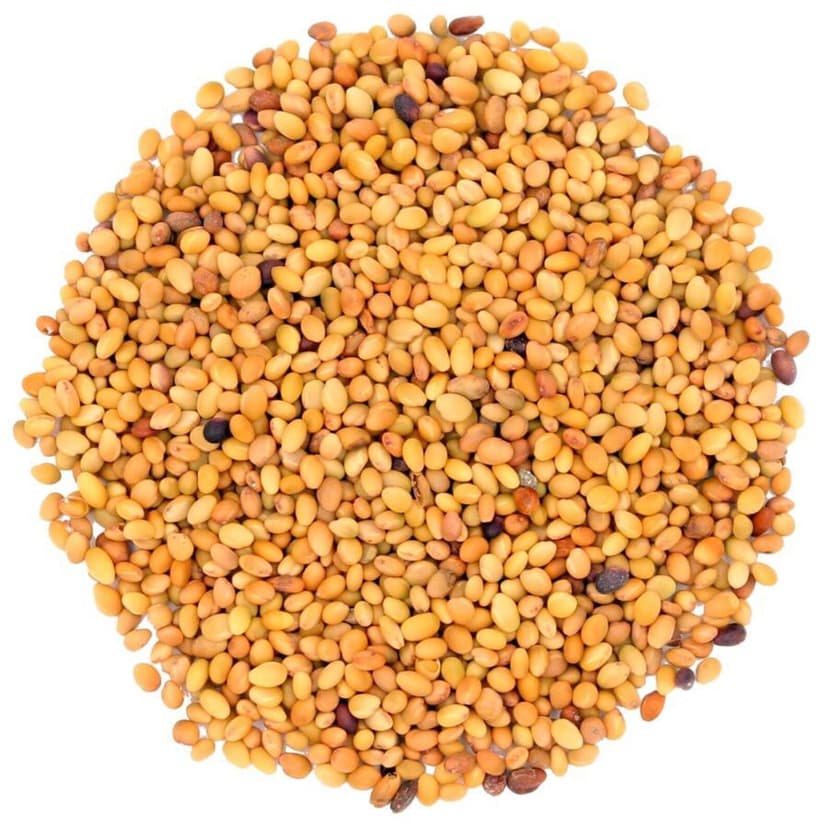
Multi-cut branching types such as Mescawi, and Indian varieties such as JB-1 or UPB 103, suit dairy farms. Giant tetraploid berseem needs a heavier seed rate but less irrigation.
Berseem tolerates frost to about -6 °C (21 °F), so it carries on through north Indian winters.
Stop cutting in late winter and let the crop flower. Sources differ on timing: NDDB guidance leaves plots uncut after February, while a Punjab trial got the most seed with a last cut on 25 March. Seed set needs honey bees for cross-pollination; expect about 4-5 quintals of seed per hectare.
Green berseem contains about 17-24% crude protein. It is fed as fresh fodder together with dry straw.
Order berseem seeds for your next rabi fodder sowing.
From mid-September to the end of October in the plains and from mid-August to early September in the hills. Earlier sowing gives more fodder; a late-October sowing suits a seed crop.
Under irrigation, usually 4-6: the first about 50-60 days after sowing, then every 30-40 days until about mid-May. Rainfed crops give only 1-2 cuts.
Inoculation is advised where berseem has not been grown before. Use the clover inoculant (Rhizobium leguminosarum biovar trifolii), not a culture for other legumes.
About 8-10 kg per acre (20-25 kg/ha) of ordinary berseem, or 12-14 kg per acre (30-35 kg/ha) of giant tetraploid types.
