Seed preparation
The seed is small, round and dark. Mix it with a little dry sand and scatter it thinly over a raked, weed-free bed, or sow along shallow drills.
Flower growing guide
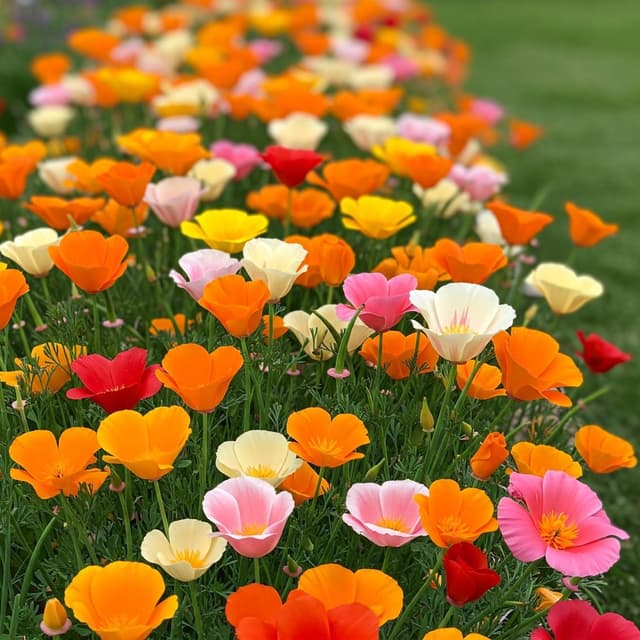
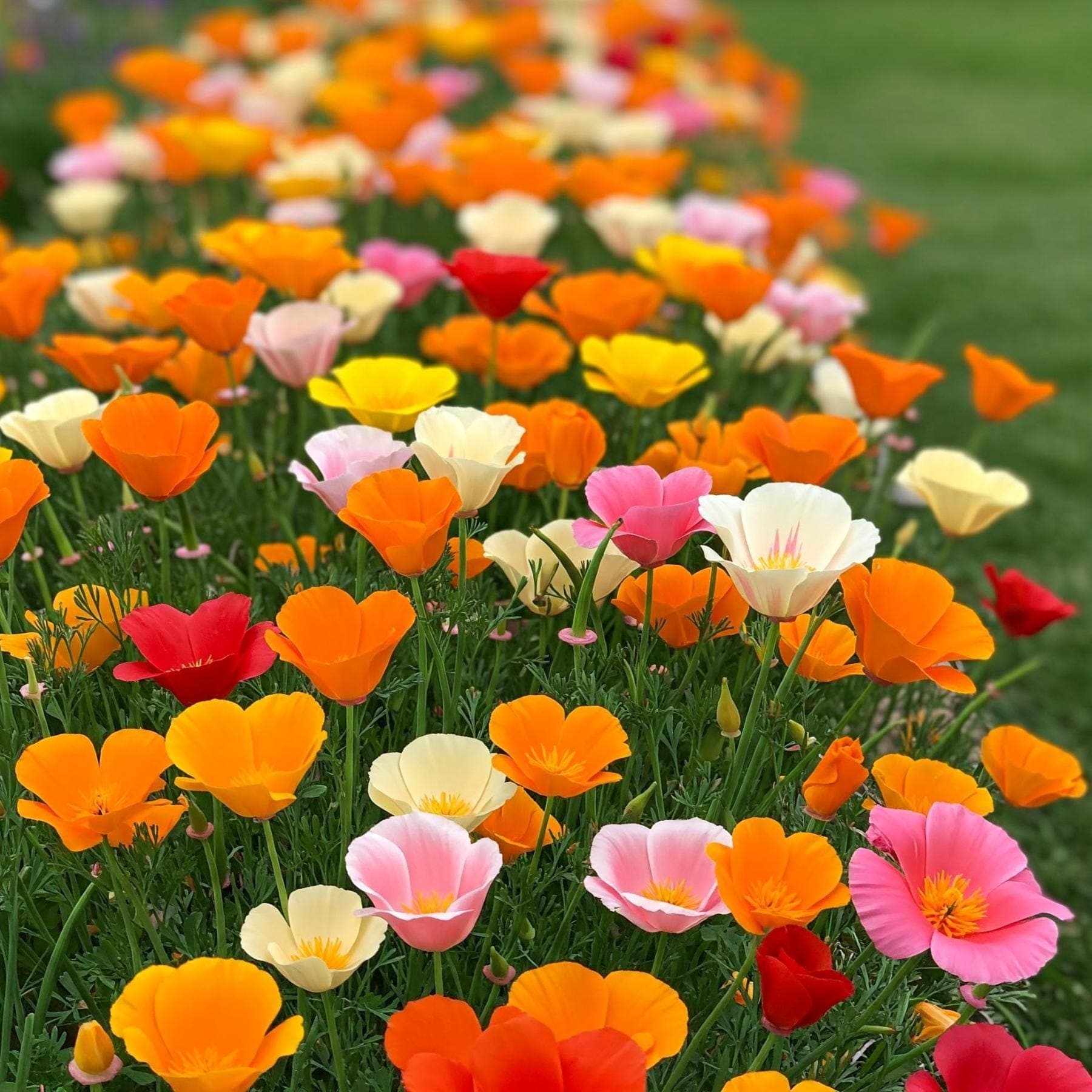
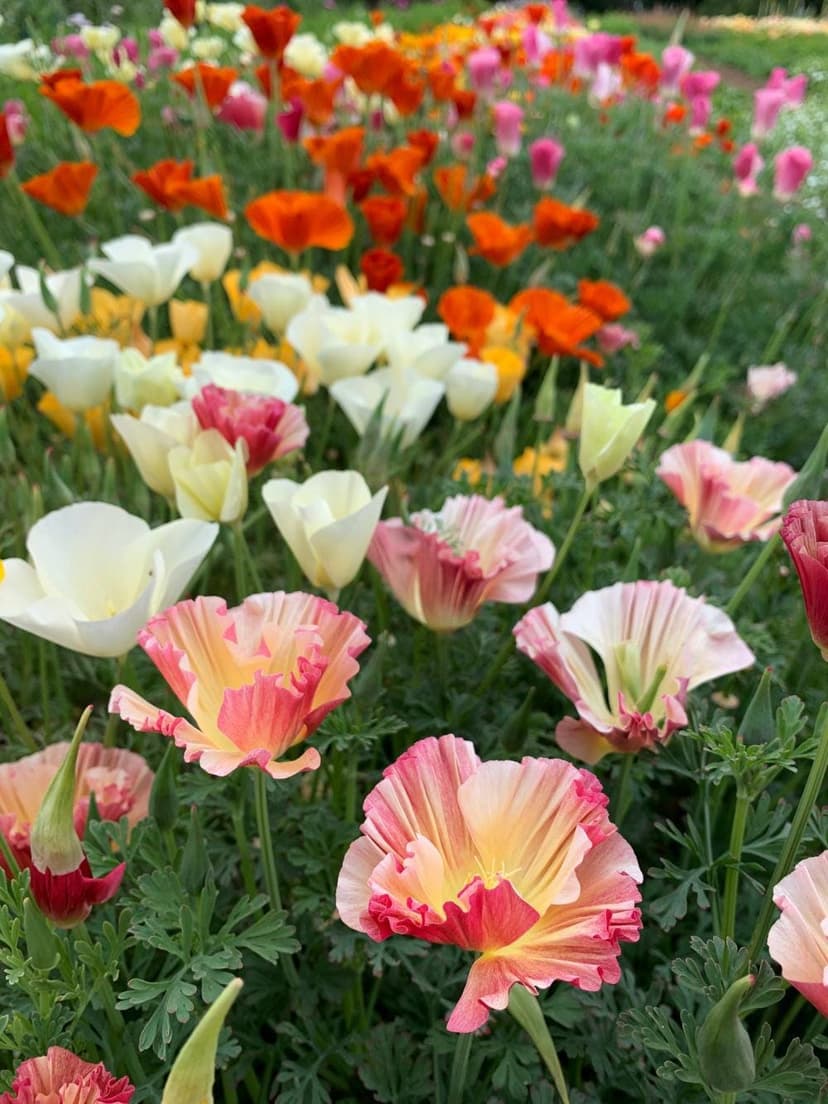
California poppy (eschscholzia) gives silky orange, yellow, cream and pink flowers on blue-green, finely cut leaves, and thrives in poor, dry, sunny ground. It has a taproot and transplants badly, so sow it directly where it is to flower.
The seed is small, round and dark. Mix it with a little dry sand and scatter it thinly over a raked, weed-free bed, or sow along shallow drills.
Not needed. Heat treatments harmed the seed of most populations tested.
Not needed for garden varieties, which have little dormancy. Wild-collected seed can be dormant; there, sowing in autumn or a short cold, moist period before sowing may help, but cultivated mixes germinate well without it.
Not needed. Sow dry seed into moist soil.
Germinates in cool to mild soil. A university seed chart uses about 22 °C (72 °F), and research trials used a steady 15 °C (59 °F). Avoid sowing into hot summer soil.
Cover with about 3 mm (1/8 in) of soil; up to 6 mm (1/4 in) is fine. USDA guidance for wild, dormant seed goes deeper, 6-13 mm (1/4-1/2 in).
Well-drained sandy to loamy soil, neutral to alkaline. Poor soil is ideal; heavily composted, rich soil gives poorer establishment and more leaves than flowers.
Keep the surface lightly moist until seedlings are up, then water only occasionally and deeply. Overwatering causes root rot.
California poppy seed is negatively photoblastic: light inhibits germination. In trials, more seed germinated in darkness, and none germinated on the soil surface. Make sure the seed is covered.
About 6-8 days at around 22 °C; slower in cool autumn or winter soil.
Avoid transplanting. The plant forms a taproot and moves badly; only very young seedlings in cells or plugs survive being planted out. Sowing directly in place is far more reliable.
Thin seedlings so each plant has room to spread; plants reach 30-60 cm (1-2 ft) tall and wide. Pull extras rather than trying to move them.
Young plants form a rosette of feathery leaves before flowering stems rise. Keep weeds down at this stage; seedlings compete poorly with grass and dense weeds.
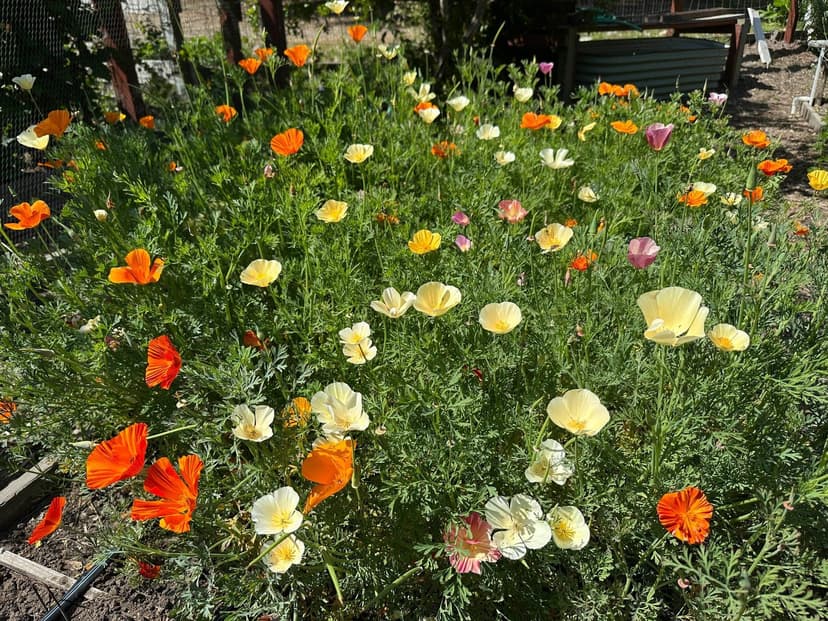
California poppy is a cool-season annual. In the Indian plains sow after the monsoon as the weather cools, for flowers in late winter and spring. In mild-winter climates autumn sowing works well; where winters are harsh, sow in early spring and in succession for a longer display.
It thrives in poor, dry soil and needs no fertiliser. Over-feeding produces lots of foliage and few flowers.
Removing spent flowers keeps plants blooming. Leave a few seed pods if you want self-sown seedlings next year; the dry pods split and scatter seed, so deadhead regularly where spread is unwanted.
The plant contains alkaloids and may be toxic to livestock, so do not sow it in pasture.
Sow an eschscholzia mix directly in a sunny, dry bed for silky poppies in orange, yellow, cream and pink.
No, the opposite: light inhibits their germination. Cover the seed with about 3 mm (1/8 in) of soil and keep it lightly moist.
It is not recommended. They have a taproot and transplant badly. If you must, sow into small cells and plant out very young seedlings without disturbing the roots.
Not for garden varieties, which germinate readily. Cold, moist treatment mainly helps dormant wild-collected seed.
California poppy flowers open in sunshine and close in shade, dull weather and in the evening. Grow plants in full sun.