
Seed preparation
Calendula seeds are large, curved and easy to handle, so you can space them individually. Seeds in one packet often differ in shape; all of them are normal and grow the same way.
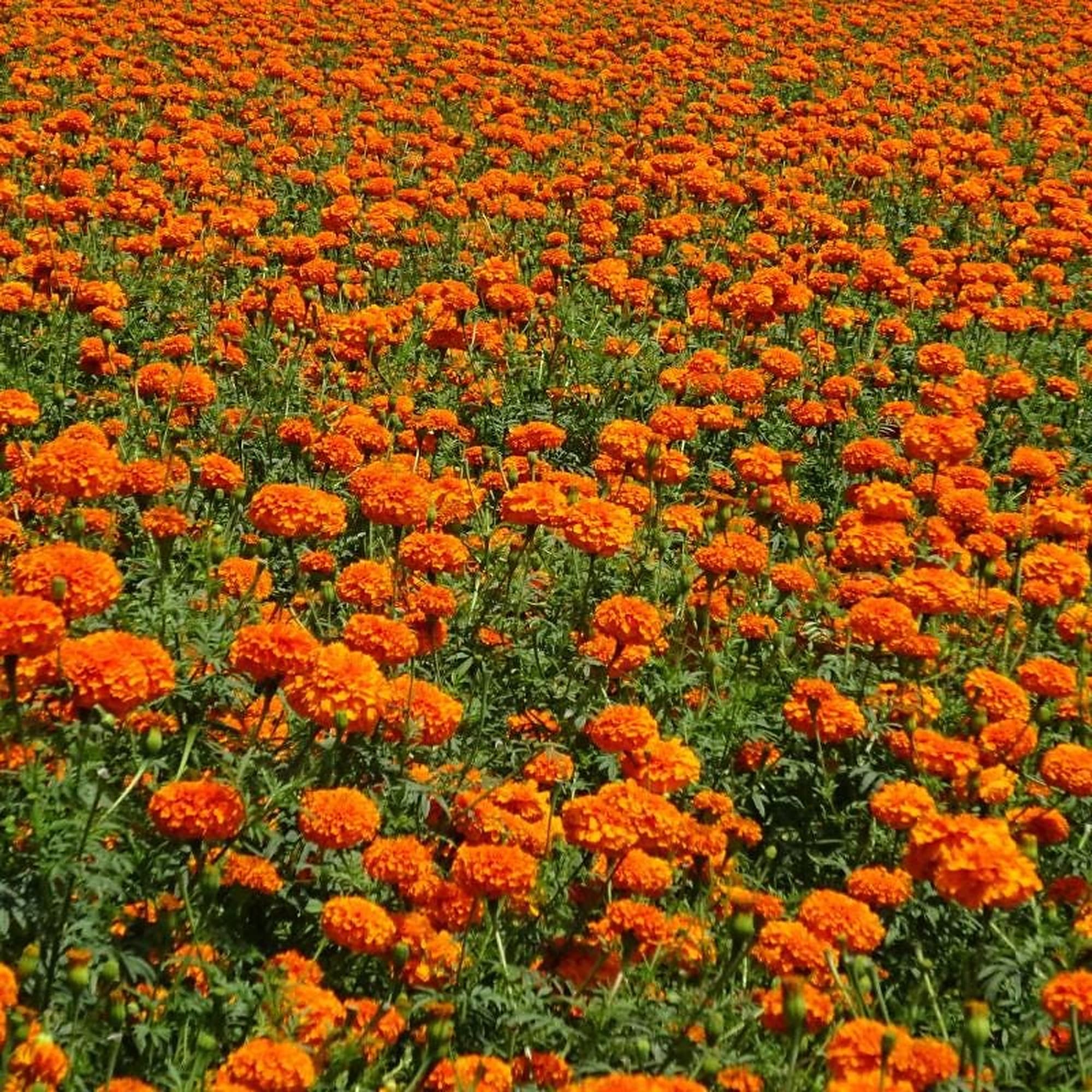
Flower growing guide
Calendula, or pot marigold, is a cool-season annual with large seeds that germinate best covered and in the dark. This guide covers sowing depth, the cool weather it needs, and how to keep the orange and yellow flowers coming.
Calendula seeds are large, curved and easy to handle, so you can space them individually. Seeds in one packet often differ in shape; all of them are normal and grow the same way.
Not needed. The seed takes up water readily through its coat.
Not needed. Calendula has no cold requirement; it simply prefers to be sown into cool rather than hot weather.
Not needed. Sow dry seed into moist soil and water it in.
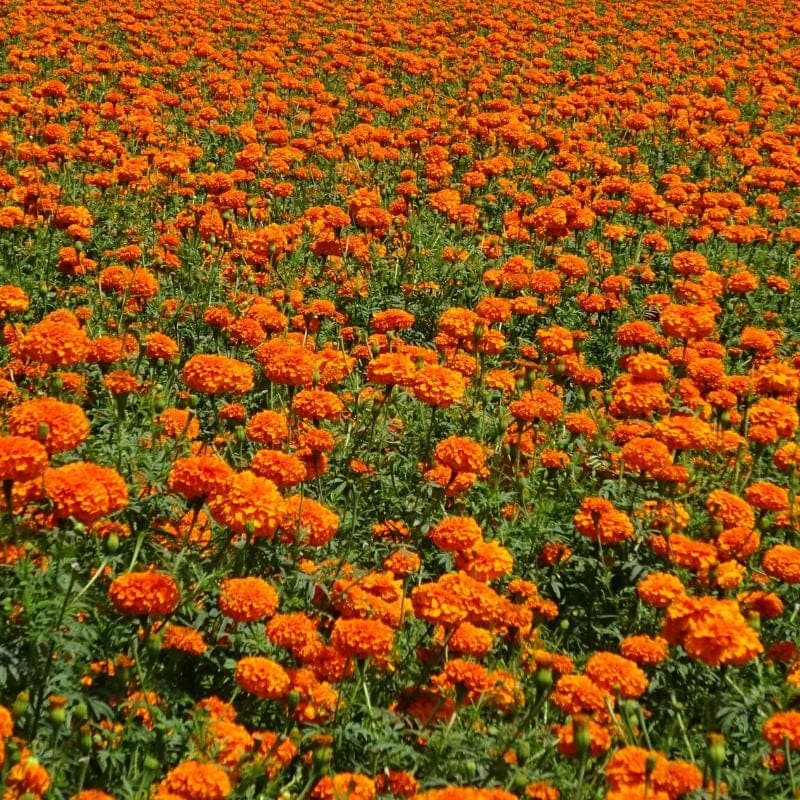
Indoors or in a nursery tray aim for about 21 °C (70 °F). Outdoors, Utah State University advises sowing once soil reaches about 16 °C (60 °F).
Cover the seed with about 6 mm (1/4 in) of soil or compost.
Any well-drained seed compost or a fine, crumbly bed. Calendula is not fussy about soil fertility.
Keep the soil evenly moist until emergence. Large seeds sown into dry soil often fail to come up evenly.
Calendula germinates in darkness. The University of Alaska seed-starting chart lists it as a dark germinator, so make sure every seed is covered.
Seedlings usually appear in 7-14 days; the Alaska chart gives 10-14 days at 21 °C (70 °F).
If you start seed in trays, sow about 6-8 weeks before planting out and move seedlings while they are still young, before the roots circle the cell.
Thin direct-sown seedlings to 20-30 cm (8-12 in) apart. Plants reach 30-60 cm (1-2 ft) tall and wide.
Calendula prefers temperatures below about 29 °C (85 °F) and often stops flowering in strong heat. Full sun is best in cool weather; light afternoon shade helps in warm spells.
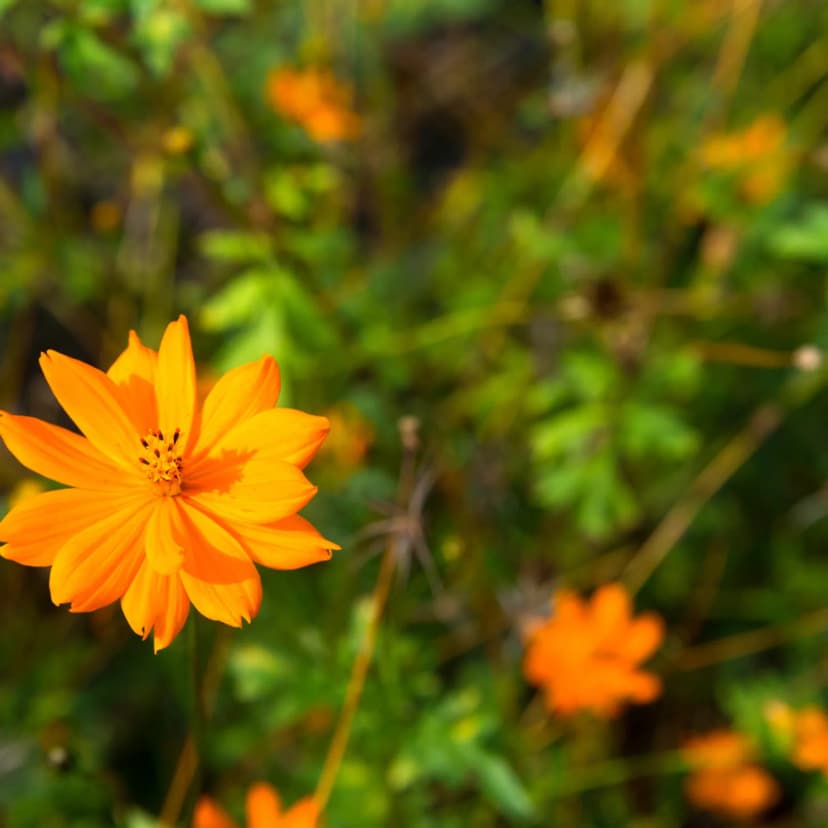
In the north Indian plains calendula is a winter annual. Punjab Agricultural University recommends transplanting it in October-November; seedlings go out 35-40 days after sowing, so sow from about mid-September to early October. Plants then flower through winter into early spring. In the hills, sow in spring for flowers in the mild summer.
Remove or harvest old flowers regularly. Plants flower again in about 2 weeks after a picking, and deadheading keeps them productive.
For drying or kitchen use, pick whole flowers at full bloom on a dry morning.
Calendula self-seeds readily if flowers are left to ripen. Deadhead if you do not want volunteers, or let a few seed heads drop for next season.
Sow calendula for a bright orange and yellow winter border, pots and cut flowers.
No. Calendula germinates in darkness, so cover the seed with about 6 mm (1/4 in) of soil.
No. Calendula officinalis is called pot marigold, but it is a different plant from the French and African marigolds (Tagetes) that are widely grown in India. Calendula prefers cool weather; Tagetes tolerates heat.
Most often heat. Calendula prefers temperatures below about 29 °C (85 °F). Keep deadheading, give some afternoon shade in warm weather, and sow again for the cool season.
Yes. The seed is large and easy to space, so direct sowing works well. Sow about 6 mm (1/4 in) deep into moist soil once it has reached about 16 °C (60 °F), then thin seedlings to 20-30 cm (8-12 in) apart.
In the north Indian plains, sow from about mid-September to early October. Punjab Agricultural University recommends transplanting calendula in October-November, and seedlings are moved 35-40 days after sowing. In the hills, sow in spring.
