

About this variety
Lemon Balm Seeds (Melissa officinalis) – The Herb of Calm and Flavor
Lemon Balm, scientifically known as Melissa officinalis, is a fragrant perennial herb grown for its citrus-like aroma, culinary use and garden value. With its lush green foliage and ability to attract pollinators, it is a staple in herb gardens and an essential addition to any home gardener’s collection.
Why Grow Lemon Balm?
1. Aromatic and Versatile:
- Its fresh, lemon-like fragrance is perfect for teas, desserts, and savory dishes.
- Adds a zesty twist to beverages and salads, making it a culinary favorite.
2. Garden and Culinary Uses:
- The lemon-scented leaves may be used in teas and culinary preparations.
- Grow as an aromatic herb and flowering garden plant.
3. Pollinator-Friendly:
- Lemon Balm’s tiny, nectar-rich flowers attract bees, butterflies, and other beneficial pollinators to your garden.
4. Easy to Grow and Maintain:
- This hardy herb thrives in various climates and requires minimal care, making it ideal for beginners.
Plant Characteristics
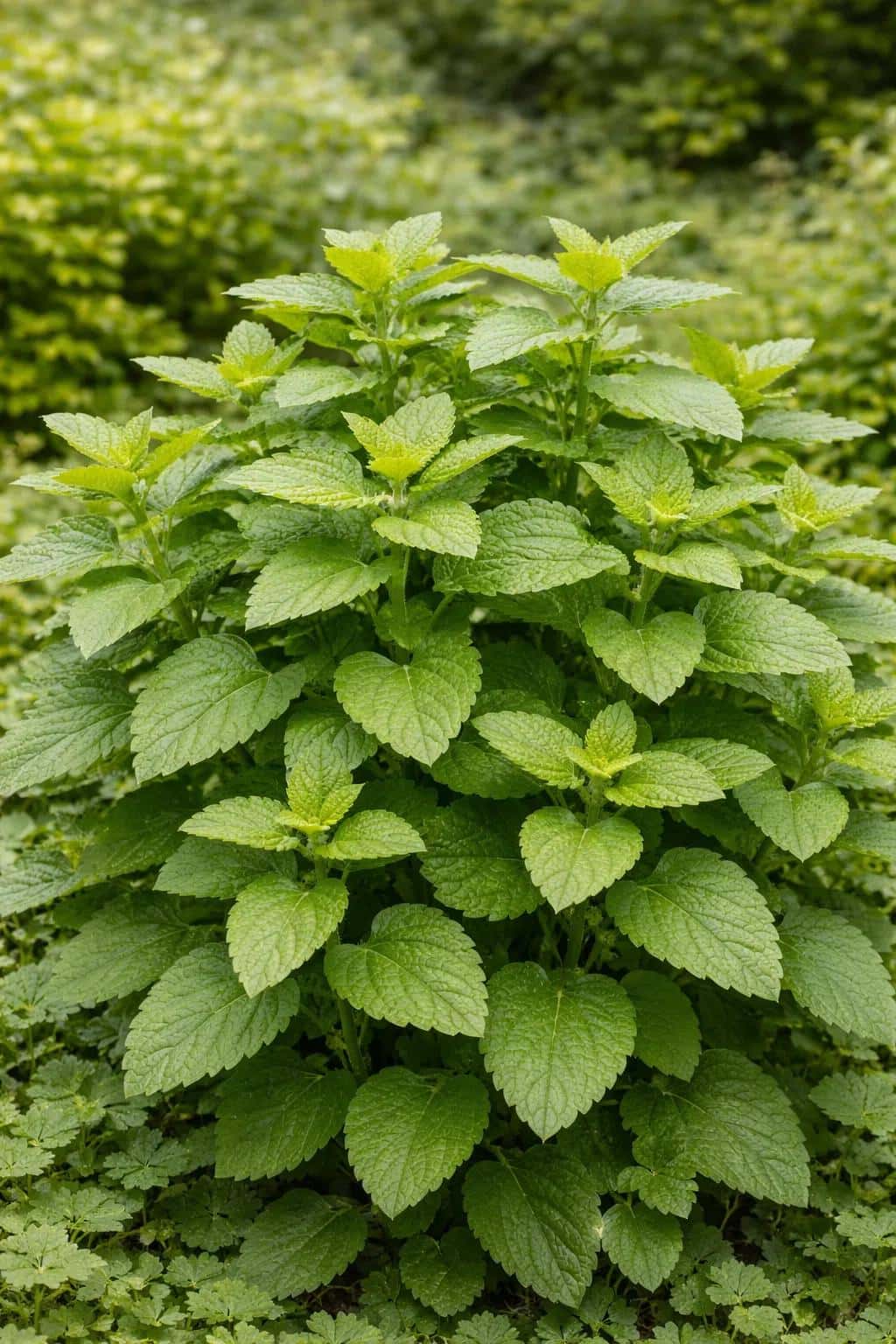
- Growth Habit: A bushy, perennial herb that grows up to 60–90 cm tall and spreads vigorously.
- Foliage: Bright green, slightly crinkled leaves with a strong lemon aroma.
- Flowers: Small, pale white or pinkish flowers bloom in clusters, adding charm and functionality to your garden.
- Lifespan: A long-lasting herb that can thrive for years with proper care.
Growing Lemon Balm from Seeds
1. Seed Sowing:
- Sow seeds directly in the garden or start indoors 6–8 weeks before the last frost.
- Lightly press seeds into the soil without covering them, as they need light to germinate.
2. Germination:
- Seeds germinate within 7–14 days at temperatures between 18–24°C.
3. Plant Spacing:
- Space plants 30–40 cm apart to allow for proper air circulation and bushy growth.
4. Ideal Conditions:
- Light: Prefers full sun to partial shade.
- Soil: Well-draining, moderately fertile soil with a neutral to slightly acidic pH.
- Watering: Regular watering is required, but avoid waterlogging.
Care and Maintenance
- Pruning: Regularly trim back stems to encourage bushy growth and prevent the plant from becoming too woody.
- Harvesting: Harvest fresh leaves as needed for culinary use. For drying, cut stems before flowering for the best flavor and aroma.
- Pest Resistance: Lemon Balm is naturally resistant to most pests, making it a low-maintenance choice for herb gardens.
Why Choose Our Lemon Balm Seeds?
Deodar Seeds supplies Lemon Balm seeds for herb and pollinator garden planting.
- High Germination Rates: Our seeds are carefully selected for their reliability and quality.
- Versatile Use: Grow it for culinary or ornamental garden use.
- Eco-Friendly: Lemon Balm is a sustainable and low-impact addition to any garden.
Cultivate Lemon Balm
Grow Lemon Balm for its citrus-like aroma, culinary use and pollinator-friendly flowers.
From Deodar Seeds Company