
Out of stock

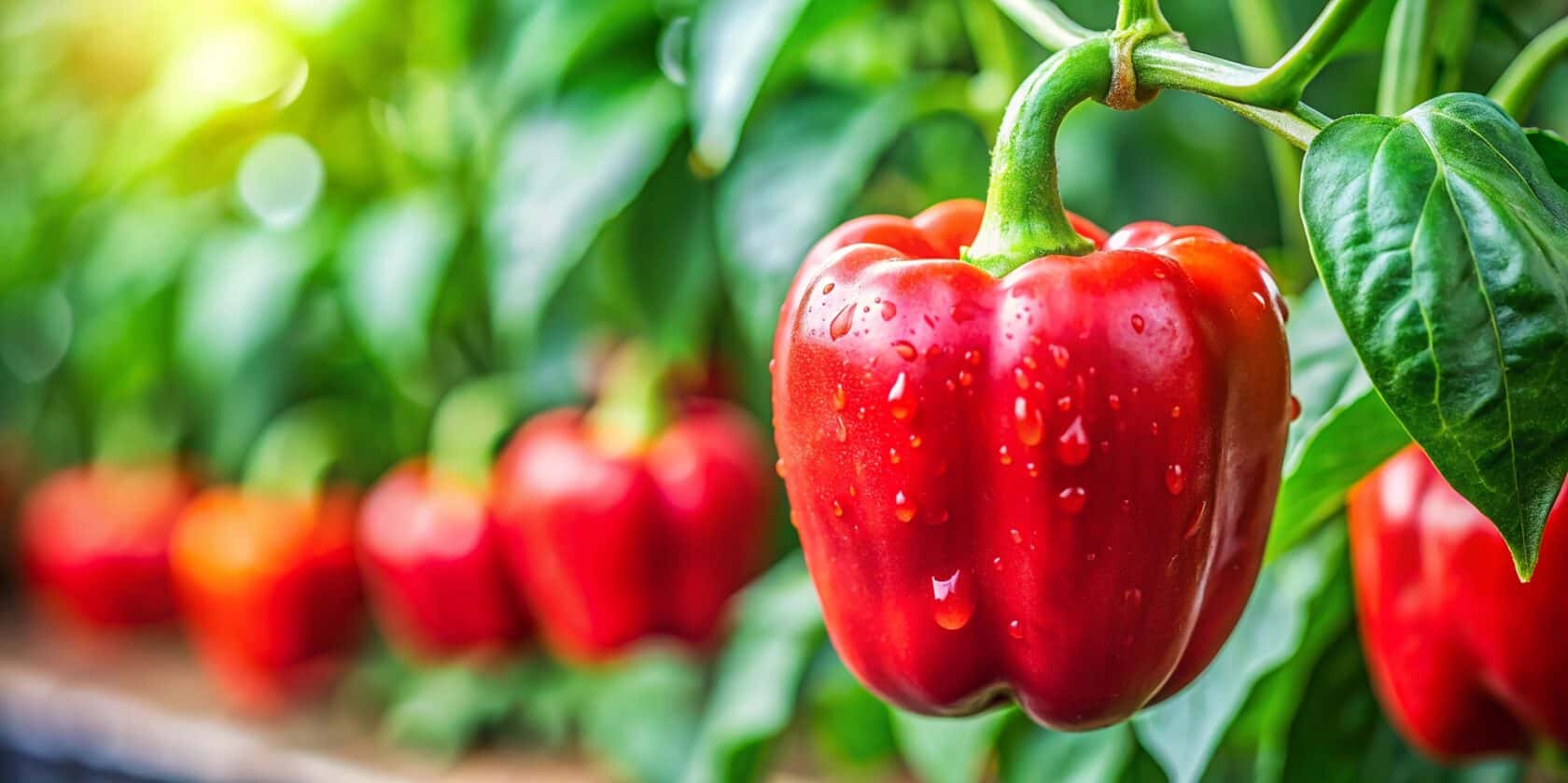
Vegetable seed collection
Pepper varieties, from sweet bell types to superhot chillies. Pick a group by heat and fruit type, then check the germination notes below: peppers sprout fast in warm soil and slowly in cool soil.
Kew lists Capsicum annuum as including both sweet bell peppers and chilli peppers, so heat alone does not tell you the species. The range here runs from sweet red, yellow and green peppers to jalapeños, habaneros, 7 Pot and Trinidad types, biquinho, aji and plain cayenne and Thai-style chillies. Every page shows the exact variety name; heat, colour and species are read from the product page, not guessed from the group.
110 seed listings with current packet options and USD prices. Page 5 of 5.
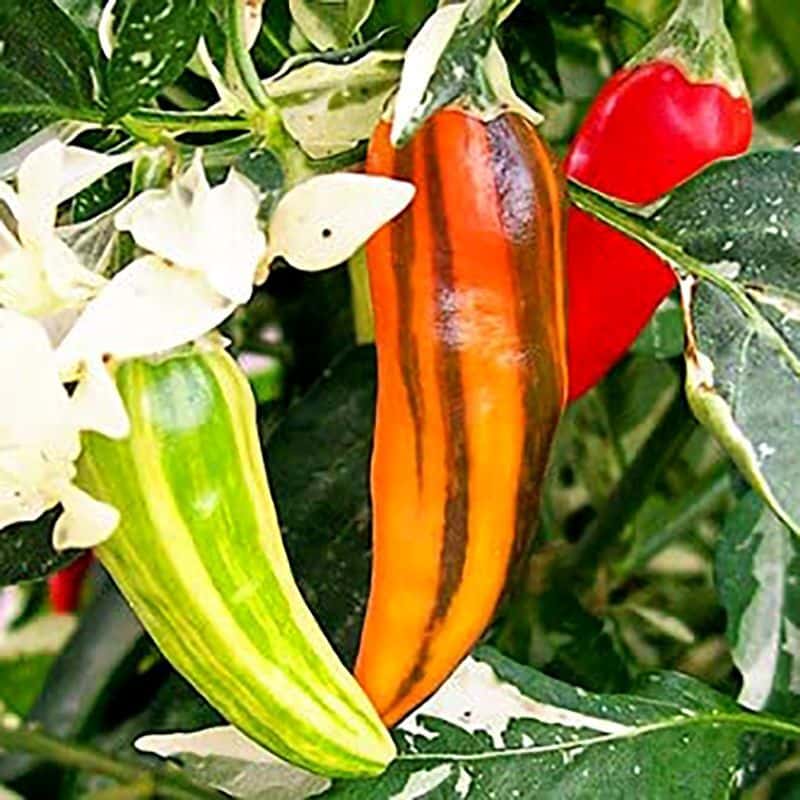
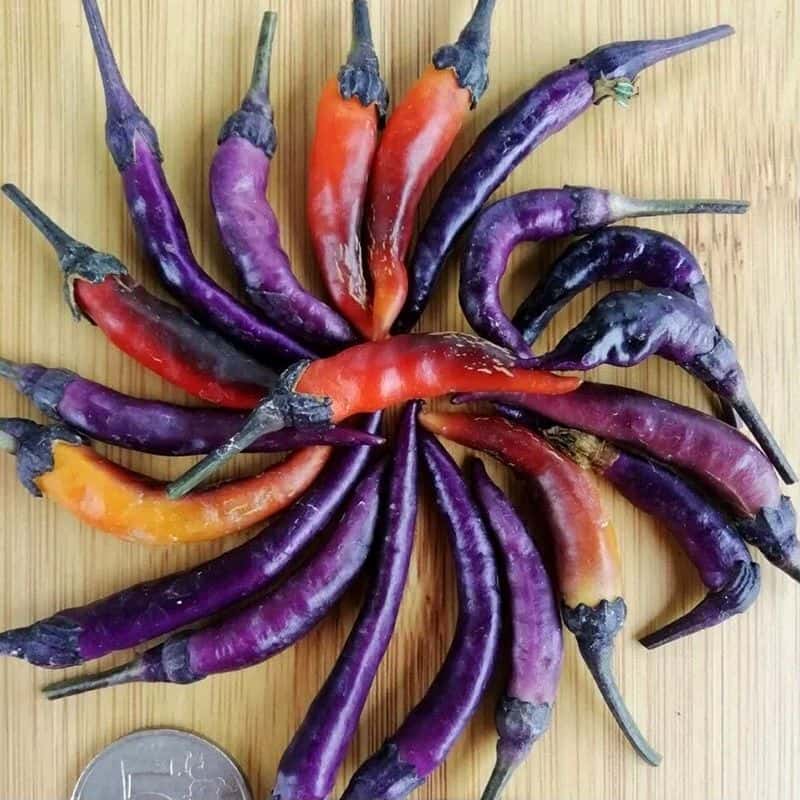
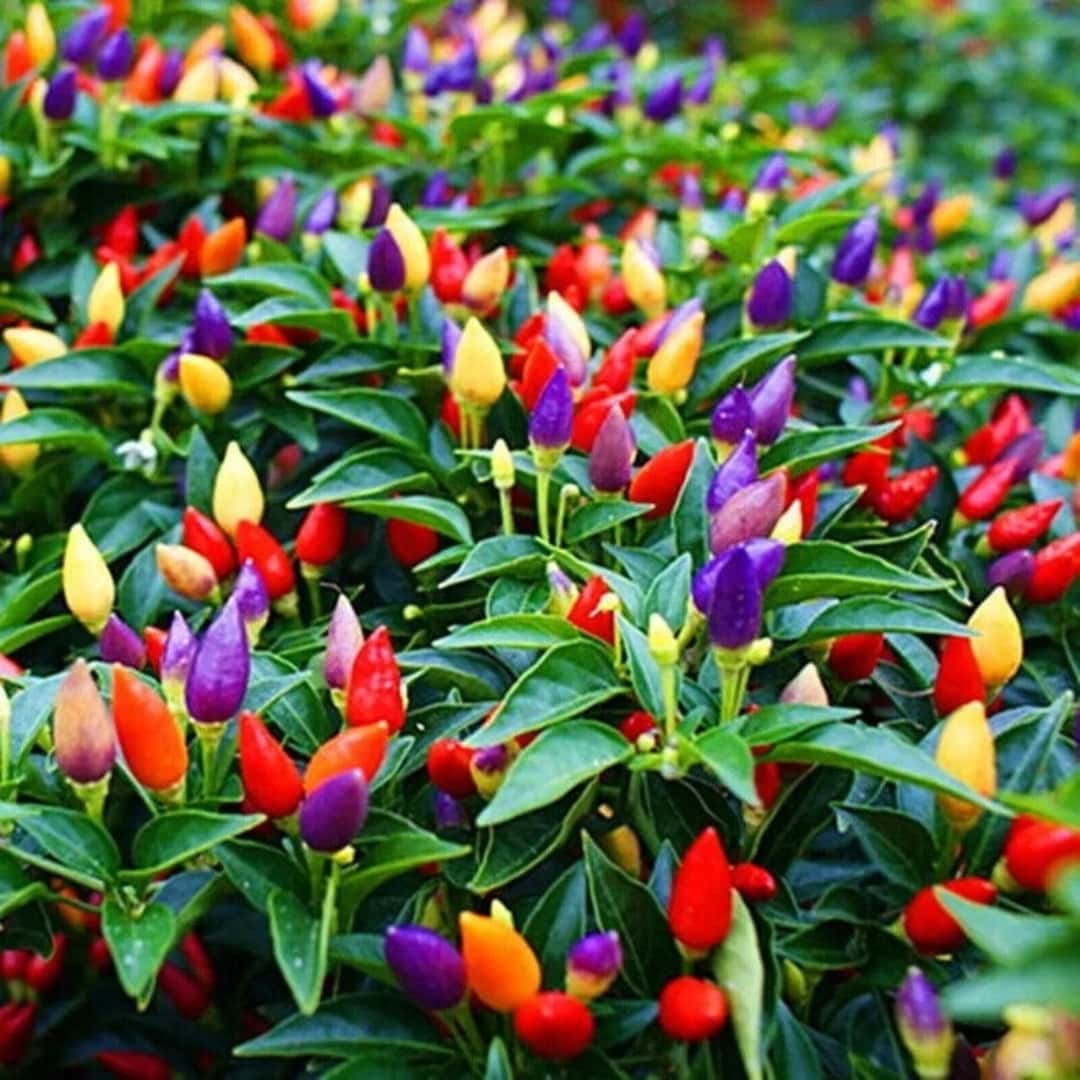
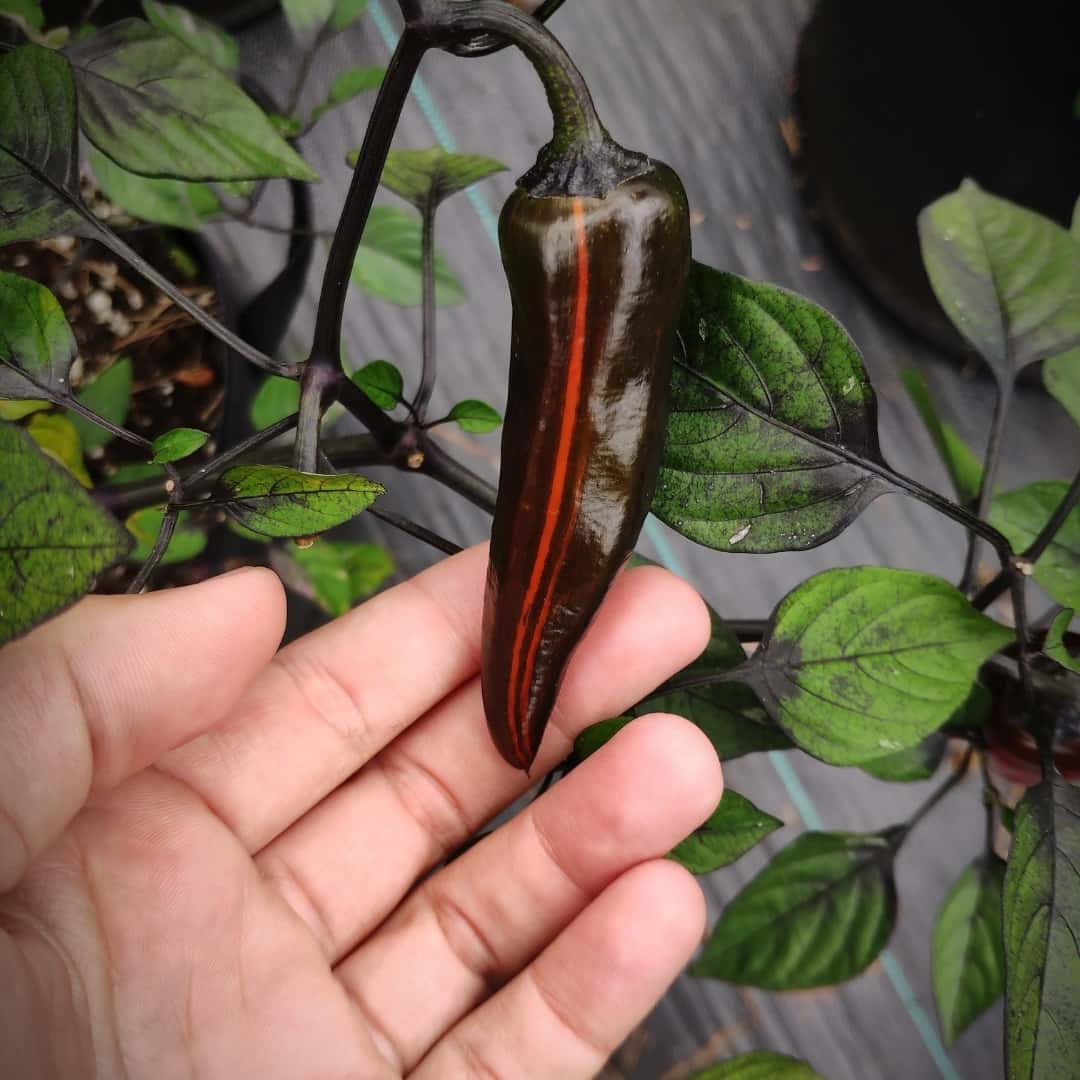
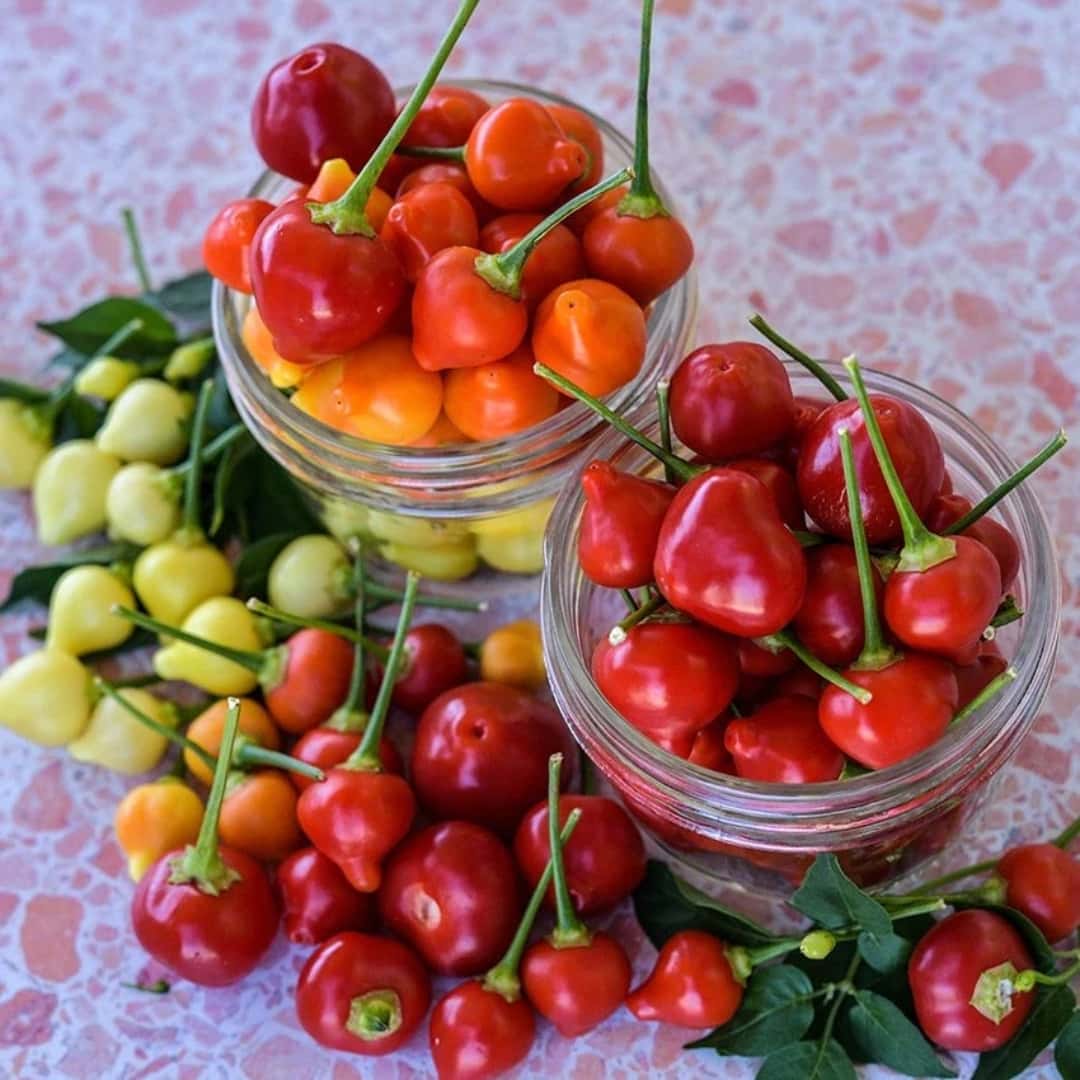
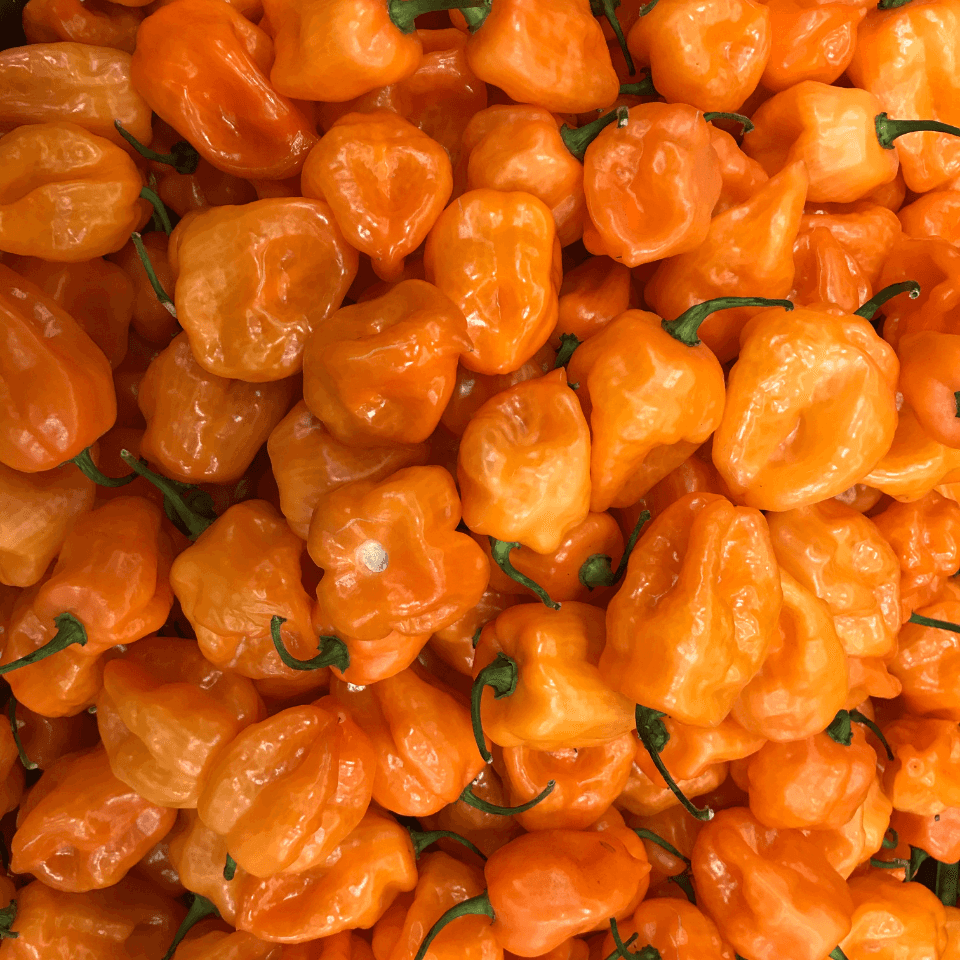
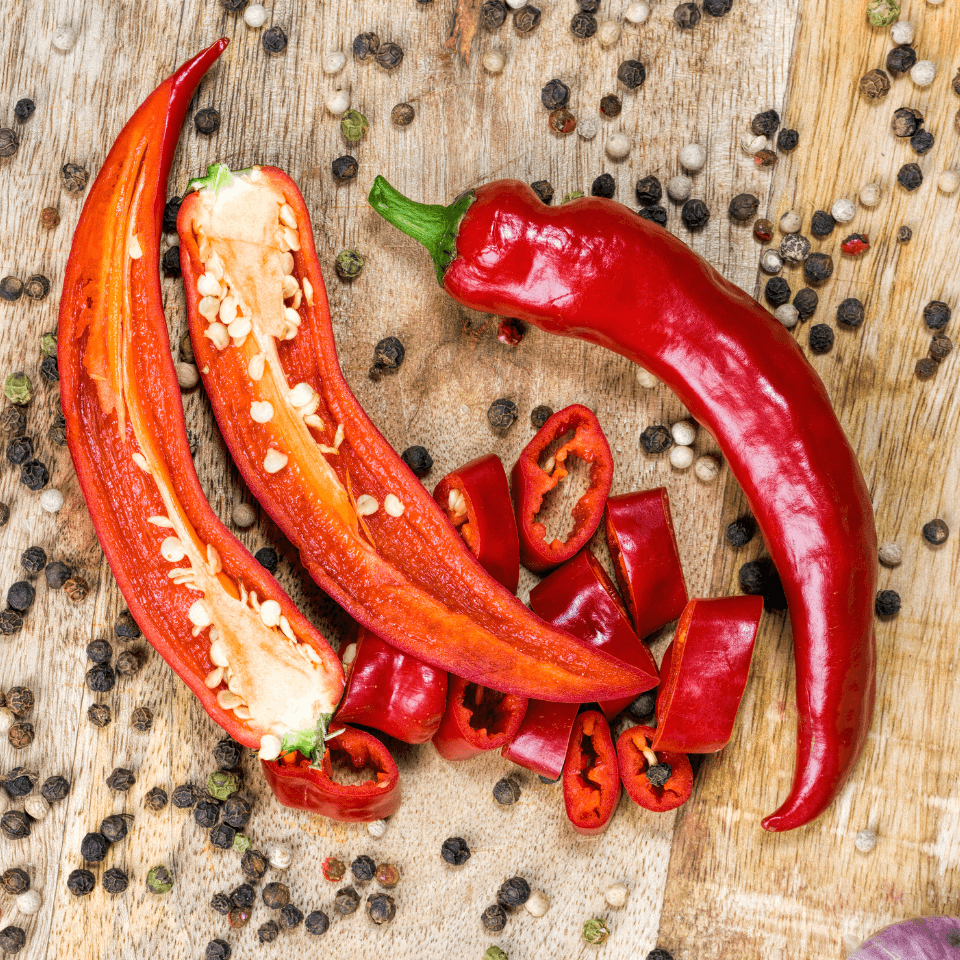
Decide in this order: what the fruit is for, how much heat you want, and how warm you can keep the seedlings.
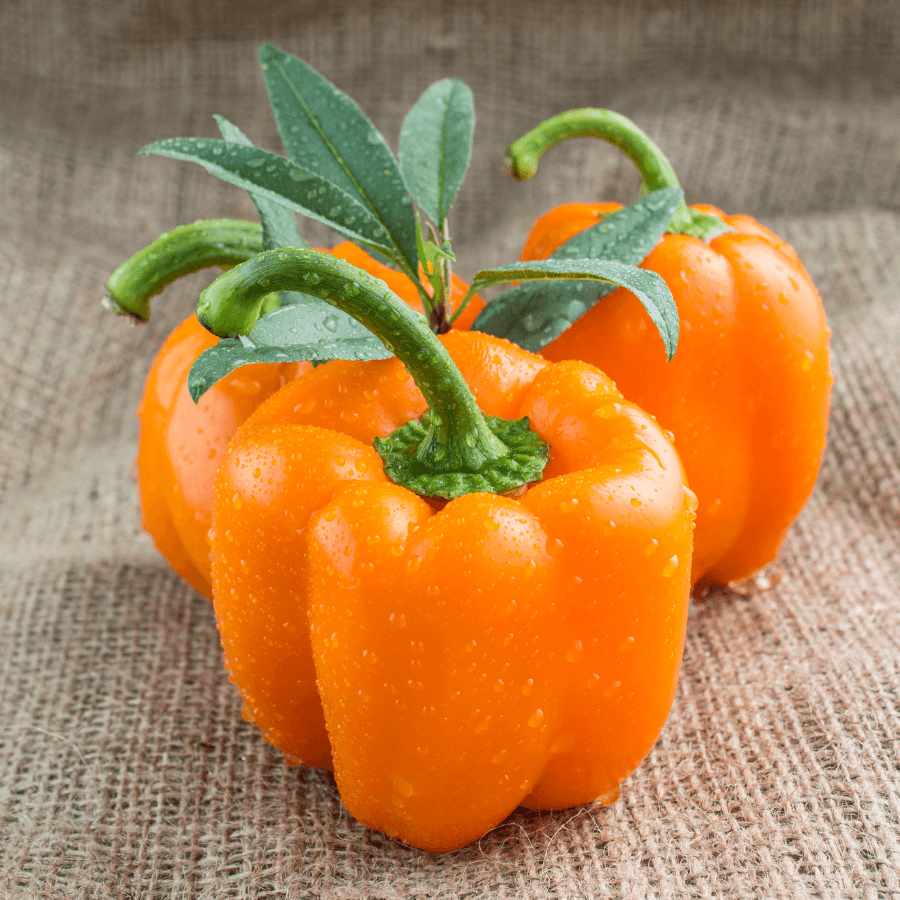
Choose these for salads, roasting and stuffing: sweet red, yellow and green, Hungarian paprika, Ramiro, Lesya and others. Heat is not the goal, so the choice is fruit colour and shape.
Choose these for fresh, pickled or stuffed chillies with a familiar flavour: Giant, Mammoth, Conchos, Casablanca, Telica, Azabache, NuMex Lemon, Yellow Jumbo and a standard jalapeño. Compare them by fruit colour at harvest and plant size.
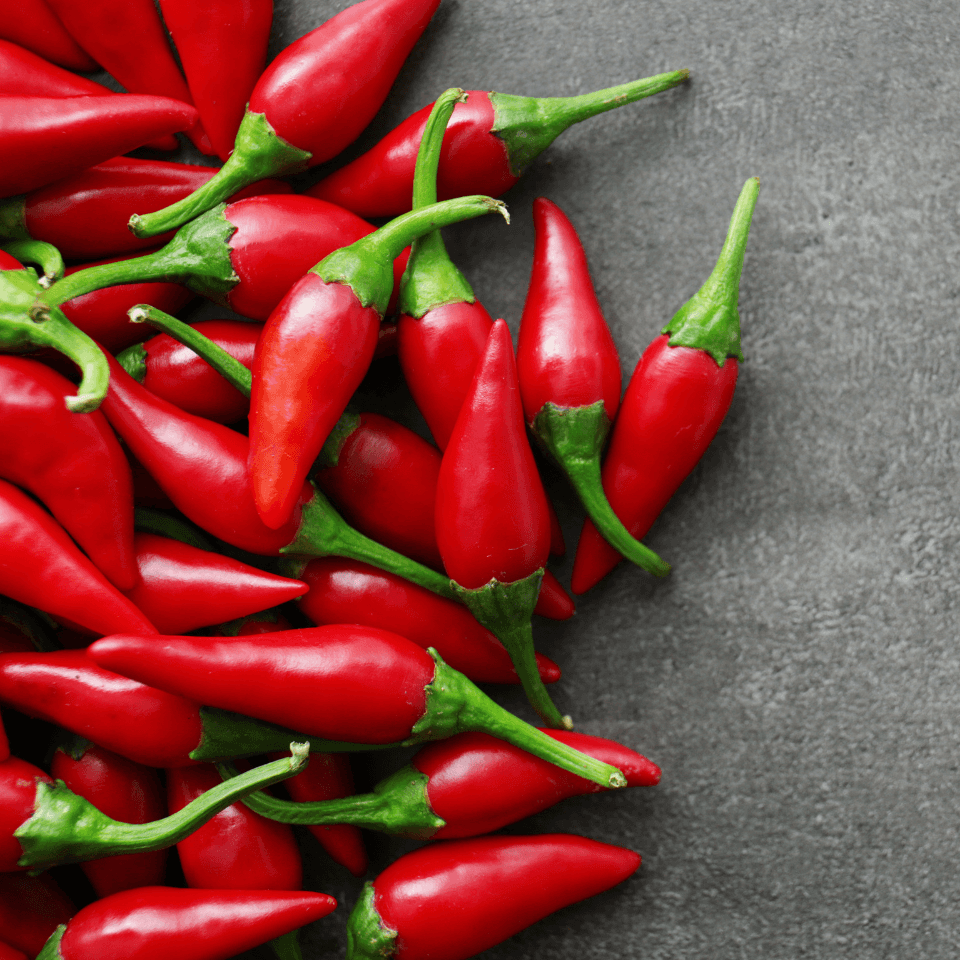
Choose these when heat is the point: Habanero red, orange, golden and purple, 7 Pot white and Congo giant, Trinidad Douglah and Perfume, Fatalii white, Blood Ghost. Treat them as the slowest group to germinate and keep them warm; wear gloves when handling ripe fruit.
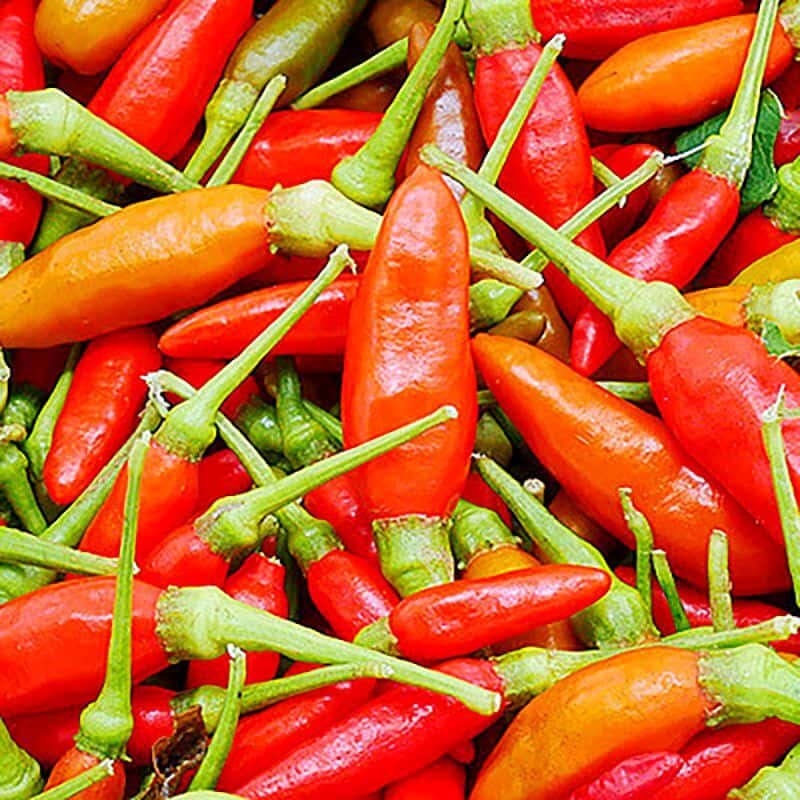
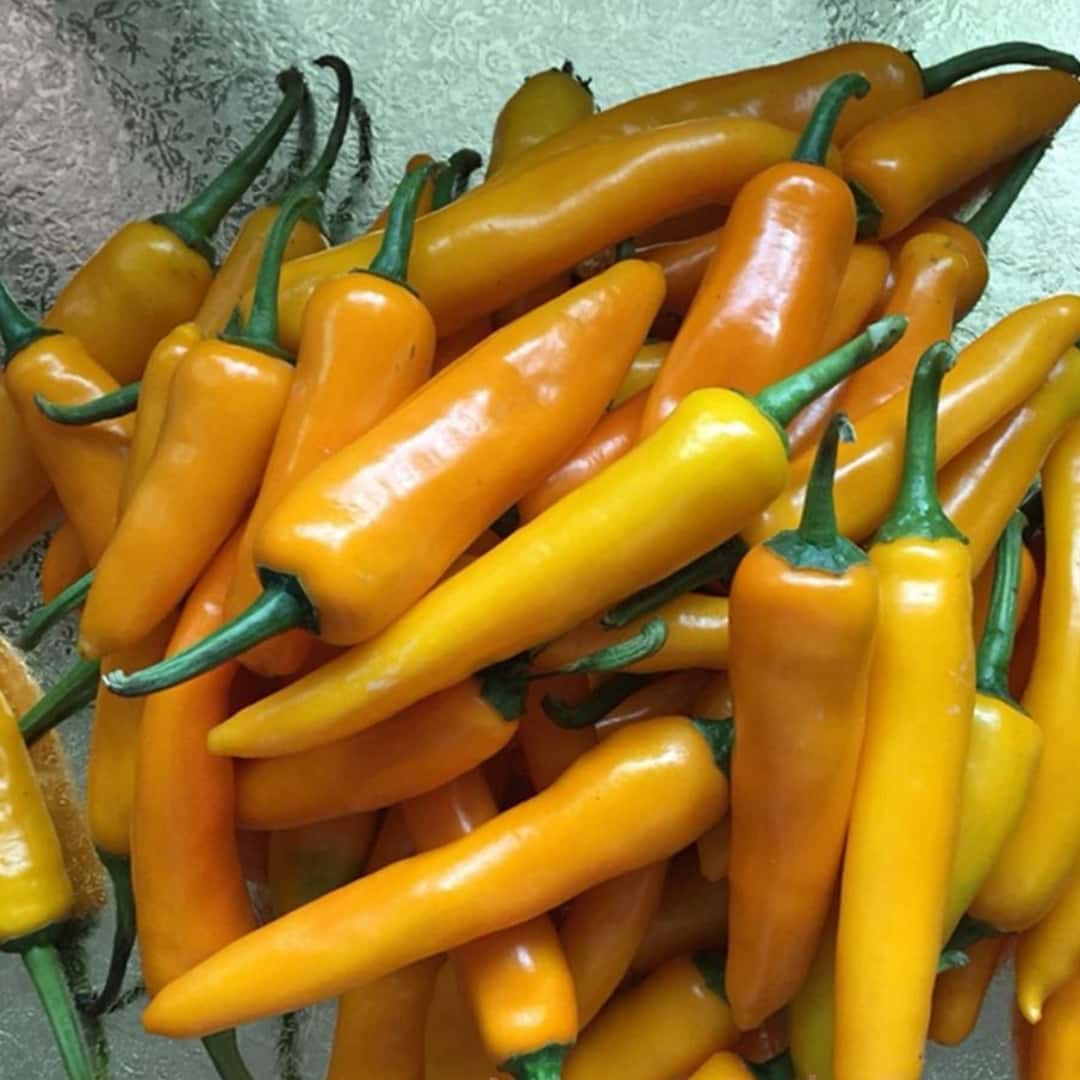
Choose these for small teardrop-shaped peppers in different colours: Amarelo, Salmon, Black, White and De Bico. Compare them by colour.
Choose these for aji-type chillies: Amarillo, Pineapple, Rain Forest, White Fantasy, Sugar Rush Peach and Sugar Rush Cream, plus Spicy Bell (Bishop's crown). Each page states what the seller has documented about the variety.
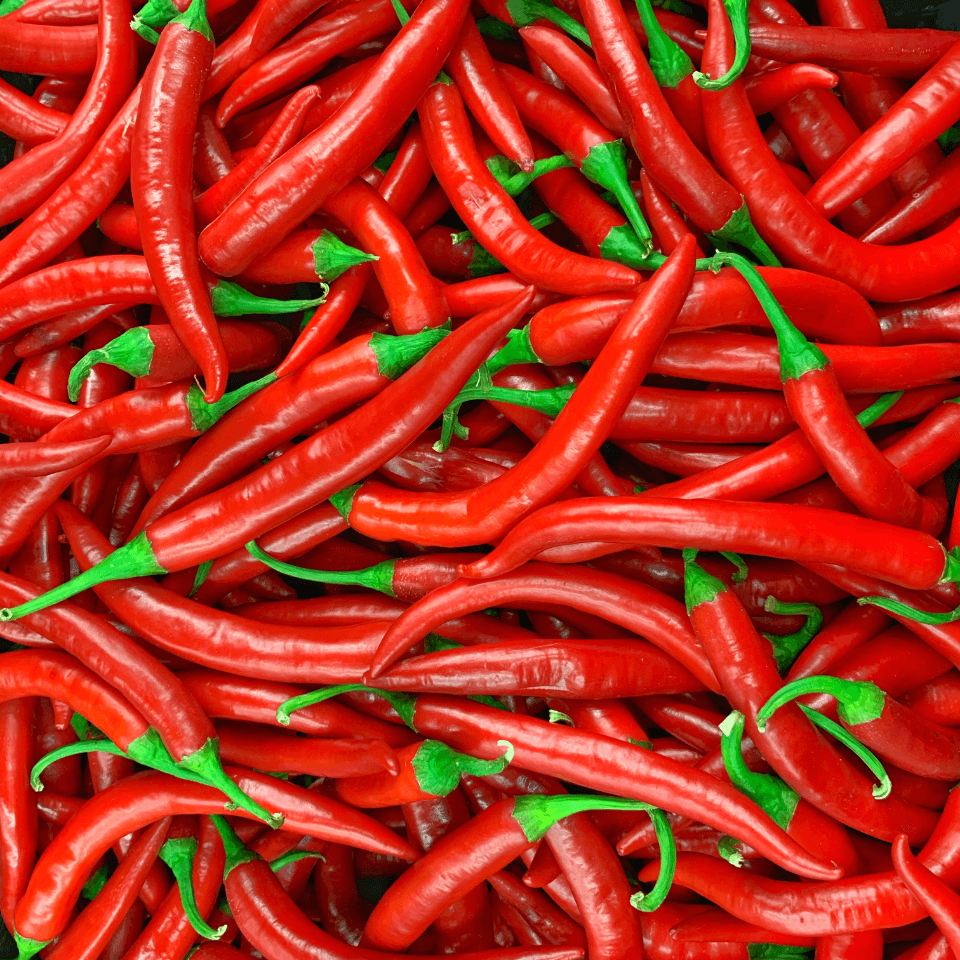
Choose cayenne red or gold, Thai dragon, Long Green, Yellow chili, Surajmukhi, Tsitsak, Shishito, Serrano, Poblano and Fish pepper for cooking-first varieties. Compare by fruit use and colour.
Kew states that Capsicum annuum includes both sweet and chilli forms. Use the variety name on the product page and do not assume every pepper in a group has the same heat.
Oregon State University Extension lists pepper seedlings appearing in about 8 to 9 days at 25 to 35 °C, about 12 days at 20 °C and about 25 days at 15 °C. Superhot and habanero-type peppers are usually described as slower, so give them the warm end of that range; a variety-by-variety timing table is not yet part of these pages.
Many peppers change colour as they ripen, so a green, yellow or red fruit may be one stage of the same plant. Follow the variety name and the product photo, not colour alone.
Peppers are warm-season plants usually started indoors as seedlings and moved out after the soil has warmed.
Oregon State University Extension gives 18 to 35 °C as the optimum soil range for pepper germination. Below that range seedlings appear much later.
Cover seed with about 6 mm (a quarter inch) of fine mix and keep it evenly moist.
Move emerged seedlings into bright light with some airflow so they stay compact.
Set seedlings out only after frost risk has passed and the soil is warm, and harden them off gradually. Local timing matters more than a calendar date.
Do not discard the tray yet. Check the cause in this order.
Oregon State University Extension's figures show pepper emergence roughly doubling from about 12 days at 20 °C to about 25 days at 15 °C. A cool tray is the most common reason for a slow start; move it to 25 to 30 °C.
The mix should be evenly damp, not wet and not dry. A clear cover helps hold moisture without sealing the tray.
Seed buried much deeper than about 6 mm may need more time to reach the surface.
Slow varieties can need longer than the average figures above. If nothing has appeared after a further week at a steady 25 to 30 °C, write to us with the variety name.
Open any variety to see its photo, packet options and growing notes.
Not necessarily. Kew states that Capsicum annuum includes both sweet bell peppers and chilli peppers, so heat alone does not establish species.
Oregon State University Extension gives an optimum soil range of 18 to 35 °C, with seedlings appearing in about 8 to 9 days at 25 to 35 °C and about 25 days at 15 °C.
Check the temperature first. A tray near 15 to 20 °C is slow. Move it to 25 to 30 °C, keep the mix evenly damp, and give it another week before writing to us with the variety name.
About 6 mm (a quarter inch) in a fine, moist seed-starting mix.
After frost danger has passed, the soil has warmed, and the seedlings have been hardened off gradually.