

About this variety
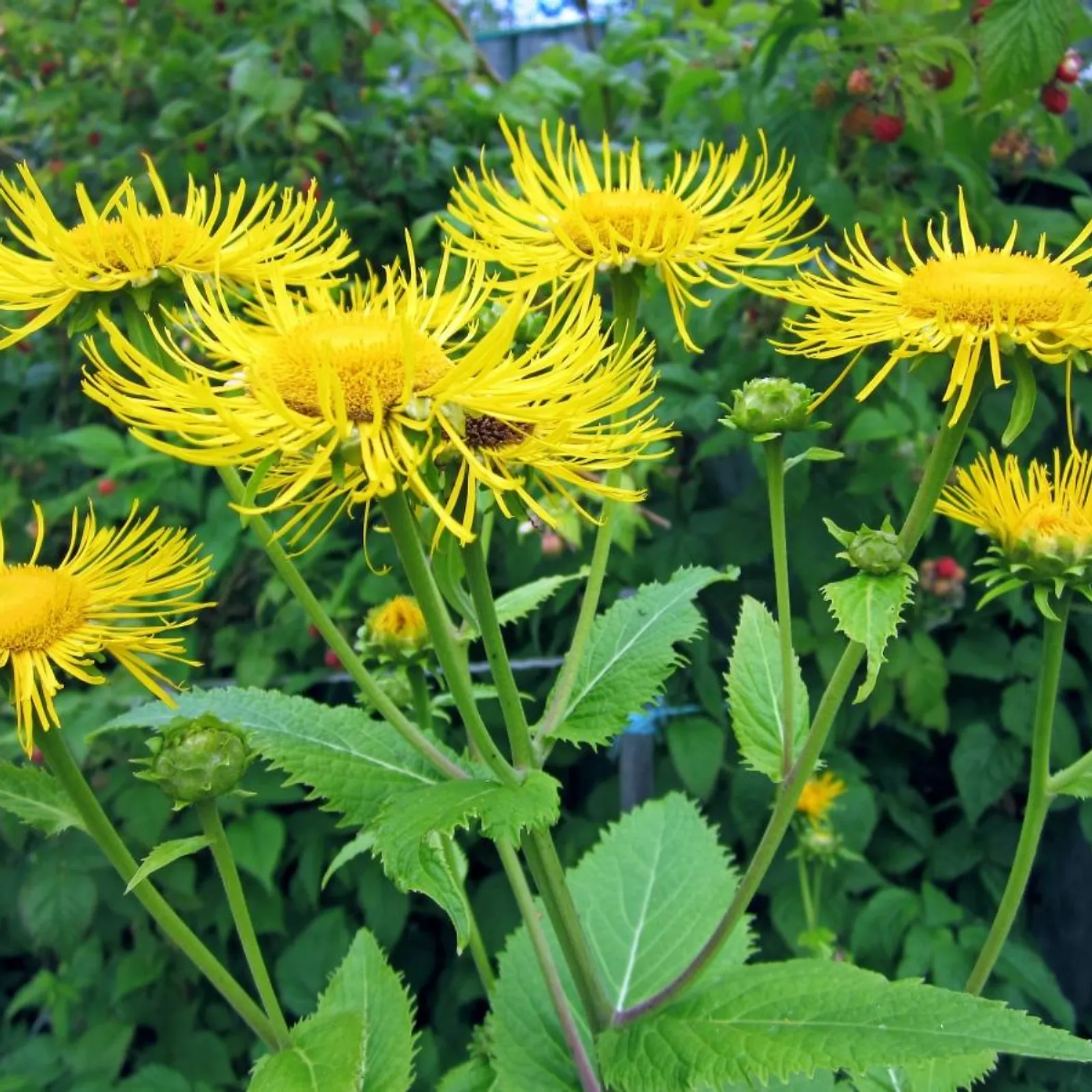
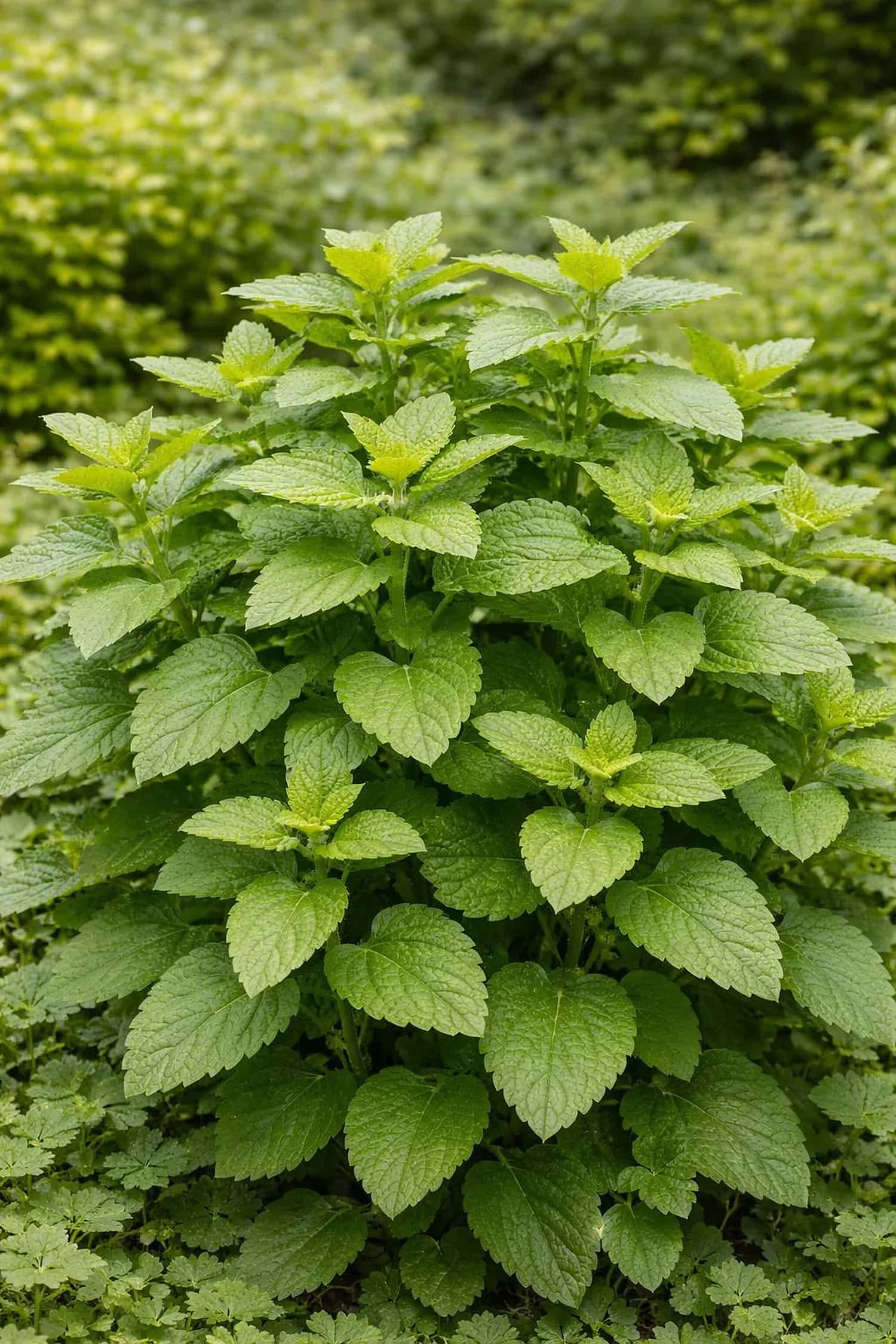
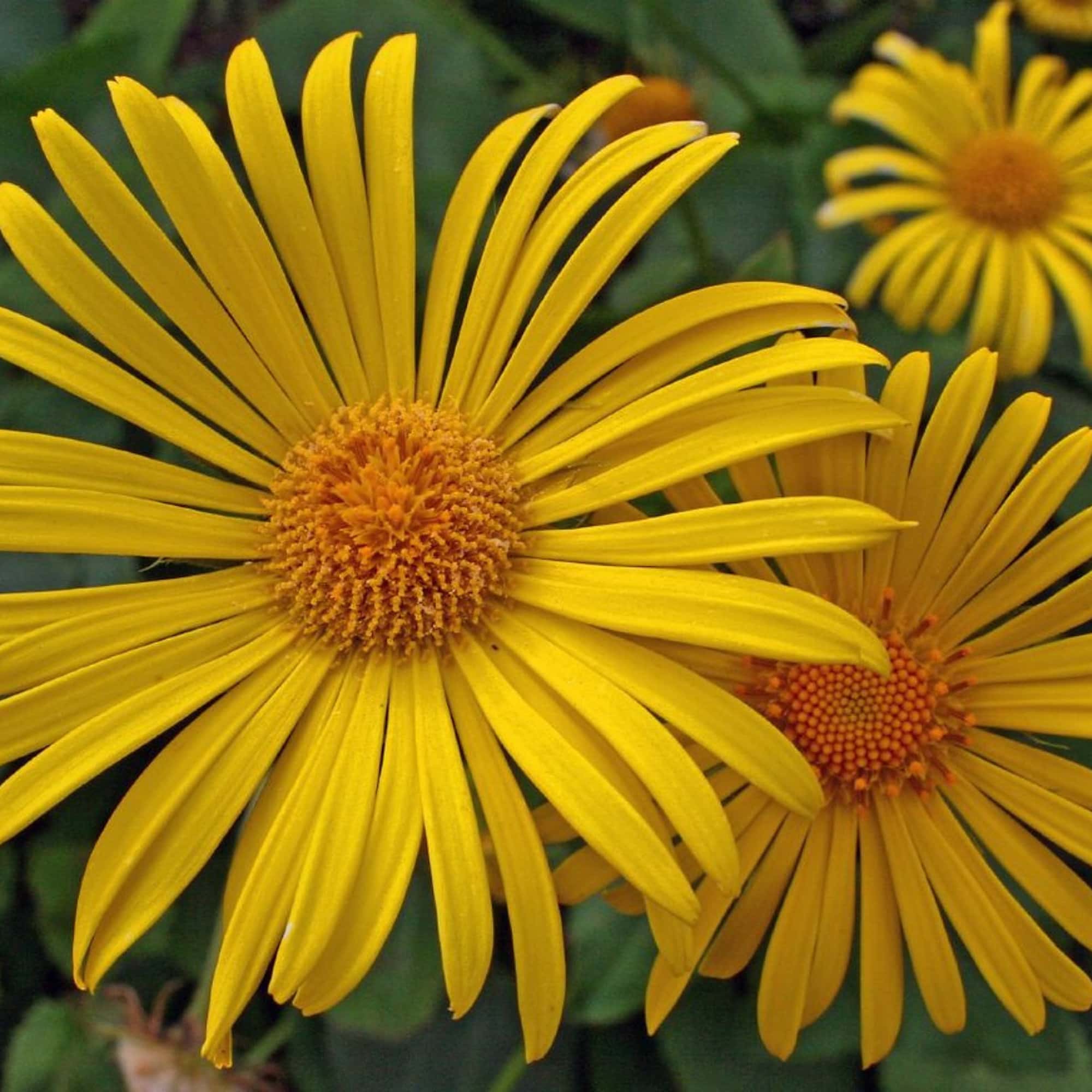
Elecampane (Inula helenium) is a tall perennial that reaches 1.5–2.5 m, with yellow daisy-like flower heads and large, toothed leaves that are whitish and woolly underneath. The RHS rates it H6, hardy through winters of –20 to –15 °C, in full sun or partial shade.
Also known as: Horse-heal, Elfdock, Elfwort, Scabwort, Echter Alant (German), Grande aunée (French), Énula campana (Spanish), Enula campana (Italian), Devyasil.
Size and site
Allow a spread of 0.5–1 m. Elecampane prefers deep, rich, moisture-retentive soil that is moist but well drained, and tolerates acid, neutral or alkaline pH. Established plants can be divided in autumn or spring.
Sowing: temperature and light
- The RHS sows seed in spring at 10 °C.
- In a laboratory study, seed germinated best at alternating 20/30 °C (16 h at 20 °C, 8 h at 30 °C) with light, and up to 90% of fruits germinated. It is a single study of its own seed, not a result for this lot.
Sowing steps
- Sow in a clean, well-drained medium.
- Keep moisture steady during germination and avoid waterlogging.
- Move seedlings gradually into stronger light.
FAQ
Should I sow at 10 °C or at 20/30 °C?
The RHS figure is a practical sowing temperature for gardeners; 20/30 °C is the laboratory optimum from one study. Both are approximate, and neither is a germination percentage for this lot.
How long does elecampane seed stay viable?
Seed kept in an unheated room stayed viable for up to seven years after harvest. Seven years is the longest period reported, not an average, and storage humidity was not given.
Local names
Læge-alant, alantrot, Elecampane inula, Horse-heal, Elfdock, Elfwort, Scabwort, Echter Alant, Grande aunée, Énula campana, Enula campana, Devyasil.
Common names of Inula helenium
All 40 names, languages and regions
Local names
| Denmark | |
|---|---|
| Danish | Læge-alant |
| Norway | |
| Norwegian Bokmål | alantrot |
| Ukraine | |
| Ukrainian | Оман високий (Oman visokyi) |
| Оман високий (Oman visokyi) | |
| United States | |
| English | Elecampane inula |
| Other places | |
| German | Echter Alant, Helenenkraut |
| French | Grande aunée, Grande aunee |
| Spanish | Énula campana, raíz del moro |
| Italian | Enula campana |
| English | Elecampane, horseheal, scabwort, velvet-dock |
| Welsh | Clafrllys Mawr, Crachlys |
| Lithuanian | Didysis debesylas |
| Dutch | Griekse alant |
| Swedish | Jättenattljus, Knärot |
| Norwegian | Knerot |
| Danish | Knærod |
| Polish | Oman wielki |
| Finnish | Pohjanhelokki, Täplähelokki |
| Estonian | aedvaak |
| Latvian | helēniju |
| Korean | moghyang |
| Czech | oman pravý |
| Chinese | tu mu xiang, 土木香 (Tǔmùxiāng) |
| Portuguese | énula-campana |
| Simplified Chinese | 土木香 (Tǔmùxiāng), 青木香 (Qīngmùxiāng) |
| Horse-heal, Elfdock, Elfwort, Scabwort, Devyasil, devjasil vysokij, elecampane, moghyang, tu mu xiang, 목향 (mokhyang) | |