

About this variety
Grow a purple-podded bush bean from this packet of 10 seeds. The accepted botanical identity is Phaseolus vulgaris, the common bean, in the legume family Fabaceae. Deodar's product record identifies this lot by its purple pod colour and bush growth habit; it does not assign a named cultivar. This keeps the offer useful and specific without borrowing traits such as exact maturity, pod length, stringlessness, yield, or disease resistance from a different variety.
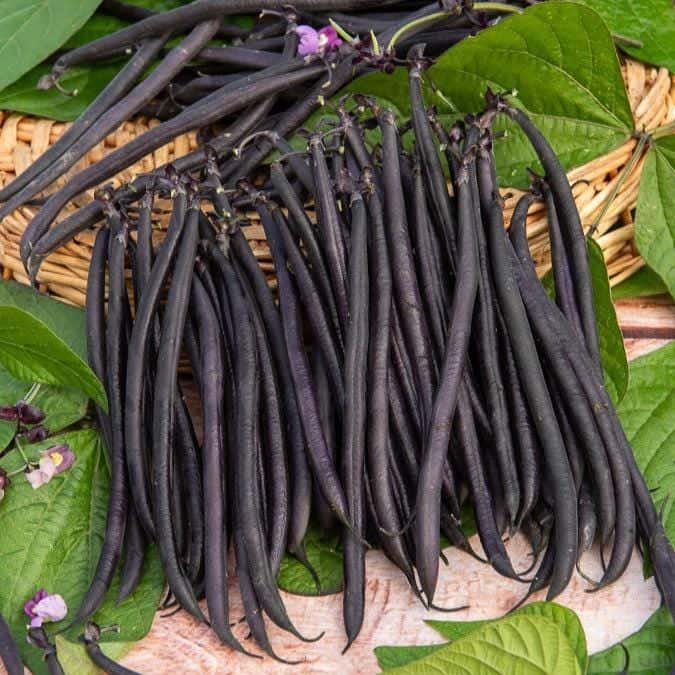
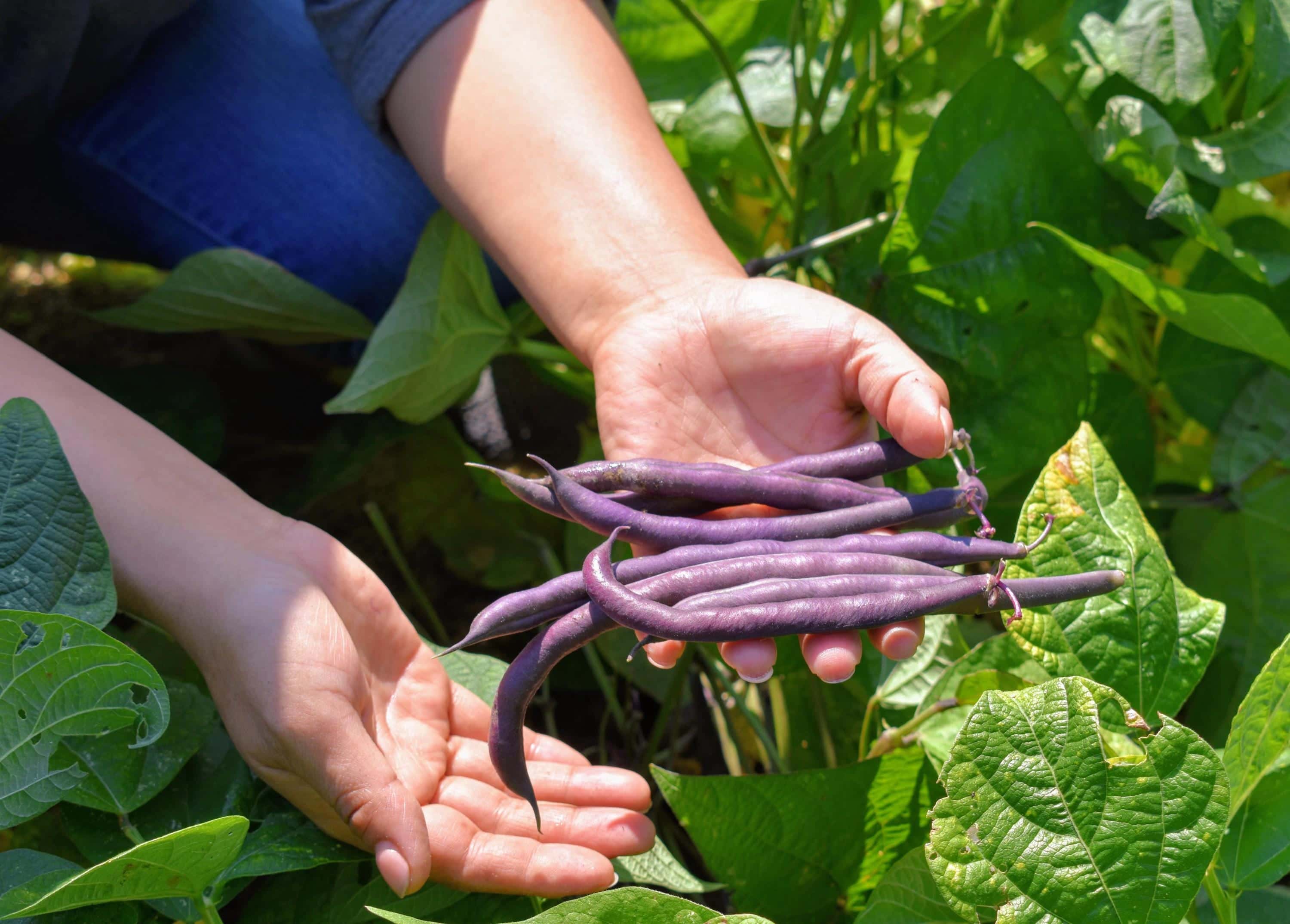
Product Overview: Common bean is an annual plant cultivated in both climbing and erect, bushy forms. Kew records that immature common-bean pods may be green, yellow, red, or purple, while the seeds also vary widely in shape and colour. This packet is intended for gardeners seeking the compact bush form with purple pods. The purple colour is a useful garden and harvest feature, but the photos are representative of the supported bush-bean type rather than proof of a particular cultivar.
- Botanical name: Phaseolus vulgaris L.
- Family: Fabaceae
- Plant type: Warm-season annual, bush growth habit
- Packet quantity: 10 seeds
- Best setting: A sunny garden bed or a container with reliable drainage
Growing from Seed
When to sow: Direct-sow once frost danger has passed and the soil is warm. Utah State University Extension describes beans as warm-weather vegetables and recommends soil and air temperatures above 60°F (about 16°C) for good germination and growth. Local frost dates matter more than a fixed calendar date, so gardeners in cool climates should wait, while warm-climate growers can choose a locally suitable frost-free planting window.
How to sow: Place seeds about 1 inch (2.5 cm) deep and 2–3 inches (5–8 cm) apart. Rows can be spaced 18–24 inches (46–61 cm) apart. For containers, use the same sowing depth, leave enough surface area for air movement, and make sure surplus water can drain freely. Beans are normally direct-sown, which avoids unnecessary root disturbance during transplanting.
Light and soil: Choose full sun and fertile, well-drained soil. A soil test is the best basis for deciding whether fertiliser is needed. Avoid keeping the root zone waterlogged. Utah State University Extension recommends regular moisture through growth, with moisture especially important during flowering and pod sizing. Mulch can help slow moisture loss and suppress weeds without covering the young stems.
Support and care: Bush beans generally do not require the tall trellis used for pole beans. Keep weeds from competing with emerging seedlings, water the soil rather than repeatedly wetting foliage, and check plants regularly as flowers and pods develop. A short stake can still be useful in an exposed or windy position, but it is not the same as building a climbing-bean structure.
Harvest: If using the crop as a snap bean, pick pods while they are developed but before the seeds inside become strongly swollen. Regular picking can keep the plants manageable and helps gardeners notice pod quality promptly. If pods are being grown to maturity for seed, allow them to dry according to local conditions and keep harvested seed clearly labelled. Because this lot has no verified cultivar name, use the observed plants and pods—not another variety's maturity schedule—to judge the harvest stage.
What You Receive: One packet containing 10 Purple Bush Bean seeds. The packet name describes a purple-podded bush type of Phaseolus vulgaris; it does not represent Royal Burgundy or any other named cultivar.
Frequently Asked Questions
Do bush beans need a trellis?
Most bush beans grow without a trellis. Utah State University Extension distinguishes them from pole beans, which are climbing types normally grown on support. In a windy garden, a small stake or low support can still help protect plants.
Can I sow these seeds before the last frost?
Beans are sensitive warm-season plants. Wait until local frost danger has passed and the soil is above 60°F (about 16°C); cold, wet soil can delay emergence and increase the chance of seed failure.
How much sun do common beans need?
Use a full-sun position. Combine good light with well-drained soil and consistent moisture, especially once flowering and pod development begin.