

About this variety
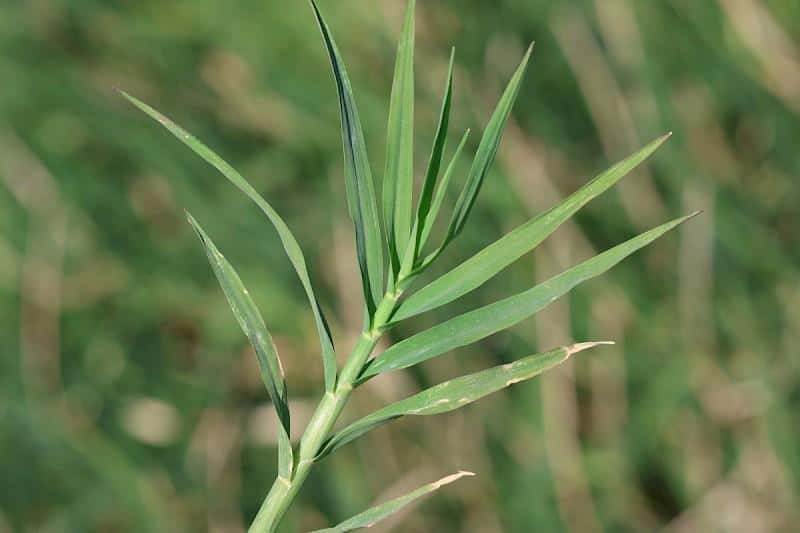
Product Overview: Establish Common Bermuda Grass from this packet of 1,000 seeds. The accepted botanical identity is Cynodon dactylon, a perennial grass in the Poaceae family. It is a warm-season, mat-forming species with narrow leaves, creeping above-ground stolons, below-ground rhizomes, and distinctive finger-like flower branches. This packet is common, seed-grown Bermuda grass; no hybrid or named turf cultivar is claimed.
- Botanical name: Cynodon dactylon (L.) Pers.
- Family: Poaceae
- Plant type: Warm-season perennial grass
- Growth habit: Mat-forming, spreading by stolons and rhizomes
- Packet quantity: 1,000 seeds
Growing from Seed
Site selection: Choose a warm, sunny site where a spreading grass is wanted. Bermuda grass performs best in strong light; shaded growth is weaker and less dense. Use a well-drained area that can be edged and monitored, rather than sowing beside natural habitat, mixed ornamental beds, or places where creeping stems would be difficult to retrieve.
Seedbed preparation: Remove existing weeds and prepare a smooth, firm seedbed. Oklahoma State University Extension notes that close seed-to-soil contact is important for Bermuda grass establishment. Correct soil fertility from a soil test or local turf recommendation instead of using a universal fertilizer dose. Level the surface so seed and water are distributed evenly and so small seedlings are not buried by moving soil.
Sowing: Sow when the soil is thoroughly warm and there is enough growing season remaining for establishment. Oklahoma State University reports that Bermuda grass seed does not germinate until soil temperature is around 65°F (18°C) and recommends keeping seed within the top 1/4 inch (6 mm) of soil. Broadcast as evenly as practical, rake very lightly, and firm the surface without burying the fine seed deeply.
Moisture during establishment: Keep the upper seedbed consistently moist with light, measured watering while germination and early rooting take place. Avoid washing seed into piles or leaving the site waterlogged. After seedlings have rooted and begun spreading, move gradually toward deeper, less frequent watering appropriate to the soil and local climate. Weed competition can slow establishment, so remove weeds carefully without disturbing young grass.
Ongoing care: Allow the stand to develop before subjecting it to heavy traffic or close mowing. Mowing height, irrigation, and feeding depend on the intended use, climate, and soil, and no particular turf grade or performance level is promised for this common seed lot. The grass may lose green colour or become dormant during cool conditions; cold response varies by region and management.
Spread and siting: Cynodon dactylon can spread beyond the intended area through stolons, rhizomes, stem fragments, and seed. UC Statewide IPM describes it as useful turf in some settings but also as an invasive or difficult weed in others. Maintain clear edges, remove escapes promptly, and avoid moving viable fragments in soil or clippings. Before sowing, check current local plant guidance or restrictions, because its status and appropriate use vary by jurisdiction.
What You Receive: One labelled packet containing 1,000 Common Bermuda Grass seeds. This product contains seed only, not sod, plugs, or sprigs. Establishment rate, coverage, colour, winter response, and final density vary with seed viability, soil temperature, light, moisture, soil preparation, competition, and care.
Frequently Asked Questions
Does Bermuda grass need warm soil?
Yes. It is a warm-season grass, and Oklahoma State University reports that seed germination begins when soil temperatures reach approximately 65°F (18°C). Use soil warmth and the length of the remaining growing season rather than a universal calendar date.
How deeply should the seed be covered?
Keep the fine seed within the upper 1/4 inch (6 mm) of a firm seedbed. Very deep burial can make emergence more difficult, while firm seed-to-soil contact and steady surface moisture support establishment.
Why should the planting area be contained?
Bermuda grass spreads by stolons and rhizomes, and fragments can root in moist soil. Defined edges, prompt removal of escapes, and careful handling of clippings help keep it within the intended area.
Is this a named turf cultivar?
No named or hybrid cultivar is stated for this packet. It is offered as common seed-grown Cynodon dactylon, so cultivar-specific turf quality, cold tolerance, and performance claims do not apply.