

About this variety
Phaseolus vulgaris (Rajma Jammu Beans, Jammu Kidney Beans) Seeds
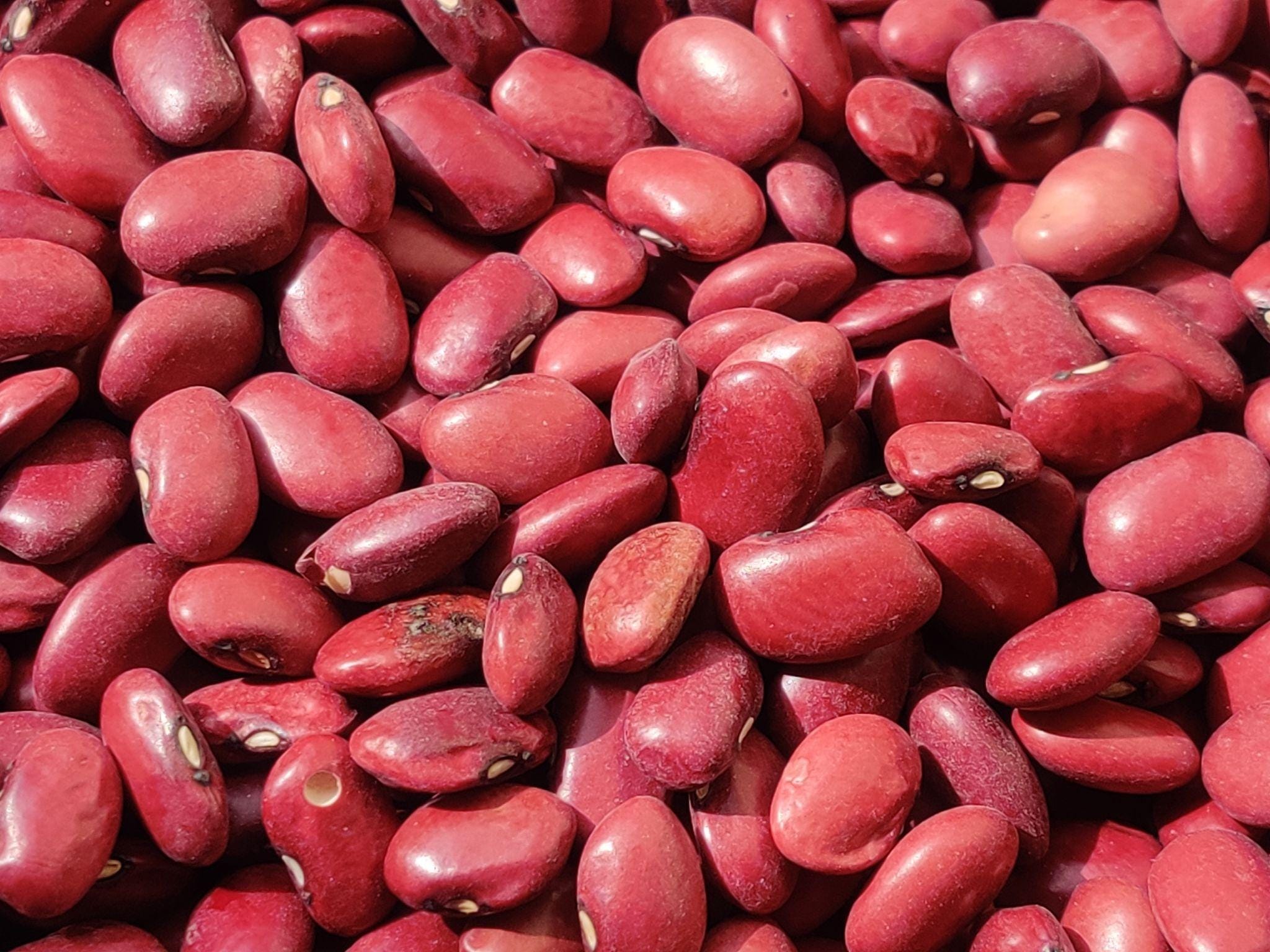
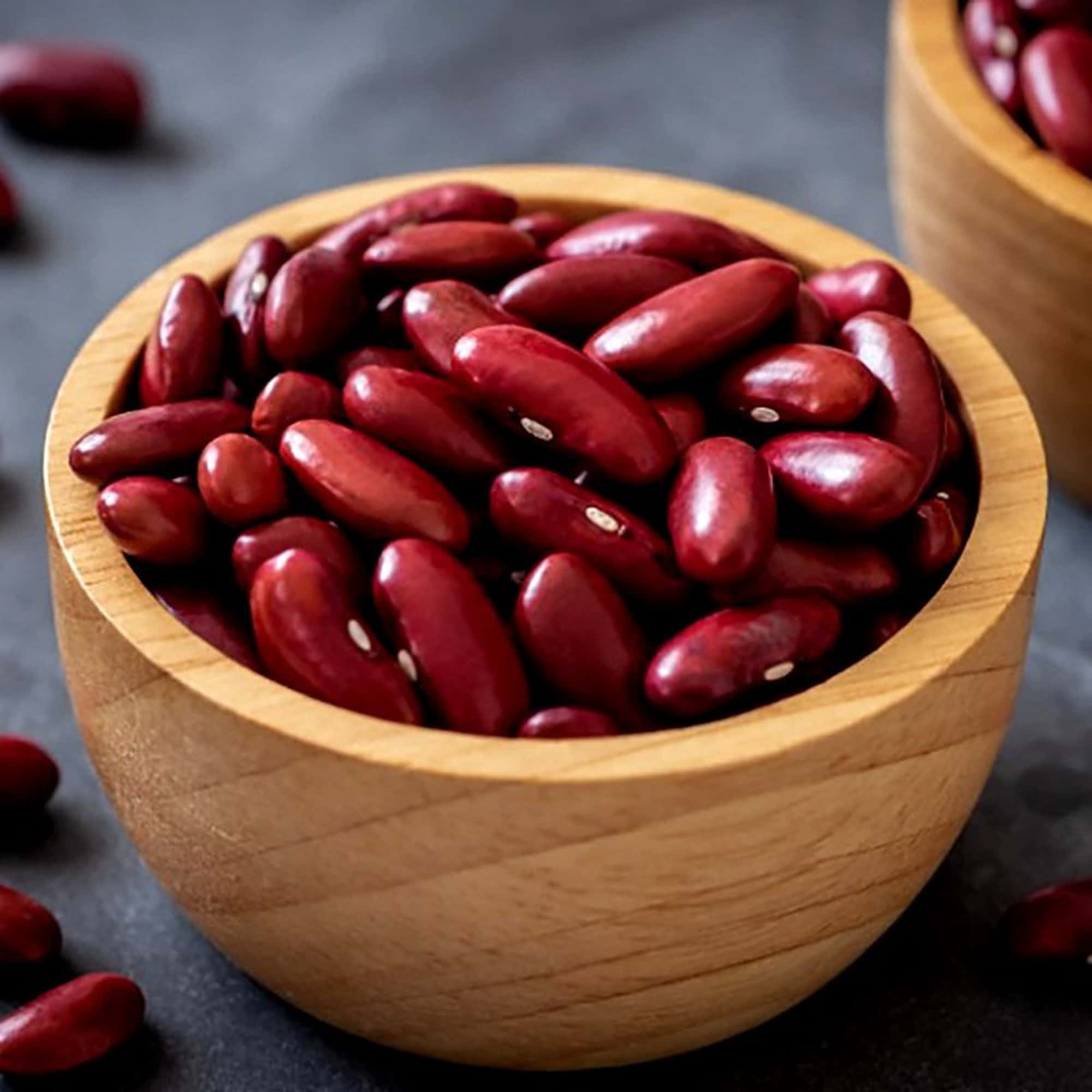
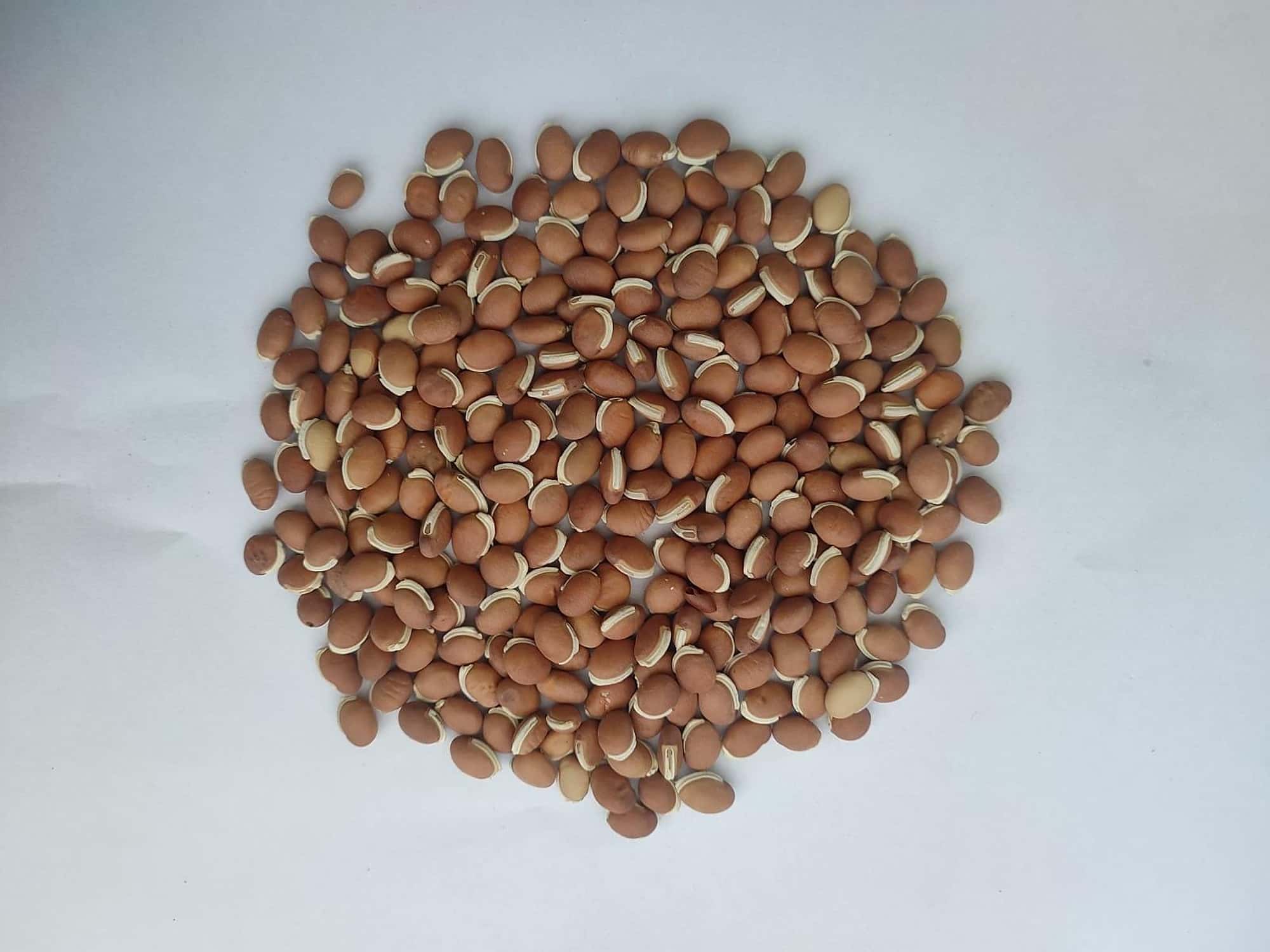
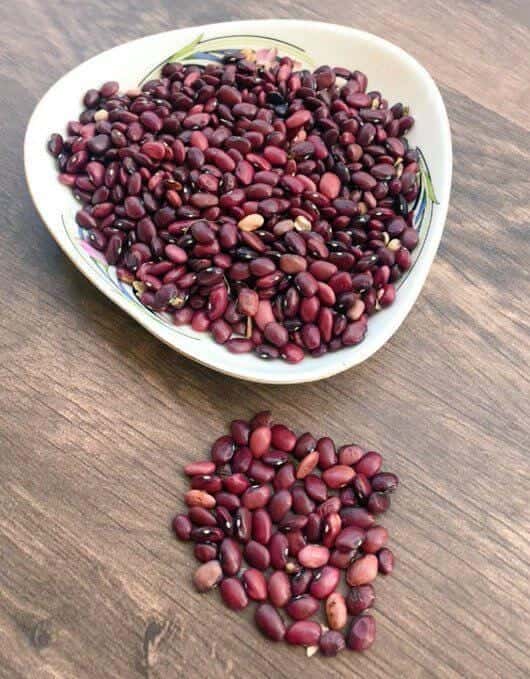
Phaseolus vulgaris, commonly known as Rajma Jammu Beans or Jammu Kidney Beans, is a premium variety of kidney beans originating from the fertile soils of the Jammu region in India. These beans are described as having a rich flavour and creamy texture. Their distinctive taste and ability to absorb spices make them a staple in North Indian dishes, particularly the iconic Rajma-Chawal.
Characteristics
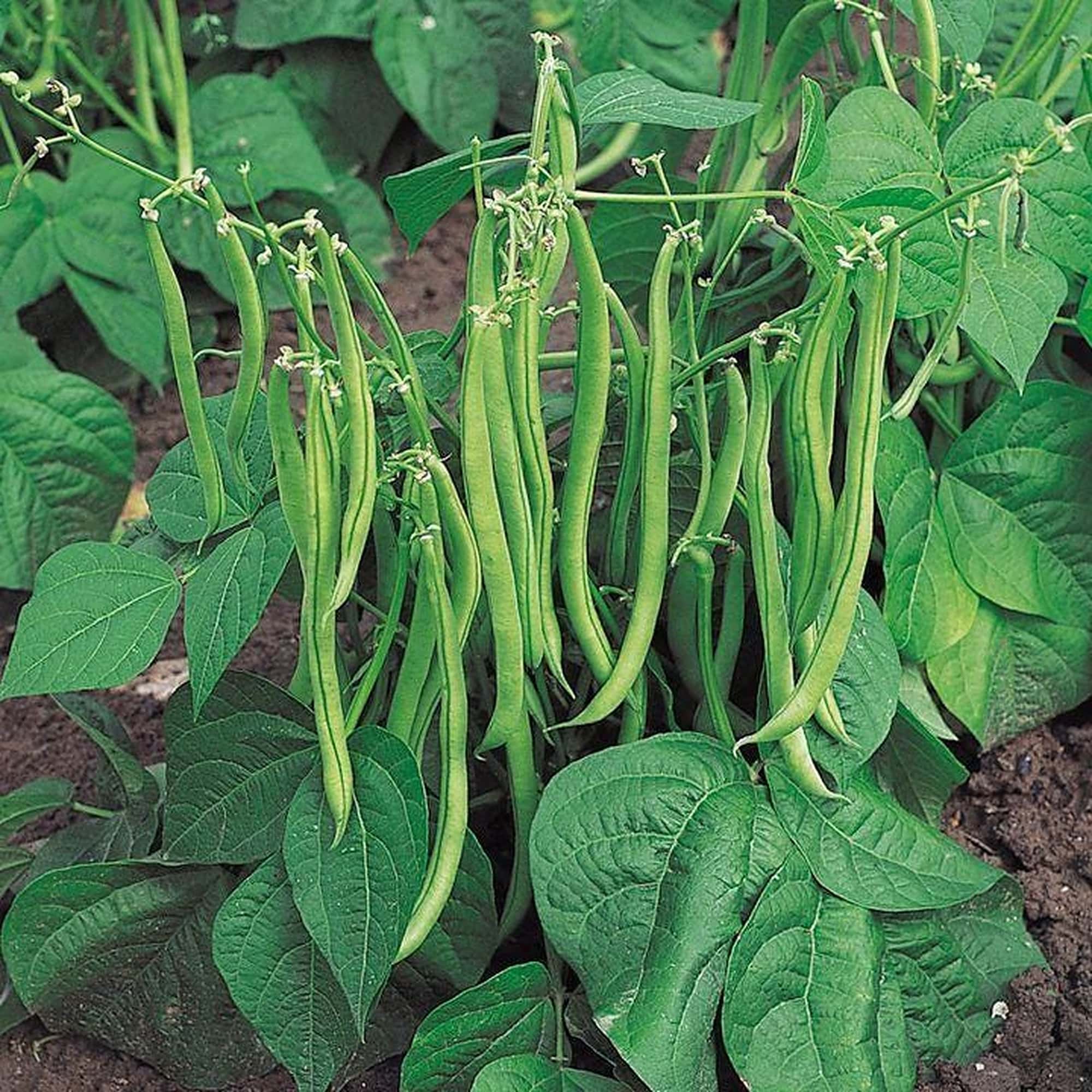
Rajma Jammu plants grow as bush or pole-type legumes, reaching heights of 40–90 cm. The plants feature trifoliate green leaves and small white flowers, which develop into pods containing smooth, medium-sized red beans. Known for their melt-in-the-mouth consistency, these beans are mildly nutty and slightly sweet, enhancing their appeal in a variety of culinary applications.
Uses and Benefits
Rajma Jammu Beans are perfect for slow-cooked curries, soups, and stews, offering a buttery texture that absorbs spices beautifully. They are ideal for Rajma Masala, a signature North Indian curry paired with rice or roti. The beans are also excellent in salads and casseroles. Harvested dry beans require appropriate preparation and thorough cooking before consumption.
Cultivation
Rajma Jammu Beans thrive in temperate to subtropical climates. They prefer fertile, well-drained soil with a pH between 6.0 and 7.5. Enrich the soil with organic compost or manure before planting. Sow seeds at a depth of 25–38 mm, spaced 15–20 cm apart in rows 30–45 cm apart. Germination takes about 6–8 days in soil at 25–30 °C. The plants require full sun and moderate watering, particularly during flowering and pod formation. Pods mature within 70–90 days and should be harvested when dry and brittle for dried beans.
Unique Features
Rajma Jammu Beans are prized for their creamy texture, rich flavor, and ease of cooking. Unlike other varieties, they cook faster and require minimal soaking. Their unique qualities are attributed to the nutrient-rich soils and climate of the Jammu region, making them a regional delicacy and an essential ingredient in North Indian cuisine.
Growing Tips
Rotate crops annually to maintain soil fertility and minimize pests. Apply mulch to retain soil moisture and suppress weeds. Regular harvesting ensures high-quality beans and encourages consistent production.
Shipping
Available for shipping within India and worldwide.
Local names
French Bean, Kidney bean, Red kidney bean, Common bean, Rajmah, Frijol rojo, Haricot rouge, Kidneybohne, Fagiolo rosso, Feijão vermelho, Fasol, (Guard-)buan.
Common names of Phaseolus vulgaris
All 44 names, languages and regions
Local names
| United Kingdom | |
|---|---|
| English | French Bean |
| United States | |
| English | Kidney bean |
| Other places | |
| Spanish | Frijol rojo |
| French | Haricot rouge |
| Portuguese | Feijão vermelho |
| English | Common Bean, Royal burgundy bean, bean, bush bean, cranberry bean, garden bean, green bean, pinto bean, pole bean, stick-bean, string bean, Common Haricot, Dwarf Bean |
| Kidney bean, Red kidney bean, Common bean, Rajmah, Kidneybohne, Fagiolo rosso, Fasol, (Guard-)buan, Baguio bean, Fasulina, Faxeu, Faxol, French bean, Niska buna, Zwëczajny bónk, cai dou, chenec, deonggulgangnamkong, edeni, frexolera, gangnamkong, ingen-mame, juldangkong, pulavaztahdung, string bean, tvlak-cate, tvlak-espokhv, tvlak’ encakhv, Шагьнал хъюрув (Shagnal khyuryuv), 덩굴강낭콩 (Deonggul gangnang kong) | |