Treatment
Many Acacia seeds have a water-resistant coat, but a few species need no treatment and may be damaged by boiling water.
Growing guide
Check the botanical name, then choose seed-coat treatment and nursery conditions for your species and seed lot.
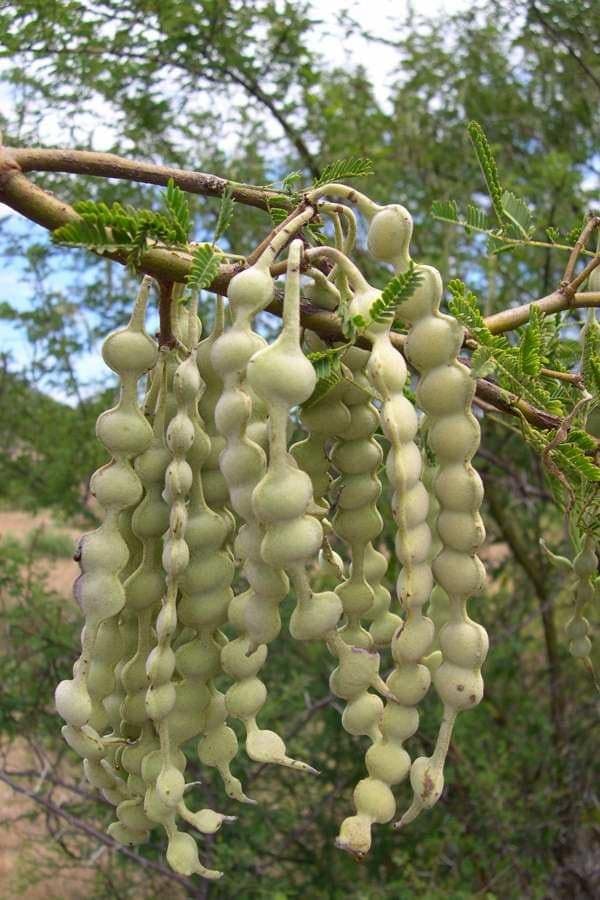
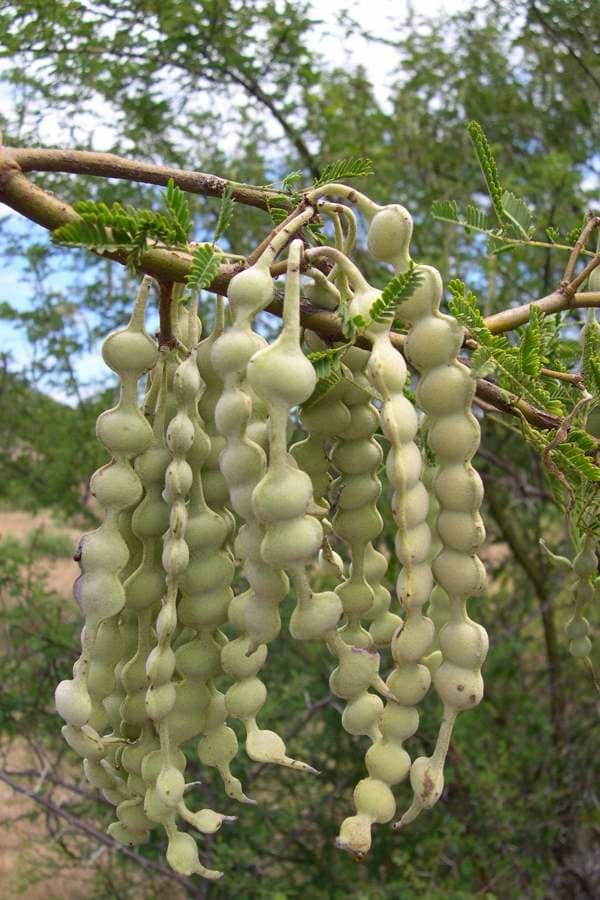
Acacia is also used as a common name for trees now placed in Vachellia and Senegalia. The Deodar product sold as Acacia Arabica is listed as Vachellia nilotica. Australian Acacia guidance should not be treated as a complete species-specific recipe for that product.
Many Acacia seeds have a water-resistant coat, but a few species need no treatment and may be damaged by boiling water.
Keep the seed-raising mix evenly moist and freely draining, never saturated.
Move established seedlings toward the light level recommended for the identified species.
Start with a small sample. FAO guidance for dry-zone acacias notes that fresh Acacia nilotica seed with a permeable coat may need no treatment. For hard seed, gentle hand abrasion can help water enter; avoid damaging the embryo. Match any heat treatment to the identified species and seed lot.
After the chosen pretreatment, swelling indicates that water has entered the seed coat.
Sow in a clean, draining propagation mix and label the species and date.
Maintain moisture without waterlogging and provide warmth appropriate to the species.
Move seedlings once they are established enough to handle without damaging the young root.
The genus is diverse. A single heat, depth or watering recipe is not reliable for every species.
Poor drainage reduces oxygen around the seed and young roots.
No. Many hard-coated species respond to scarification or hot-water treatment, but some need no treatment and may be damaged by excessive heat. Check the exact species.
Timing depends on species, seed age, pretreatment and conditions. Record the treatment and continue only while the medium remains clean and the seed is sound.