About this variety
About Manila tamarind
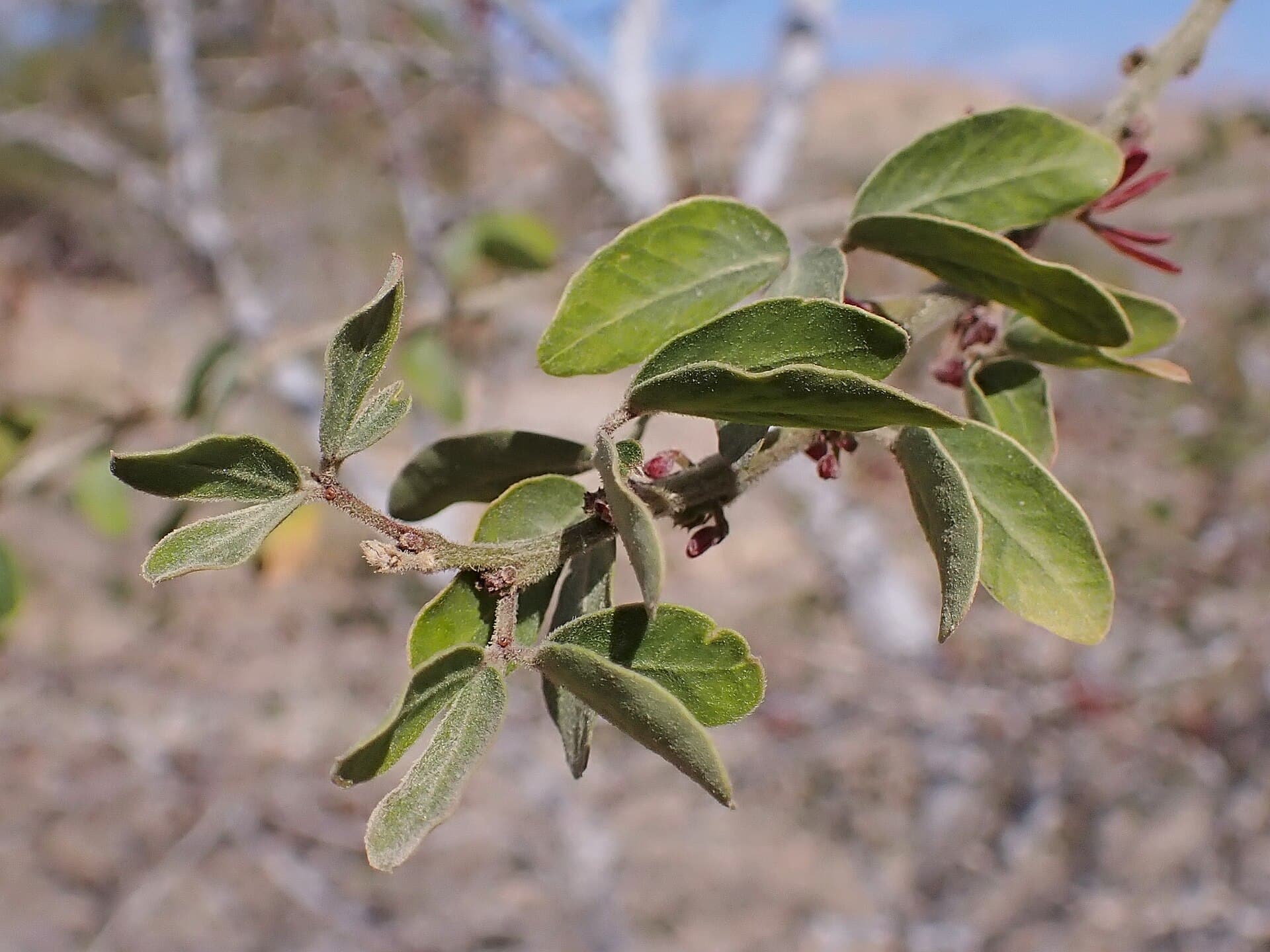
Pithecellobium dulce is an accepted species in the Fabaceae family. It is a branching tropical to subtropical tree with paired leaflets, small flower heads and curved pods. It is not closely related to true tamarind, Tamarindus indica.
Sowing guide
- Use a clean, free-draining seed mix and a container with open drainage holes.
- Lightly abrade one small part of the hard seed coat without cutting the embryo, then soak the seed in room-temperature water.
- Sow about one seed-width deep, water gently and keep warm in bright, indirect light.
- Keep the mix evenly moist but never saturated, and ventilate covered trays.
Hard-coated seeds can start at different times. Leave sound seeds undisturbed and avoid overwatering while waiting.
Growing on
Provide established seedlings with gradually stronger sun, warmth and good drainage. Pot on before roots become crowded and protect young growth from cold.
Mature plants can become thorny, spreading trees. Confirm local suitability and give outdoor specimens adequate room. Seedlings vary naturally and should not be expected to duplicate a selected fruiting parent.
Seed note: Seeds are living material. Germination speed and percentage vary with seed age, temperature, moisture and local growing conditions. Record the sowing date and treatment so later batches can be adjusted.