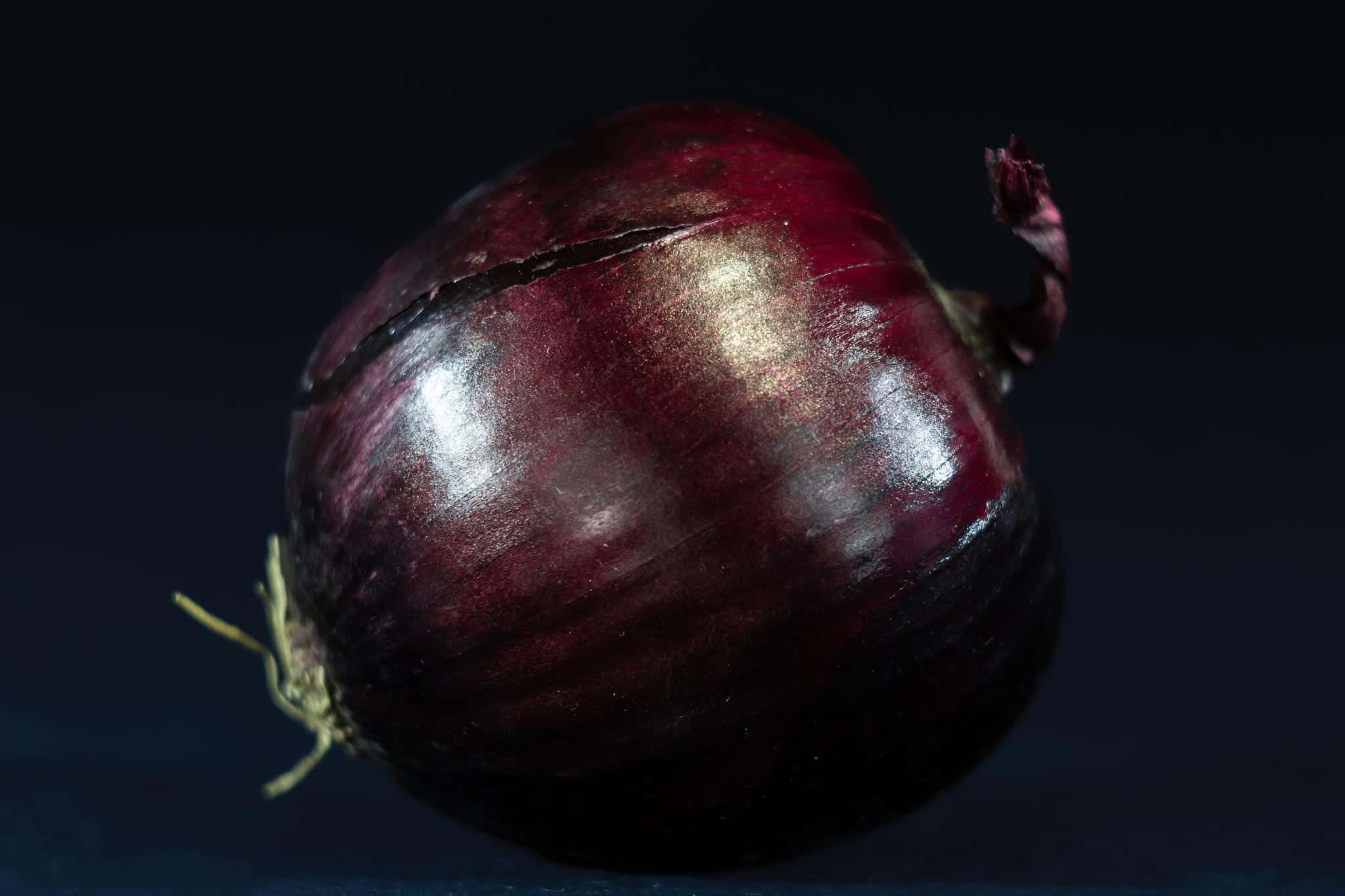


About this variety
Product Overview: Grow onions from this packet of 50 Black Onion seeds. The botanical identity is Allium cepa L., an accepted bulb-forming species in the Amaryllidaceae family. “Black” is the recorded packet descriptor and is consistent with the naturally dark seed coat visible in onion seed, but it is not evidence that the mature bulb will have black skin. No Black Spanish or other named cultivar, bulb colour, or day-length class is specified for this packet.
- Botanical name: Allium cepa L.
- Family: Amaryllidaceae
- Crop type: Bulb vegetable
- Packet quantity: 50 seeds
- Cultivar and day-length class: Not stated
Starting Onions from Seed
Indoor start: Onions can be started indoors where the outdoor growing period is too short for direct-sown plants to form useful bulbs. University of Minnesota Extension recommends beginning onion transplants about 10-12 weeks before outdoor planting. Use clean seed-starting mix, keep it evenly moist, and give the seedlings strong light after emergence.
Direct sowing: Where local conditions allow, sow into prepared garden soil as soon as the appropriate cool-season planting window begins. Extension guidance places onion seed approximately 1/4-1/2 inch (6-13 mm) deep. Cover lightly, water gently, and keep the upper soil layer from drying out while seedlings are small.
Hardening and transplanting: Seedlings raised indoors should be gradually accustomed to outdoor light, wind, and temperatures before planting in the garden. Handle the roots carefully and avoid planting so deeply that the young bulb area is buried excessively. Local frost timing and soil conditions determine the safest transplant date.
Position, Spacing, and Care
Sun and soil: Choose a position with full sun and fertile, well-drained soil. University of Minnesota Extension recommends soil with organic matter and notes that overcast conditions can delay bulb formation. Avoid low areas that remain saturated, and prepare the bed before planting so later cultivation can stay shallow.
Spacing: Thin or transplant bulb onions approximately 3-4 inches (8-10 cm) apart. Rows may be spaced about 12-18 inches (30-45 cm) apart in a conventional garden layout. Closer spacing generally limits the room available for each bulb, while overcrowding also makes weeding and watering more difficult.
Water: Onion roots are shallow, so the crop benefits from consistent moisture. Water the root zone thoroughly without leaving the soil waterlogged. Check the bed more frequently during dry or windy weather, and check containers often because they can dry faster than garden soil.
Weeding: Young onions compete poorly with weeds. Remove weeds early, but cultivate carefully because deep hoeing can damage roots and developing bulbs. A suitable clean mulch may help reduce weed pressure and moisture loss without covering the bulb necks.
Day Length and Bulb Formation
Bulb formation in onions is strongly influenced by day length. Long-day, intermediate-day, and short-day onions respond to different seasonal light patterns and are suited to different latitudes. Because this packet does not state its day-length class, no particular bulb size or regional performance is promised. Local extension advice can help a gardener understand which onion classes normally bulb in the local latitude.
Harvest and Curing
University of Minnesota Extension advises harvesting bulb onions when about half the tops have fallen and begun to dry. Lift the bulbs carefully rather than pulling hard against compacted soil. If the weather is dry, they may begin drying outdoors; otherwise move them to a protected, warm, dry, well-ventilated area.
Curing dries the outer scales and neck before storage. Remove loose soil without washing bulbs intended for curing, provide airflow, and discard damaged or decaying bulbs. Storage life depends on cultivar, maturity, curing, humidity, temperature, and bulb condition. Since the cultivar is undocumented, this listing does not claim long-storage performance.
What You Receive: One labelled packet containing 50 Black Onion seeds. This product contains seeds only, not sets, transplants, bulbs, or a documented Black Spanish cultivar.
Frequently Asked Questions
Will these onions produce black bulbs?
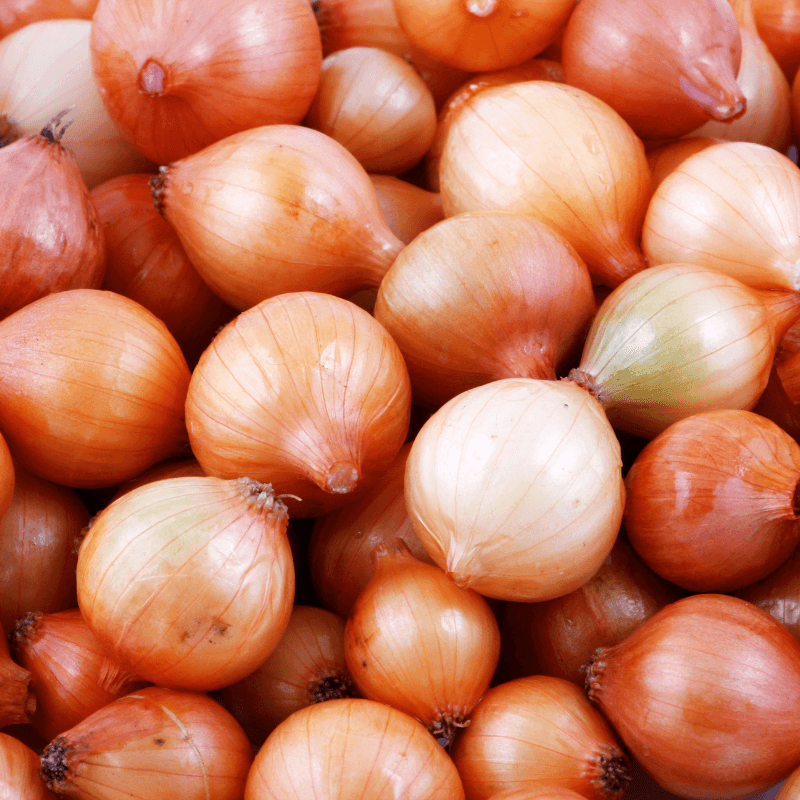
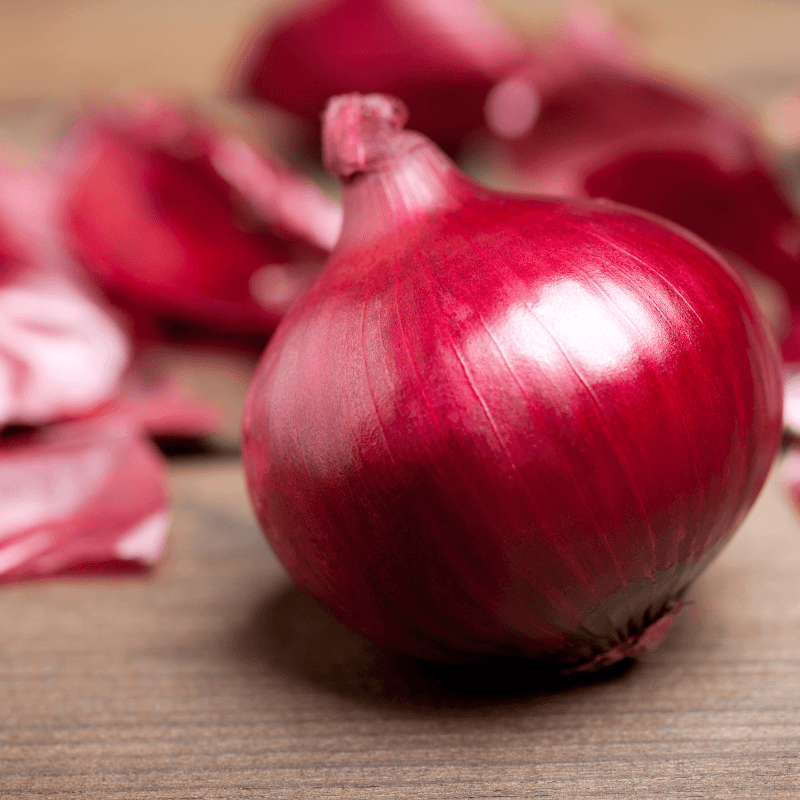
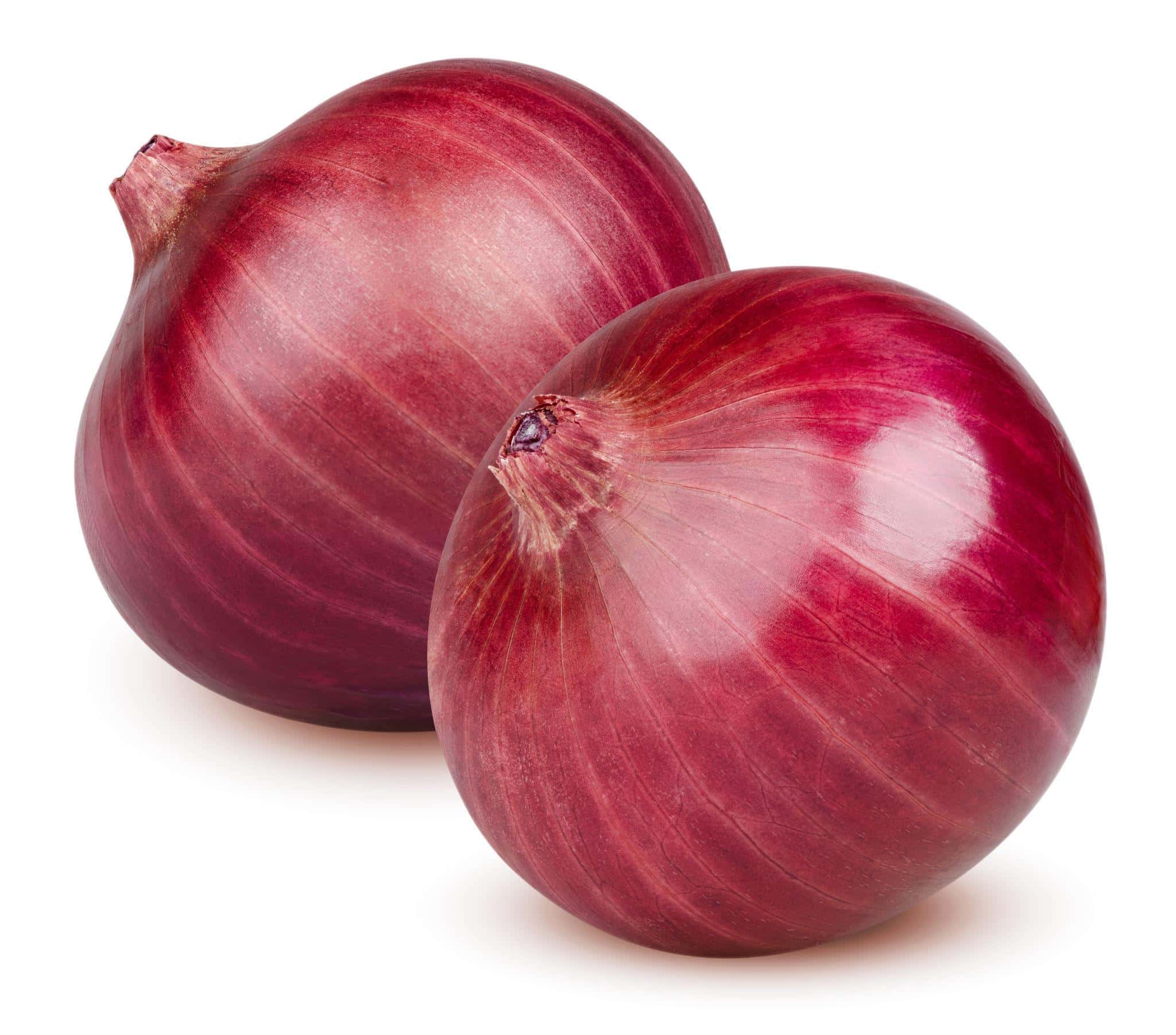
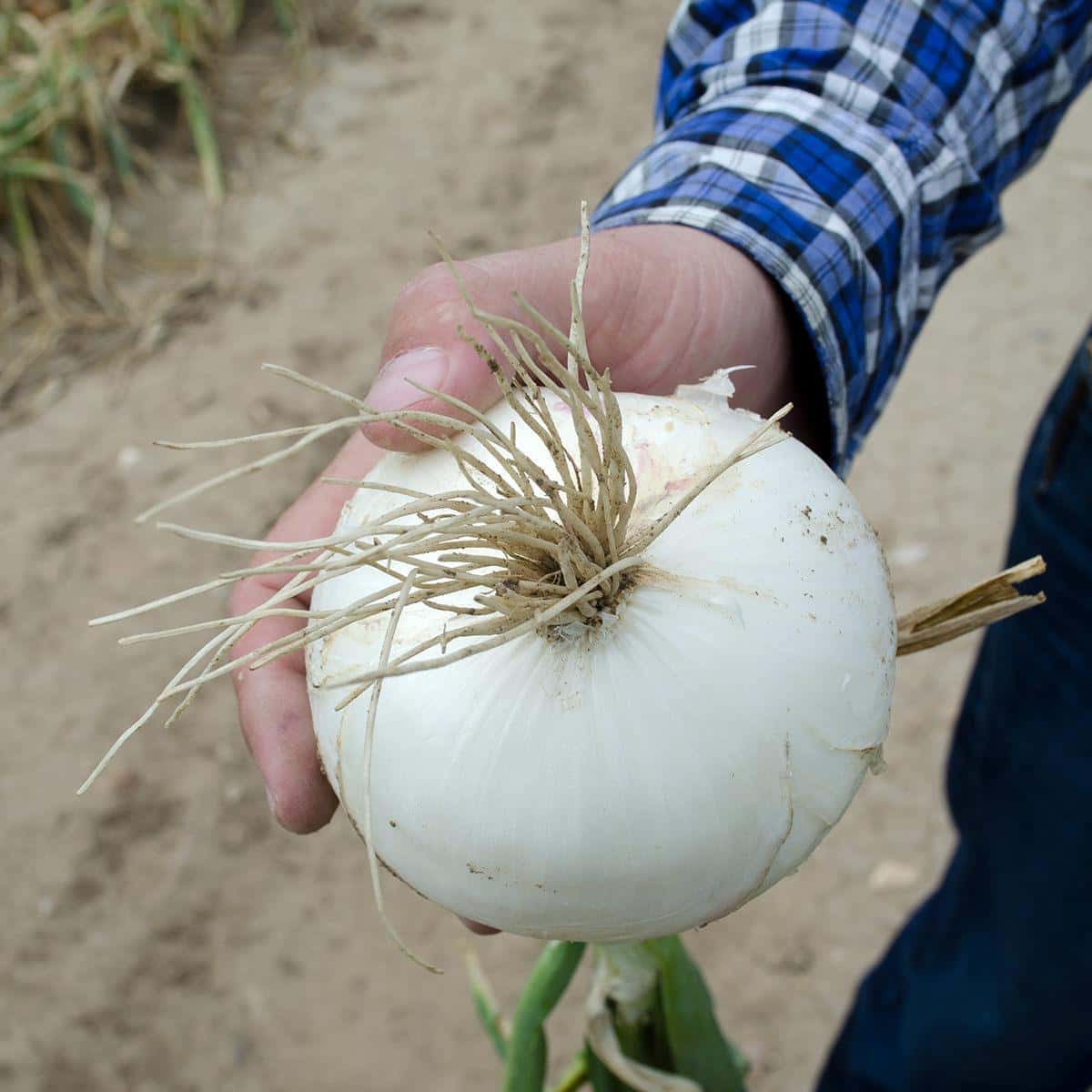
That is not documented. “Black” is the packet descriptor, while the bulb colour and named cultivar are unstated. The gallery therefore shows only taxon-level onion seeds, bulbs, and plants.
Can onions be grown from seed?
Yes. They may be started indoors for transplanting or sown directly when the local season provides enough time for growth and bulb formation.
Why does day length matter?
Onion plants begin forming bulbs in response to characteristic day lengths. A class poorly matched to the local latitude may remain small or bulb at an unsuitable time.