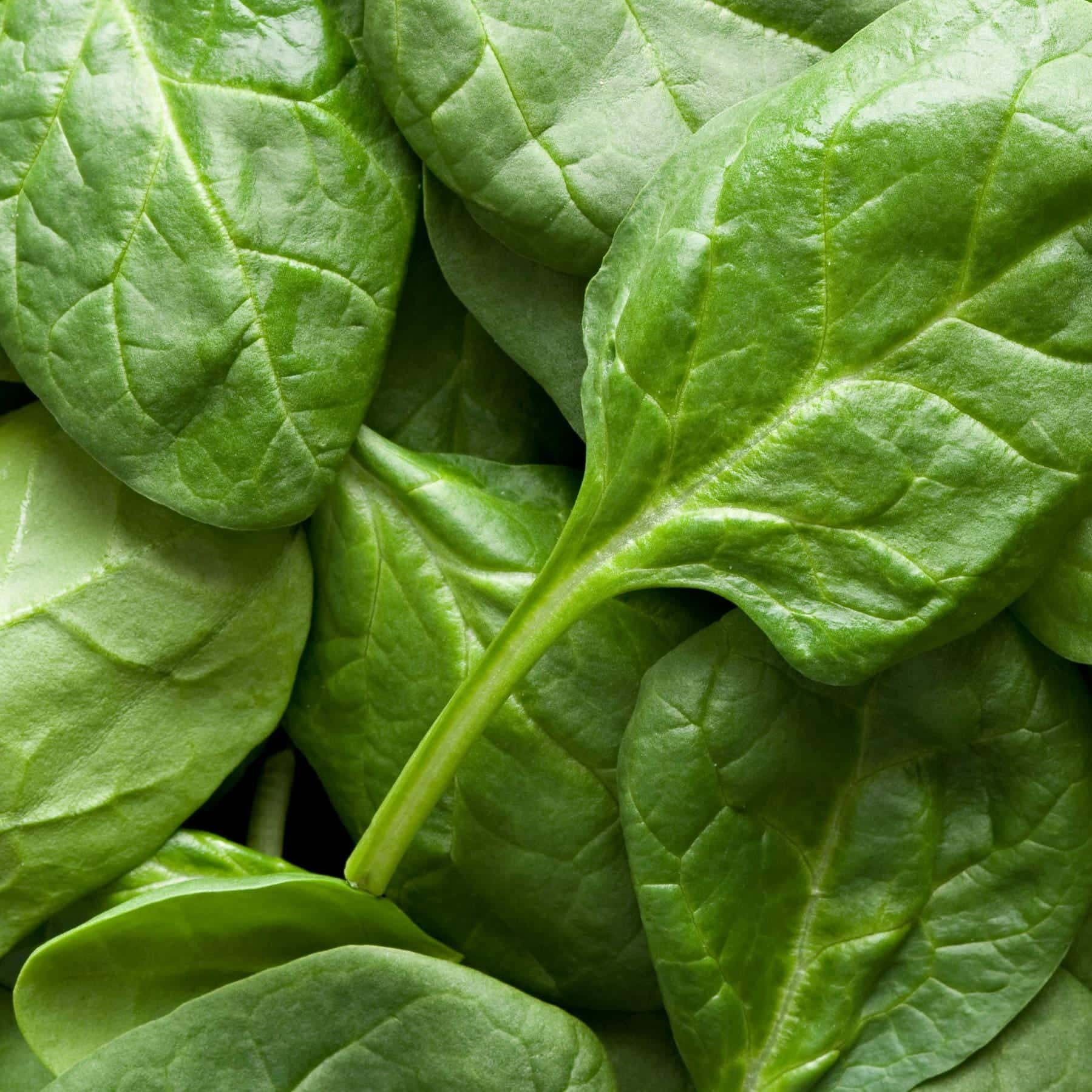


About this variety
Product Overview: Grow a cool-season leafy crop from this packet of 200 spinach seeds. The botanical species is Spinacia oleracea, an accepted member of the Amaranthaceae family. Baby leaf describes the stage at which the foliage is picked: the leaves are harvested young rather than being left to reach full size. It is a harvest approach, not a separate botanical species.
- Botanical name: Spinacia oleracea
- Plant family: Amaranthaceae
- Crop type: Cool-season leafy vegetable
- Harvest stage: Young leaves or larger leaves
- Packet quantity: 200 seeds
Growing from Seed
Site and soil: Choose a sunny or lightly shaded position with fertile, well-drained soil. Spinach needs regular moisture for steady leaf growth, so prepare the bed or container before sowing and avoid a position that dries out very quickly. Containers are suitable when they have drainage and enough soil volume to hold moisture.
Sowing depth: Utah State University Extension recommends planting spinach seeds about 1/2 inch (approximately 1.3 cm) deep. Sow evenly rather than dropping many seeds into one clump. Water gently after sowing so the seedbed is moist without being washed out.
Spacing for baby leaves: Baby-leaf growing uses a closer stand than growing plants to full size. The Royal Horticultural Society notes that thinning is not usually necessary when spinach is grown only for baby salad leaves. Check the stand as it develops, removing any badly crowded or weak patches if airflow becomes poor.
Spacing for larger leaves: If some plants will be kept for a larger-leaf crop, thin them to about 7.5 cm / 3 inches apart. Additional row space makes watering, weeding, and harvesting easier. The decision to thin can therefore be made according to the intended harvest stage.
Temperature and watering: Spinach grows best in cool conditions. Hot, dry weather and interrupted watering can encourage bolting, when a flower stem develops and leaf harvest declines. Select the coolest practical sowing window for the local climate, keep the soil consistently moist, and check containers frequently during dry weather.
Successive sowing: Rather than sowing the whole packet at once, small repeat sowings can spread the picking period. This approach also lets the gardener adjust later sowings after observing local temperature, moisture, and plant density.
Harvesting Young Leaves
Begin picking when the leaves have reached the size wanted for baby-leaf use. Take a few outer leaves from several plants instead of stripping every young plant at once. Regular selective picking can leave the central leaves to continue developing. A well-established stand may also be cut just above the base while protecting the growing point, which can allow further growth. Regrowth depends on root health, moisture, temperature, and how closely the crown was cut.
If larger leaves are preferred, leave selected plants with more space and allow them to develop further. Harvest before the plants send up a flower stalk. Leaf size and picking time will vary with season and care, so use plant development rather than a fixed calendar as the guide.
What You Receive: One labelled packet containing 200 Spinach Seeds for Baby Leaf Harvest. This product contains seeds only, not harvested leaves or seedlings.
Frequently Asked Questions
Is baby spinach a different species?
No. Baby leaf refers to harvesting Spinacia oleracea leaves while they are young. The plants can also be given more space and grown for larger leaves.
Do baby-leaf plants need full spacing?
Not usually. A closer stand is used for young-leaf harvest, while plants intended for larger leaves should be thinned to give them more room.
Can spinach be grown in a container?
Yes. Use a container with drainage, fertile growing medium, and enough volume to avoid drying rapidly. Place it in sun or light shade and monitor moisture regularly.
How should the leaves be picked?
Take young outer leaves selectively, or cut established foliage above the base while keeping the central growing point intact. Stop leaf harvest when plants begin producing a flower stalk.