

About this variety
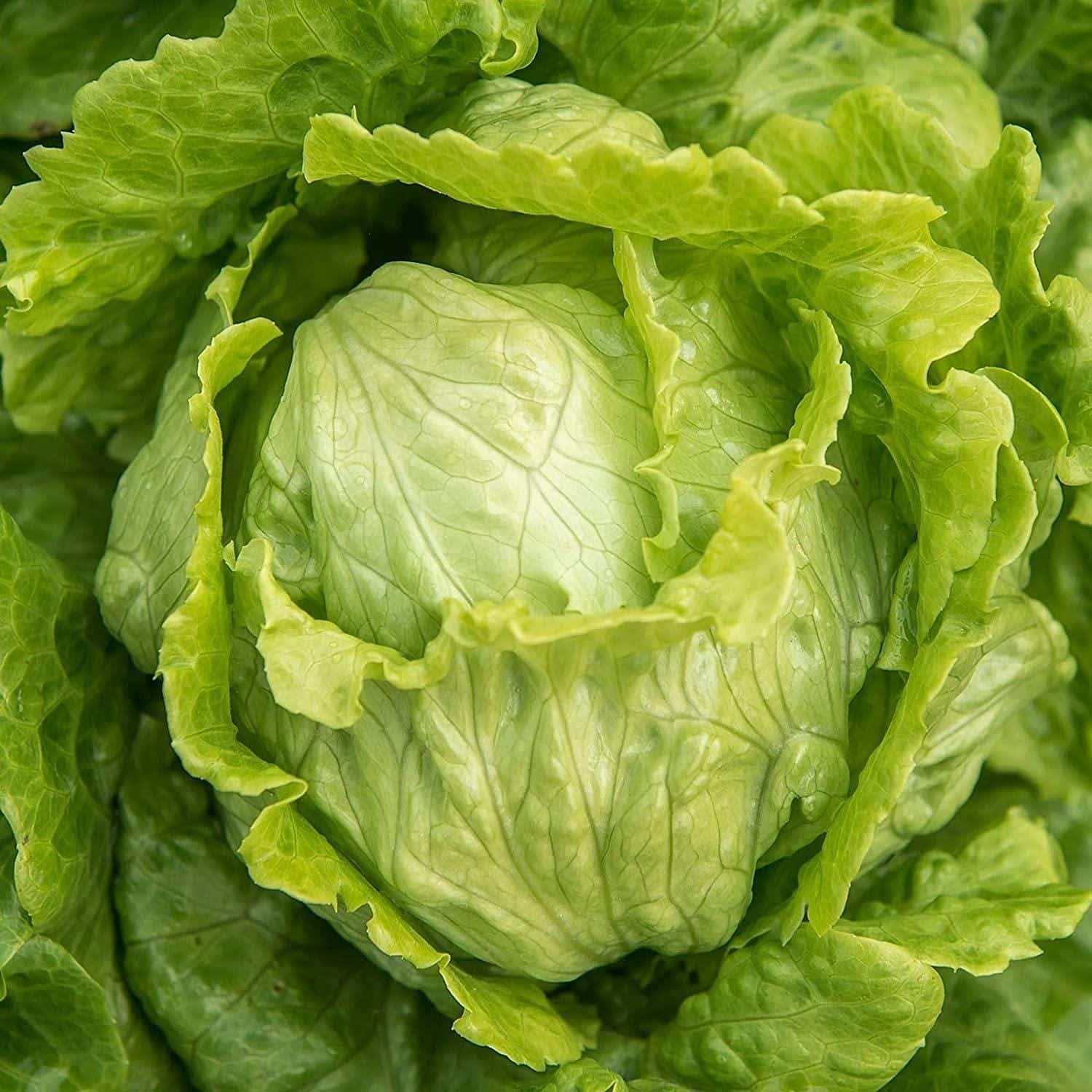
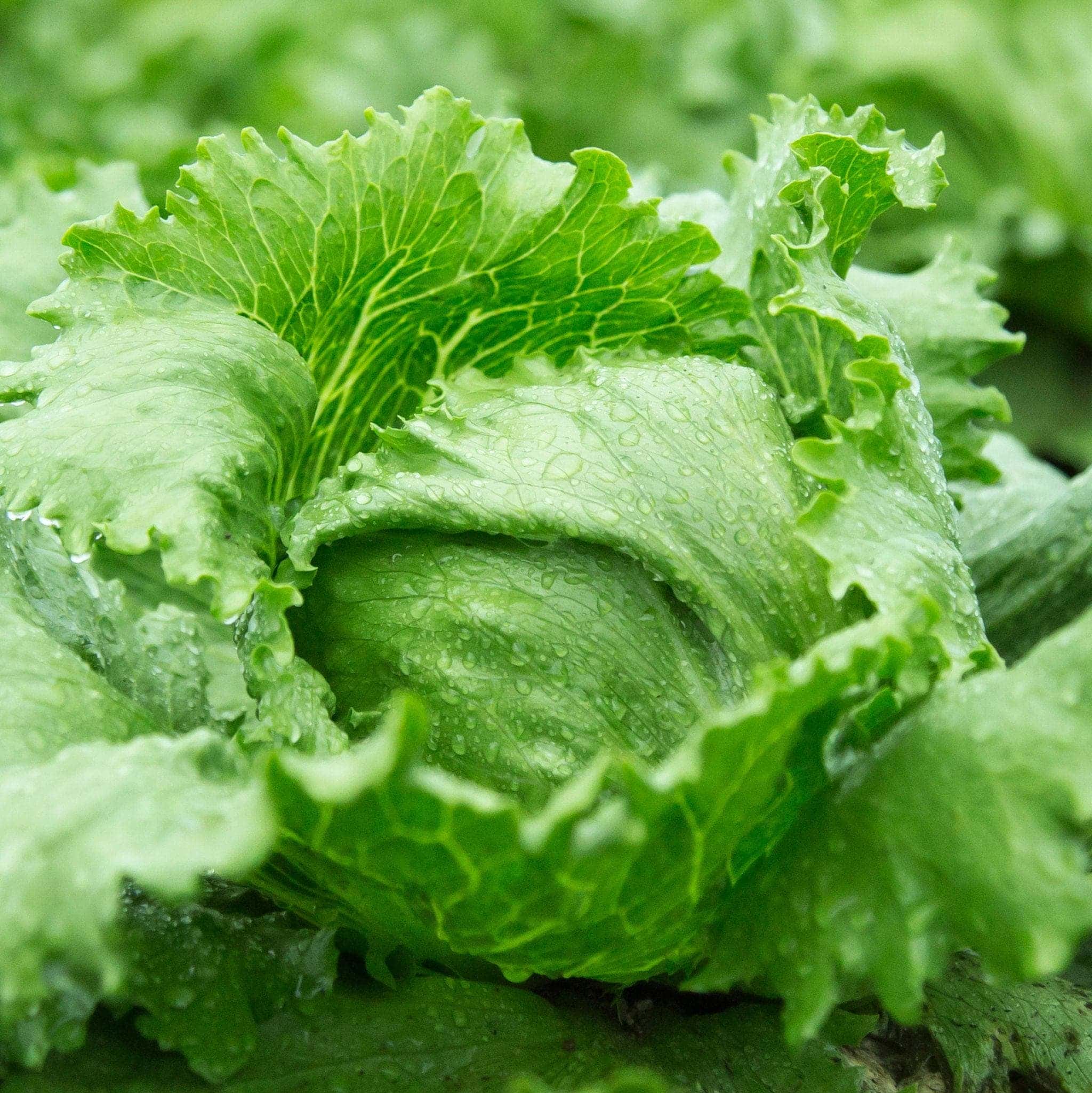
Product Overview: Grow Great Lakes Crisphead Lettuce from one packet of 100 seeds. The botanical identity is Lactuca sativa L., which Royal Botanic Gardens, Kew accepts as a species in the Asteraceae family. Illinois Extension recognises crisphead as one of the principal lettuce types and describes it as the iceberg class. Great Lakes is the product name, but no numbered strain, particular maturity date, head weight, disease package or heat-tolerance rating is specified.
- Botanical name: Lactuca sativa L.
- Crop type: Crisphead or iceberg-class lettuce
- Family: Asteraceae
- Packet quantity: 100 seeds
- Product form: Seeds only; no seedlings or harvested heads
Plan for Cool Growing Conditions
Lettuce is a cool-season crop. Illinois Extension reports that it performs well when average daily temperatures are around 60 to 70°F (16 to 21°C), while high temperatures can slow growth, encourage bitterness and trigger a seed stalk. Crisphead types need more care than leaf lettuce and are especially sensitive to heat during head formation. Choose a spring or autumn window that gives plants the longest practical period of moderate weather. Local frost dates and seasonal patterns matter more than a single universal calendar.
In many climates, crisphead lettuce is started as transplants so it can begin growth before warmer weather arrives. Start in clean cells or small containers and harden seedlings gradually before planting them outdoors. Avoid letting growth stop completely during hardening. Where direct sowing is suitable, prepare a fine, level seedbed and follow local extension advice for timing.
Sowing, Spacing and Establishment
Illinois Extension gives a general lettuce sowing depth of about 1/4 to 1/2 inch (6 to 13 mm). Cover lightly rather than burying seed deeply. Keep the upper soil layer evenly moist while seeds germinate and seedlings establish, without leaving it saturated. Some lettuce seed can respond to light during germination, so a thin covering and good soil contact are safer than a deep layer of soil.
Heading lettuce needs more room than loose-leaf types. Illinois Extension recommends setting crisphead transplants about 10 to 12 inches (25 to 30 cm) apart in the row. Adequate spacing gives the rosette room to develop and improves access for watering and inspection. Use wider spacing or row arrangements when recommended for your climate and soil. Thin crowded seedlings early, handling the remaining plants gently.
Water and Ongoing Care
Lettuce has shallow roots, so avoid deep hoeing close to the plants. Maintain steady moisture during active growth; alternating drought and saturated soil can stress plants and reduce head quality. Water near the soil surface early enough for wet foliage to dry, and inspect the bed rather than watering automatically on a fixed schedule. Mulch can help conserve moisture after seedlings are established, but keep it from covering the crowns.
Watch for rapid central stem growth as temperatures and day length increase. This is bolting, and Illinois Extension links it to long days, warmth and plant age. A developing seed stalk signals that harvest quality is declining. Because this product has no specified Great Lakes strain or maturity rating, do not use a fixed number of days as a guarantee. Judge progress from actual head formation and regional guidance.
Harvest and Handling
Harvest a crisphead plant when the head has formed and reached a useful firmness, before heat or bolting reduces quality. Cut cleanly at the base without damaging neighbouring plants. Remove damaged outer material, keep harvested lettuce cool and wash it before eating. Illinois Extension advises refrigerating lettuce and avoiding storage beside apples, pears or bananas, whose ethylene can encourage brown spots and decay.
What You Receive
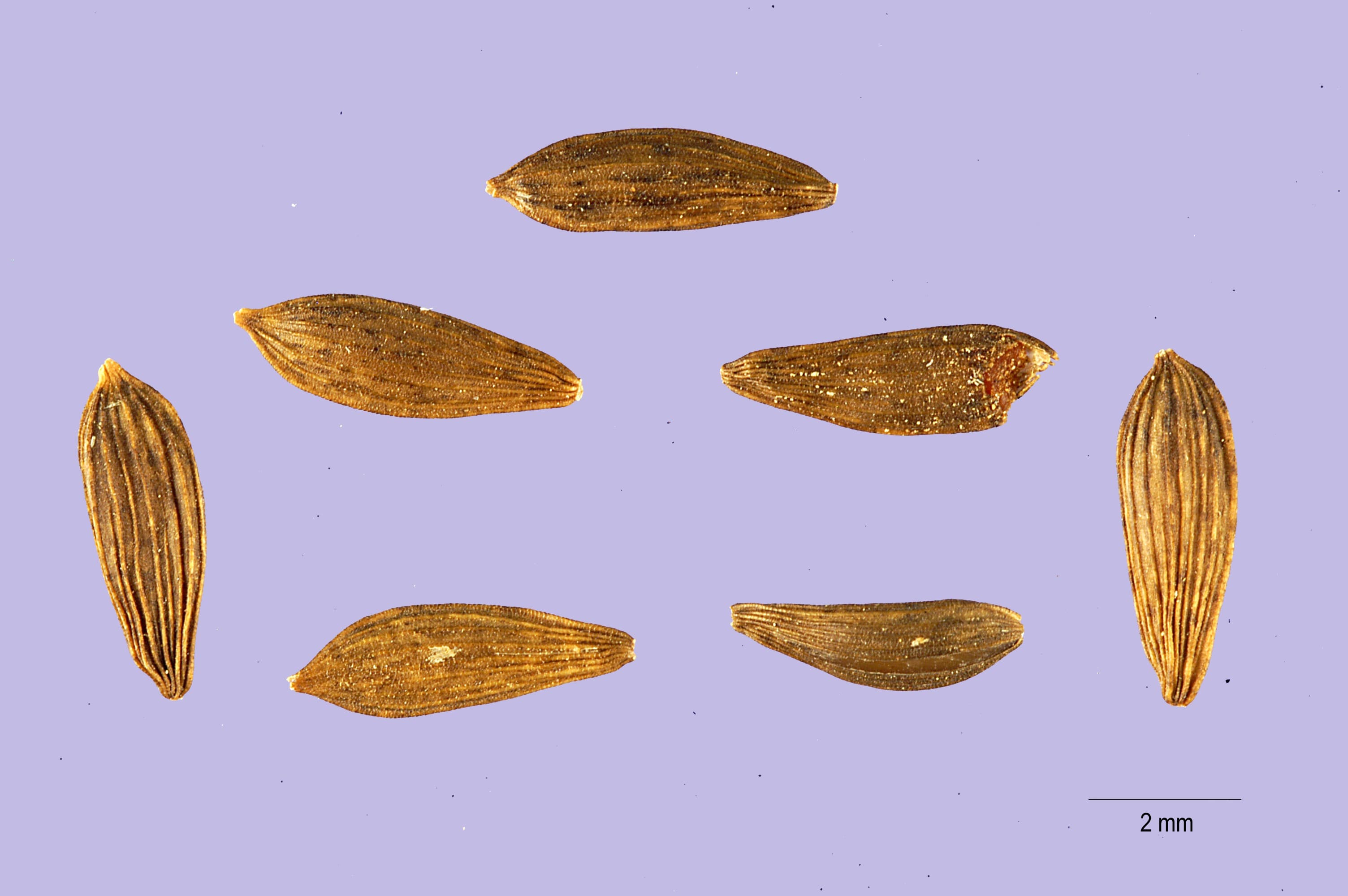
You will receive one labelled packet containing 100 Great Lakes Crisphead Lettuce seeds. This offer contains seeds only, not live plants or harvested lettuce. The listing does not claim organic certification, non-GMO status, heirloom provenance, a specific Great Lakes strain, guaranteed germination, head size, flavour, yield, disease resistance, heat tolerance or days to maturity. Results vary with seed handling, temperature, light, soil, moisture, spacing and care. Keep unused seed cool, dry and clearly labelled.
Frequently Asked Questions
Is crisphead the same class as iceberg lettuce?
Yes. Crisphead is the dense-heading class commonly sold as iceberg lettuce. Great Lakes is the recorded product name for this packet.
Can Great Lakes lettuce be direct sown?
It can be direct sown where conditions are suitable, but crisphead lettuce is often transplanted so plants can develop during cool weather. Use local extension timing for your climate.
Does this packet specify a Great Lakes strain?
No numbered strain is documented. The proposal therefore avoids strain-specific claims about maturity, heat tolerance, head size and disease resistance.