

About this variety
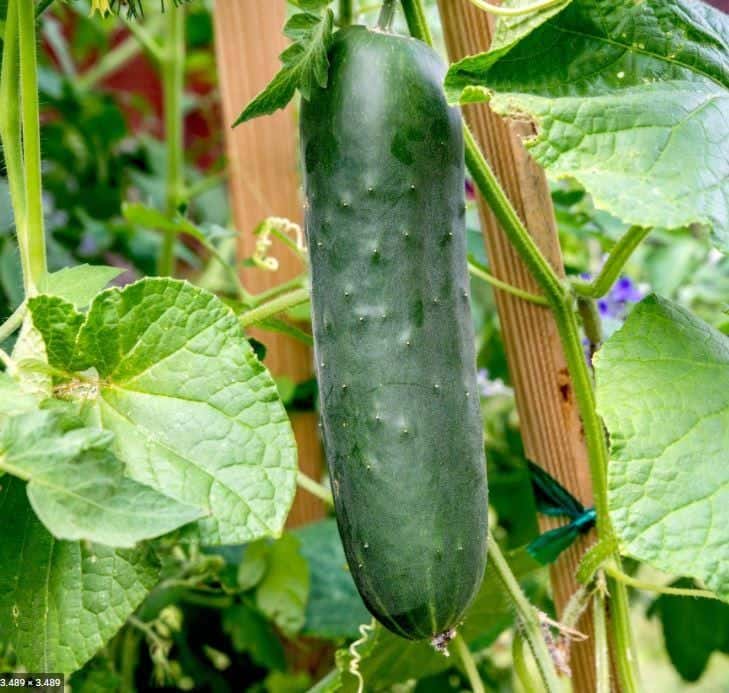
Product Overview: Grow Marketmore Cucumber from this packet of 25 seeds. The botanical identity is Cucumis sativus, an accepted species in the gourd family, Cucurbitaceae. North Carolina State University's cucumber cultivar record identifies the original Marketmore as a Cornell-bred, monoecious slicing cucumber introduced in 1968. This packet is labelled Marketmore without a numbered selection, so it is not presented as Marketmore 76, Marketmore 97, or another later member of the series.
- Botanical name: Cucumis sativus L.
- Family: Cucurbitaceae
- Crop type: Warm-season slicing cucumber
- Packet quantity: 25 seeds
Growing from Seed
Sowing: Cucumbers need warm conditions. Utah State University Extension recommends direct sowing when the soil has warmed to about 65°F (18°C), placing seed about 1 inch (2.5 cm) deep. In short-season climates, plants may be started in containers before transplanting, but cucumber roots should be handled gently. Do not move seedlings outdoors until frost risk has passed and the soil is warm.
Position: Choose a site in full sun with fertile, well-drained soil. Work in organic matter where needed and use a local soil test to guide fertiliser or pH adjustments. Avoid low areas that remain waterlogged after rain. Standard cucumber vines need room to spread, so plan the bed before sowing rather than crowding plants against slower-growing crops.
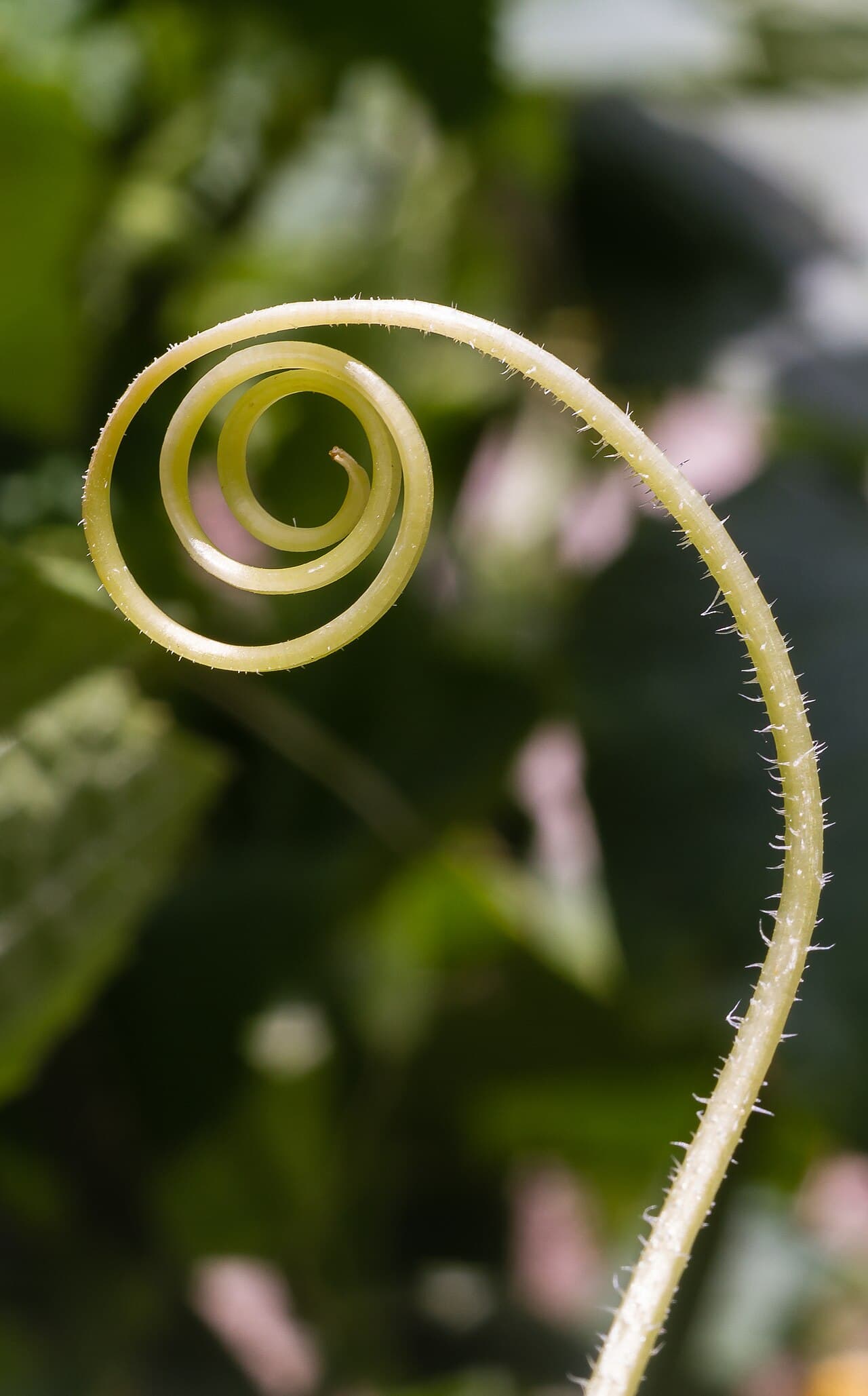
Spacing: Utah State University suggests sowing several seeds per station, then thinning to the strongest plants, with stations roughly 12-18 inches (30-45 cm) apart and generous space between rows. Local systems differ, especially where vines are trained vertically. A sturdy trellis or fence can save ground space and keep developing fruit easier to see, while unsupported vines can also grow across an open bed.
Water: Keep the root zone consistently moist, particularly as flowers open and fruits begin to develop. Cucumber roots are relatively shallow, so long dry intervals can stress the vines. Water the soil deeply rather than repeatedly wetting only the surface, and use mulch after the soil has warmed to help conserve moisture. Do not leave the bed saturated.
Flowers, Fruit and Harvest
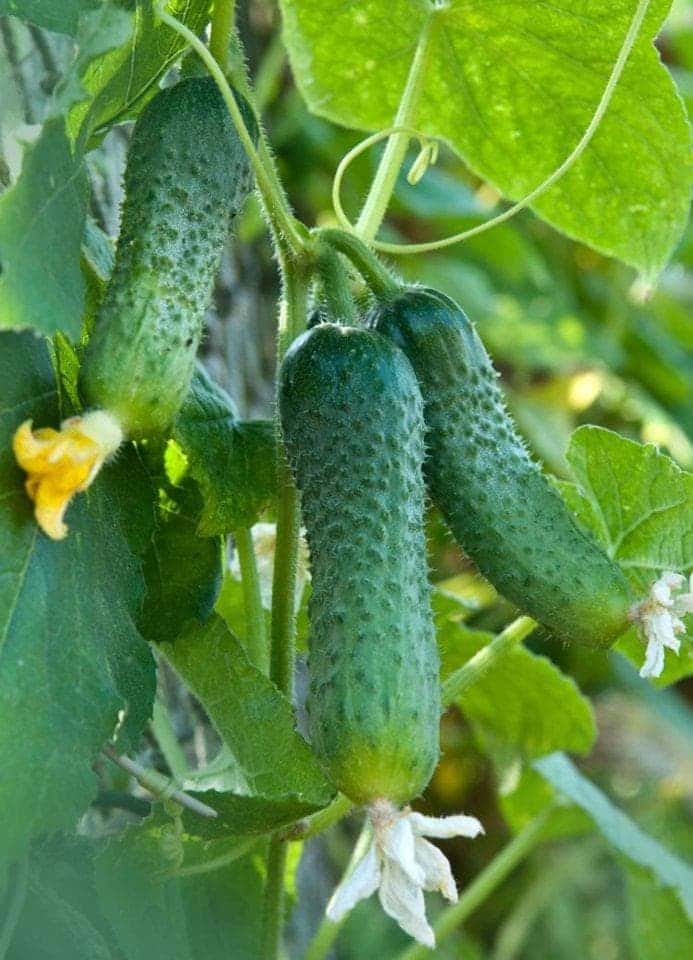
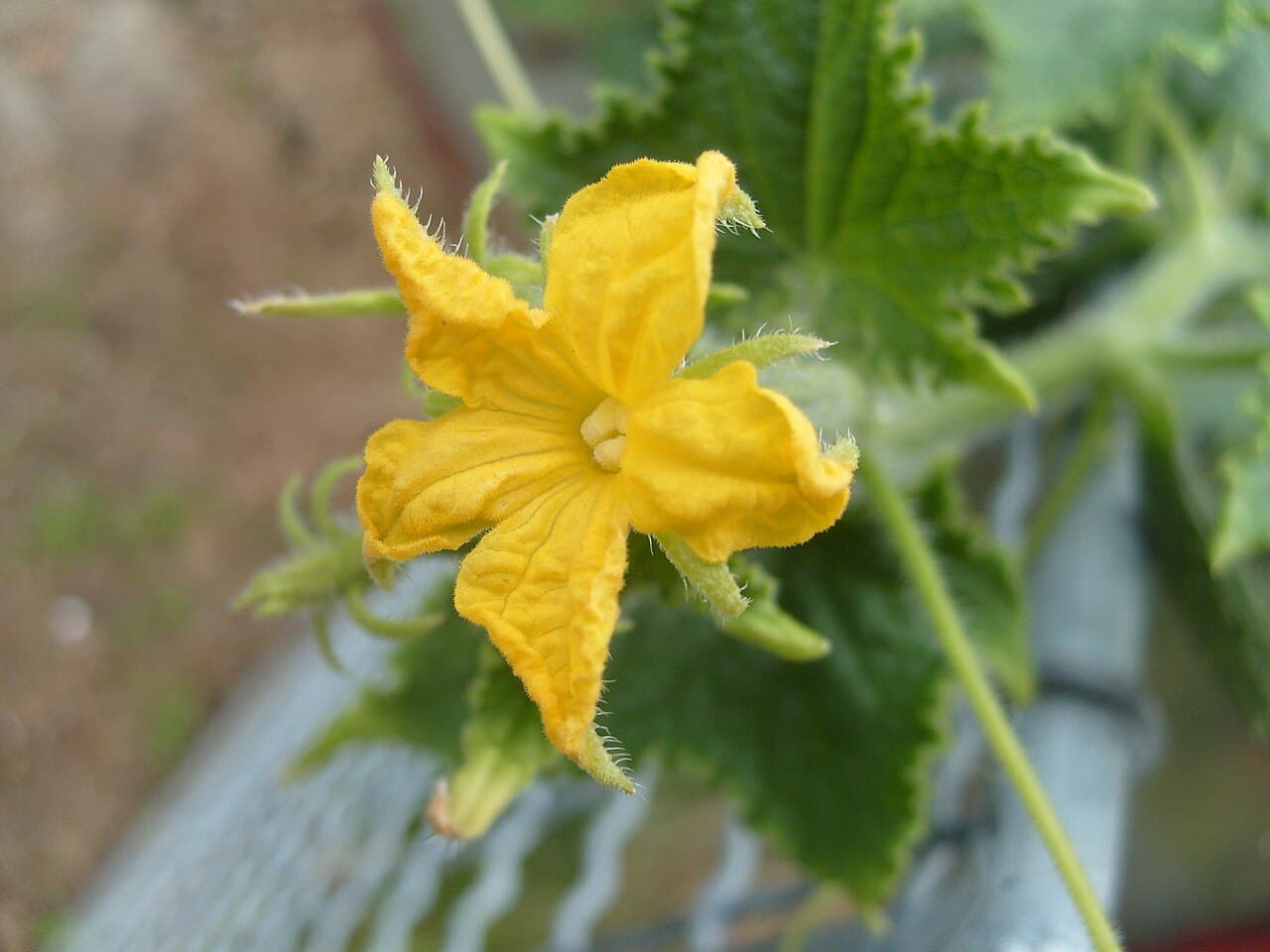
Pollination: The original Marketmore is recorded as monoecious, meaning a plant bears separate male and female flowers. University of Minnesota Extension notes that cucumbers generally depend on pollinator visits for good fruit development. During flowering, avoid disturbing bees and other beneficial visitors, and follow locally appropriate pest-management guidance.
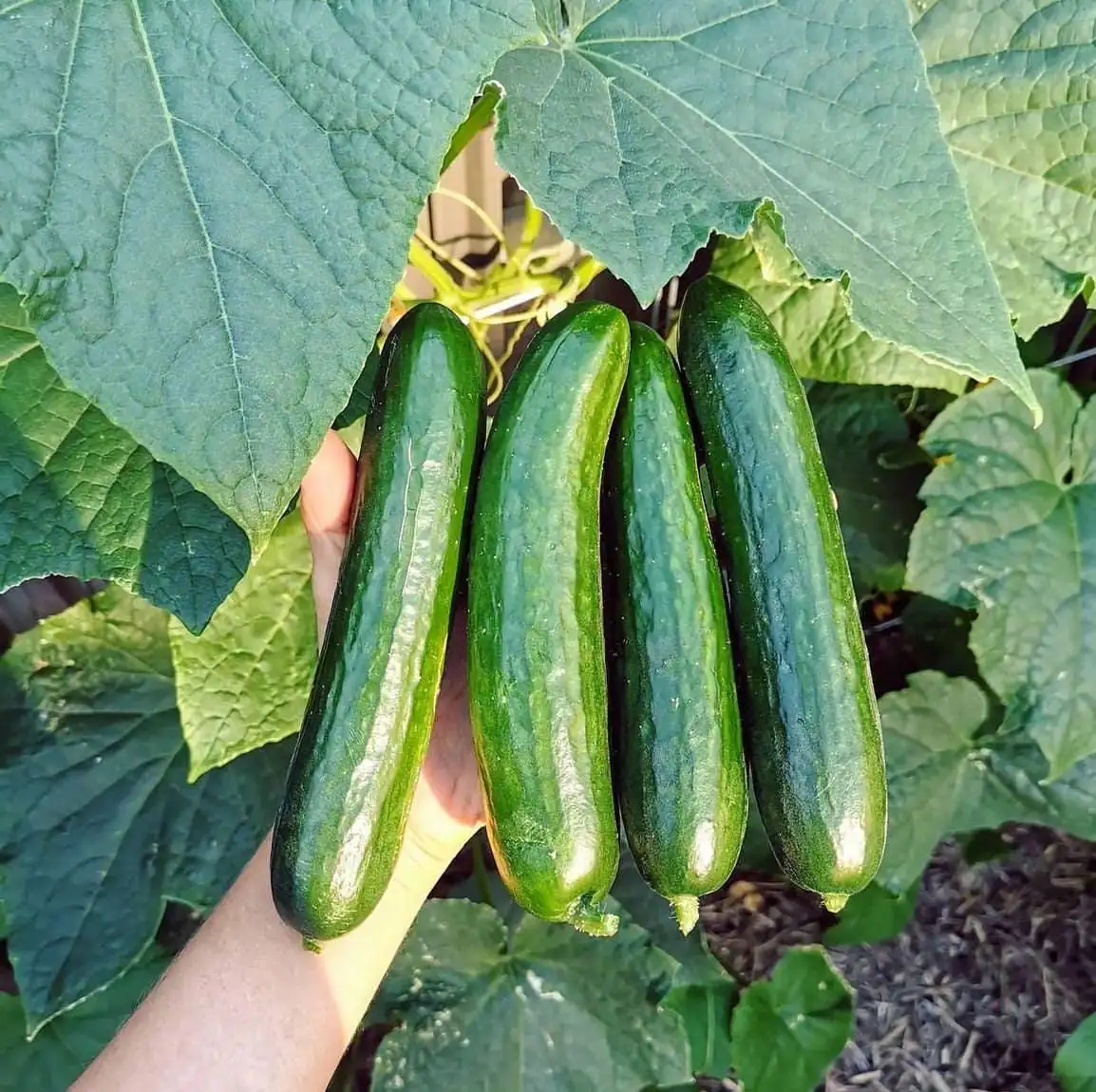
Harvest: Marketmore belongs to the slicing class. Illinois Extension advises harvesting slicing cucumbers while the fruits are green, firm, and still tender, before the seeds become hard. Check vines frequently because cucumber fruit can enlarge quickly. Cut or twist fruits carefully without pulling on the vine, and remove over-mature yellowing fruit.
Storage: Use freshly harvested cucumbers promptly for the best texture. Keep unplanted seed in its labelled packet in a cool, dry place away from direct sunlight and moisture. Growing and harvest timing vary with soil temperature, weather, pollination, and garden care.
What You Receive: One labelled packet containing 25 Marketmore Cucumber seeds. This product contains seeds only, not live plants or harvested cucumbers.
Frequently Asked Questions
Is Marketmore a slicing or pickling cucumber?
The original Marketmore is documented as a slicing cucumber. Harvest the fruits while green and firm for fresh slicing rather than allowing them to become oversized and yellow.
Can Marketmore cucumbers be grown on a trellis?
Yes. A sturdy trellis can support the vines and make harvesting easier. Check ties or netting as the vines grow so stems are supported without being pinched.
Why are flowers important for cucumber fruit?
Cucumber fruit development normally depends on pollen moving between flowers. Encourage pollinator access during bloom and avoid unnecessary disturbance of visiting bees.