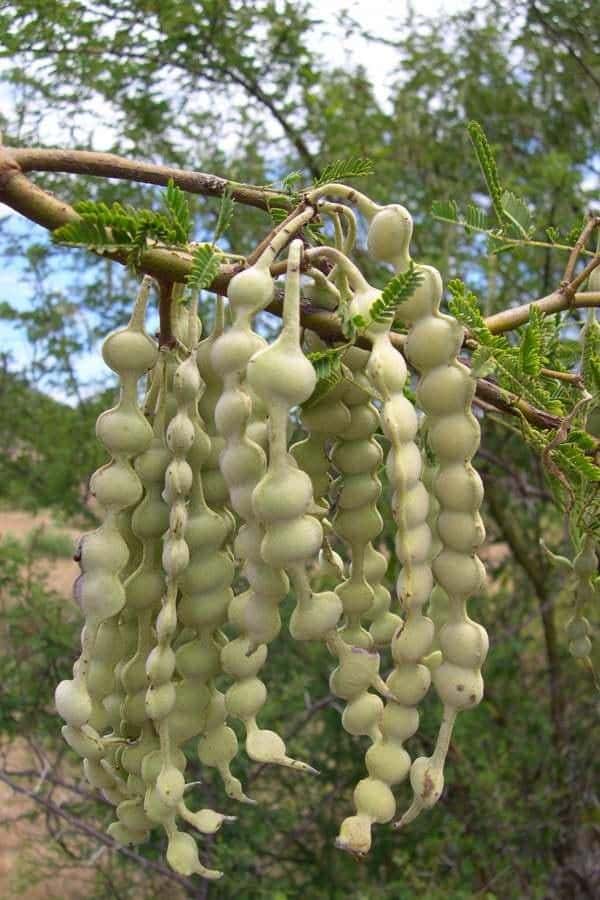
Spartium junceum 35 PCS fresh seeds, Spanish broom, Rush broom seeds, Weaver's broom, Yellow flowers, Deciduous shrub, Organic seeds

Deodar Seeds
L68
$
8.34
$
10.42

🌱 Spartium junceum — Spanish broom, Rush broom, Weaver's broom

This product is a pack of 35 fresh seeds of Spartium junceum, a deciduous shrub native to the Mediterranean region. Key selling points include its ability to thrive in dry, steep slopes and its drought-resistant nature.

🌿 Botanical Description

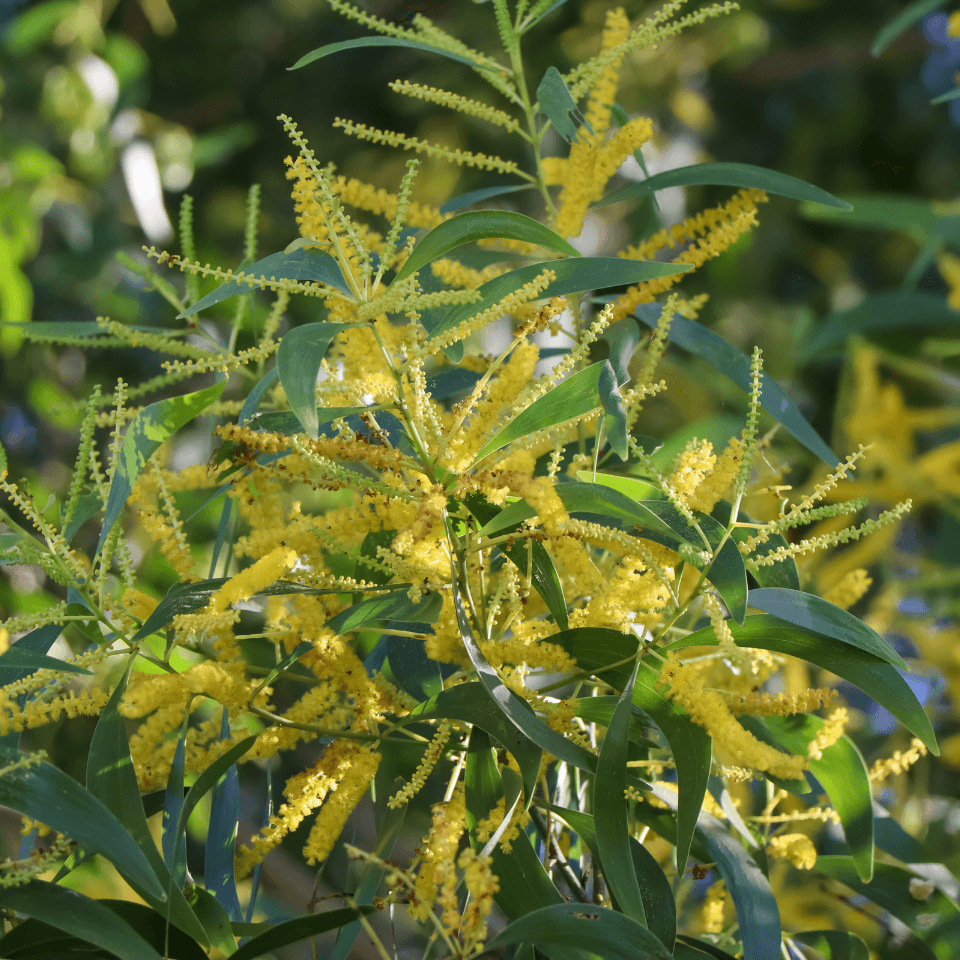
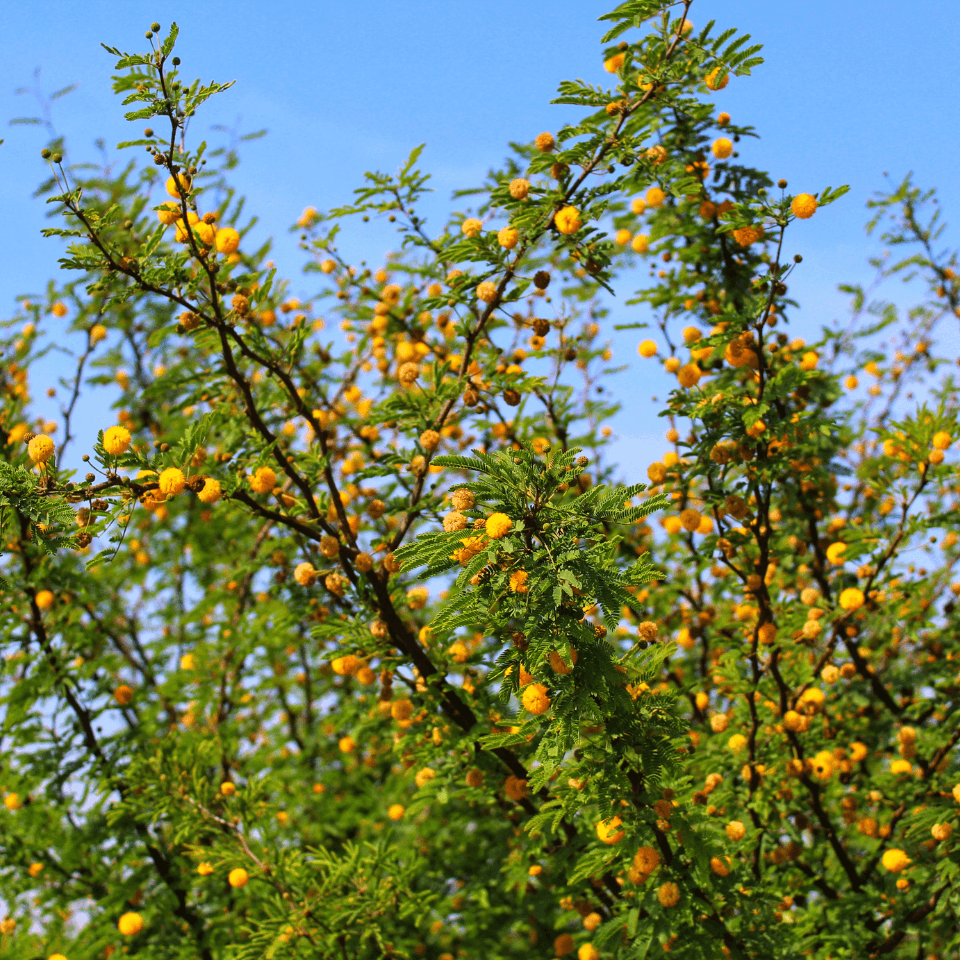
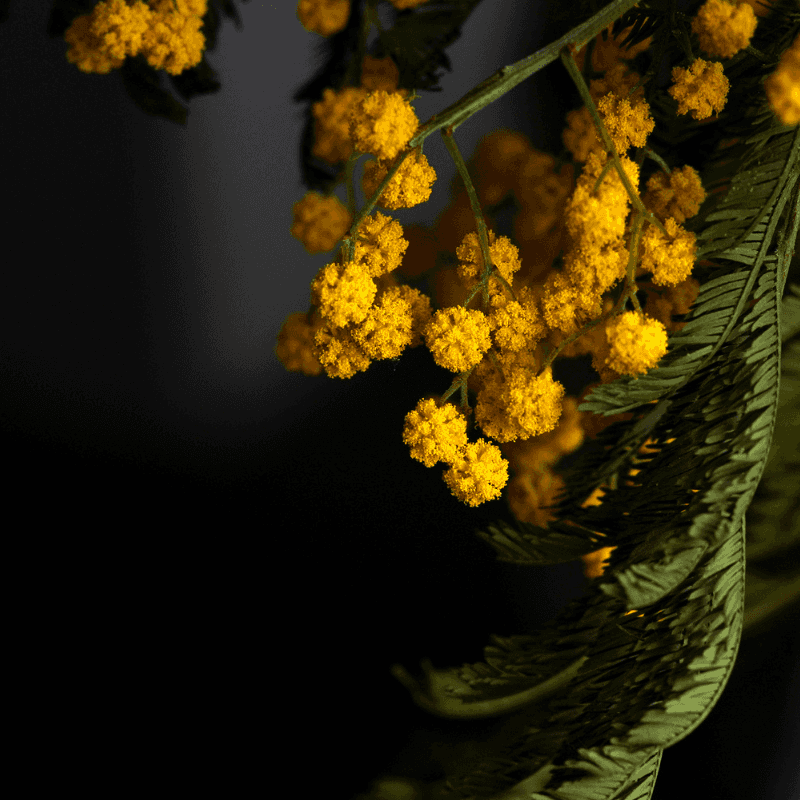
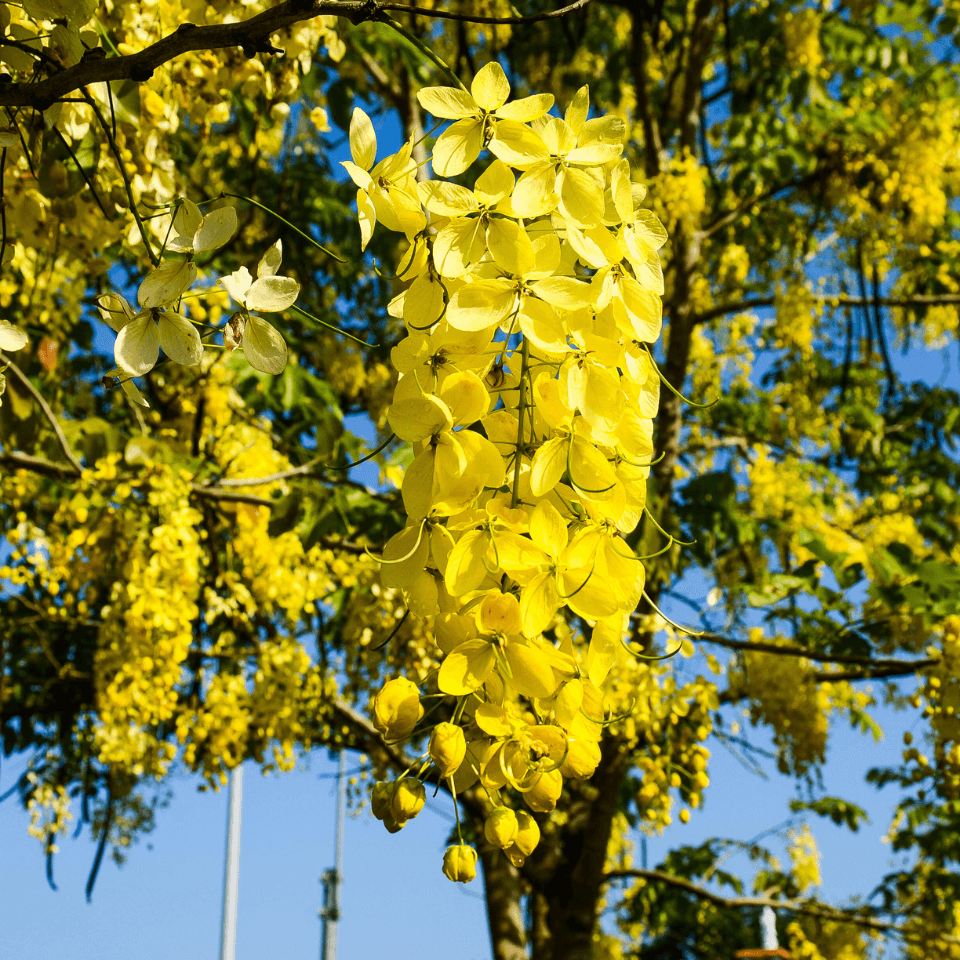
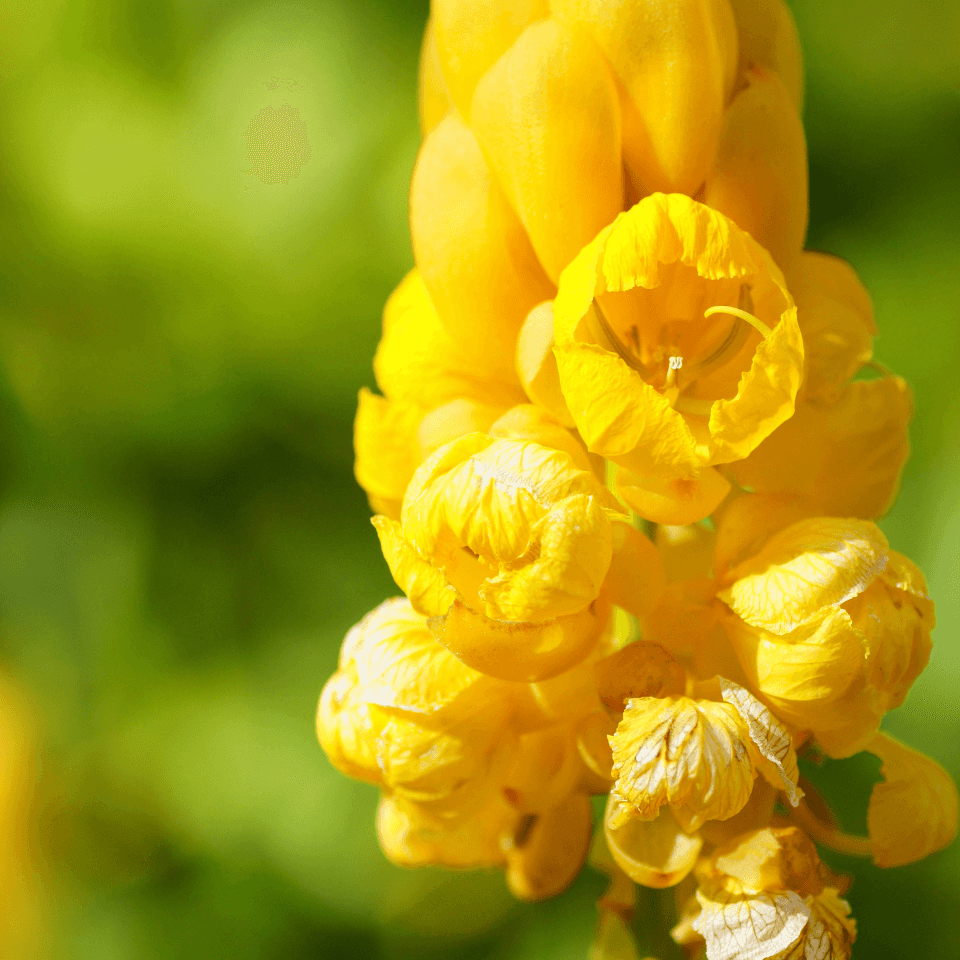
Spartium junceum is an erect, twig-like perennial shrub that can grow up to 2-3 m high. It has thin green, leafless or almost leafless shoots that turn brown in the third year. The leaves are oblanceolate or linear, 1–2.5 cm long, bluish-green, sparsely hairy or almost glabrous, rigid, sessile or short-petiolate. The flowers are bright yellow, fragrant, about 2.5 cm long, collected in inflorescences on the current year's shoots, in an apical raceme. It blooms in May-June, sometimes again in October. The fruit is a linear, fluffy bean, 5-10 cm long, multi-seeded. The seeds are brownish and shiny.

🌾 Growing & Agrotechnics

  • Sowing depth: 1-2 cm, timing: spring or fall, pre-treatment: no stratification or scarification needed.
  • Germination temperature and time: 15-20°C, 1-2 weeks.
  • Soil type: well-draining, pH: 6.0-7.0, drainage requirements: good drainage.
  • Watering and fertilization: water regularly, fertilize with a complete mineral fertilizer with microelements in the spring, add wood ash in the summer.
  • USDA Hardiness Zone: 8 (-12°C to -7°C), frost tolerance: moderate.

🗺️ Natural Growing Areas

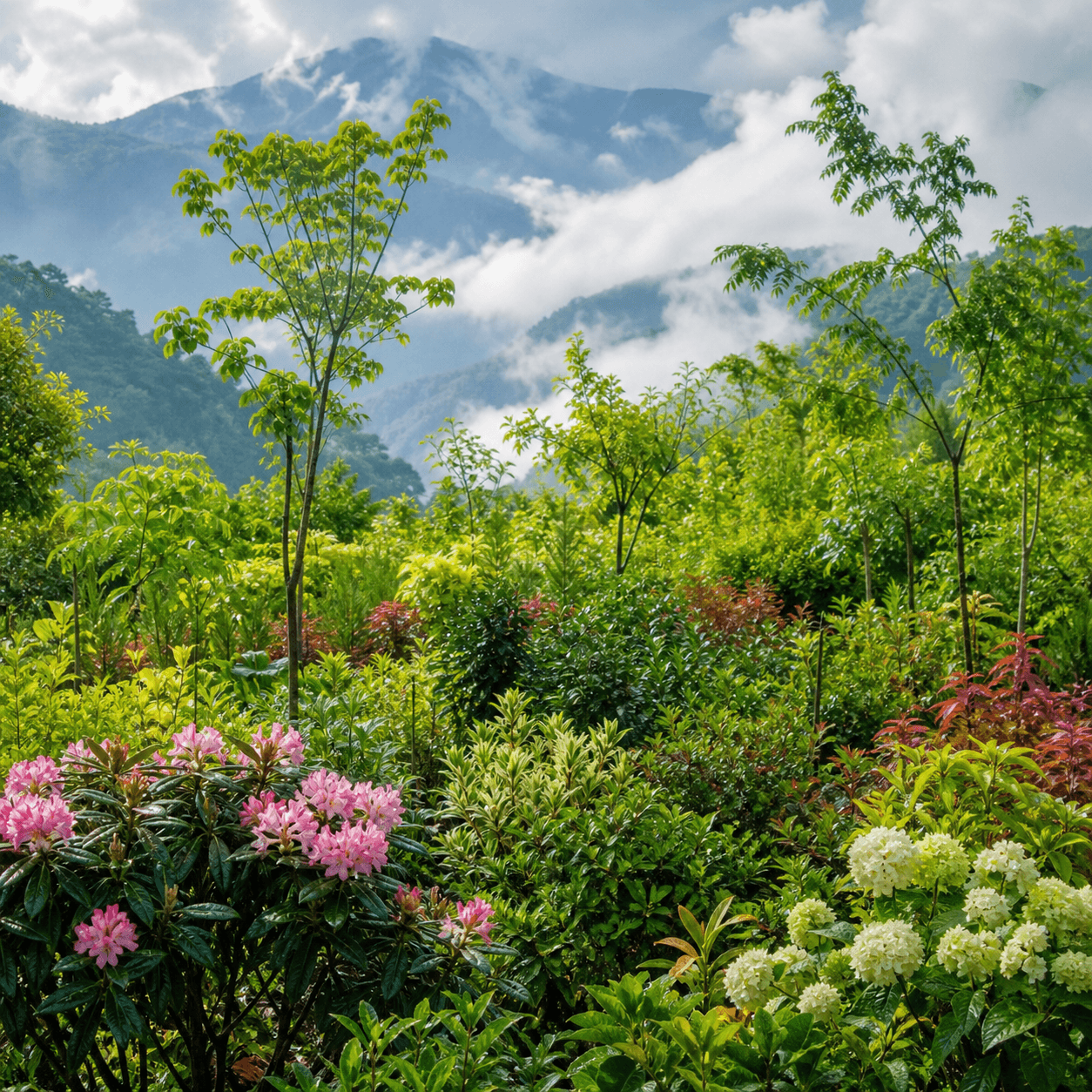
Spartium junceum is native to the Mediterranean region, where it grows in dry, steep slopes, and near the seashore. It thrives in climate zones with mild winters and hot summers, and can tolerate sea spray.

✨ Interesting Facts

Spartium junceum has been used for securing gravelly slides, landslides, and road slopes due to its ability to thrive in dry conditions. It is also a good honey plant and can be used for decorating dry slopes and hedges. In the wild, it grows well on dry, steep, highly heated slopes, and can tolerate a range of soil types.

Perennial: Y

See also: