
Seed preparation
Choose plump, undamaged seed. TNAU treats seed with the biofertilizer Azospirillum just before sowing; home gardeners can sow untreated seed.
 Visit deodar-seeds.in
Vegetable growing guide
Pumpkin is a vigorous, warm-season vine that needs warm soil, plenty of space and bees to set fruit. Sow it directly into rich, well-drained soil, keep it evenly watered and cure the fruit before storing.
Choose plump, undamaged seed. TNAU treats seed with the biofertilizer Azospirillum just before sowing; home gardeners can sow untreated seed.
Not needed. Pumpkin seed absorbs water readily once the soil is warm.
Not needed. Pumpkin has no cold requirement; cold soil is the usual reason for failure.
Not needed. Sowing into warm, moist soil matters more than pre-soaking.
Seed needs at least 16 °C (60 °F) soil. The best range is 21-32 °C (70-90 °F), with a peak near 35 °C (95 °F); above about 38 °C (100 °F) germination fails.
About 2.5 cm (1 in) in slightly raised hills or in pits. Sow 3-5 seeds per pit or hill.
Deep, well-drained sandy loam rich in organic matter, pH about 6.2-7.5. TNAU fills pits 30 x 30 x 30 cm with well-rotted manure and soil before sowing.
Water the pits before sowing and keep the soil moist, not soggy, with light frequent watering until seedlings are established.
No light is needed for germination. Choose an open site in full sun.
Emergence is quick once the soil is warm and slow, uneven or absent in cold soil, so warm soil matters more than any seed treatment.
Pumpkin is normally sown where it will grow. If you start seedlings early, sow one or two seeds per pot and plant them out young, with the root ball intact, once the soil is warm.
Thin to 2 plants per pit about 15 days after sowing (TNAU). Space pits 2 m x 2 m (6.5 x 6.5 ft); large vining varieties may need 2.4 m (8 ft) or more on all sides.
Keep the bed weed-free until the vines cover the ground. Feed nitrogen about 30 days after sowing (TNAU) or 3-4 weeks after planting (UGA), keeping fertilizer off the leaves.
In temperate climates sow after frost once the soil is warm. In Tamil Nadu TNAU sows in June-July and December-January.
TNAU lists CO 1, CO 2, Arka Suryamuki, Arka Chandan and Ambili for Indian conditions. Large C. maxima pumpkins are sown and grown the same way.
Aim for about 2.5-5 cm (1-2 in) of water a week, applied at soil level, and do not let vines dry out for long after fruit set.
Harvest when the fruit has deep, full colour (green-skinned types turn yellowish), a hard rind and a stalk that separates easily, usually 85-120 days after sowing. Cut with a 7-10 cm (3-4 in) stalk, cure for about two weeks at about 27 °C (80 °F), then store dry at 10-13 °C (50-55 °F).
Sow pumpkin into warm, rich soil with plenty of room for the vines.
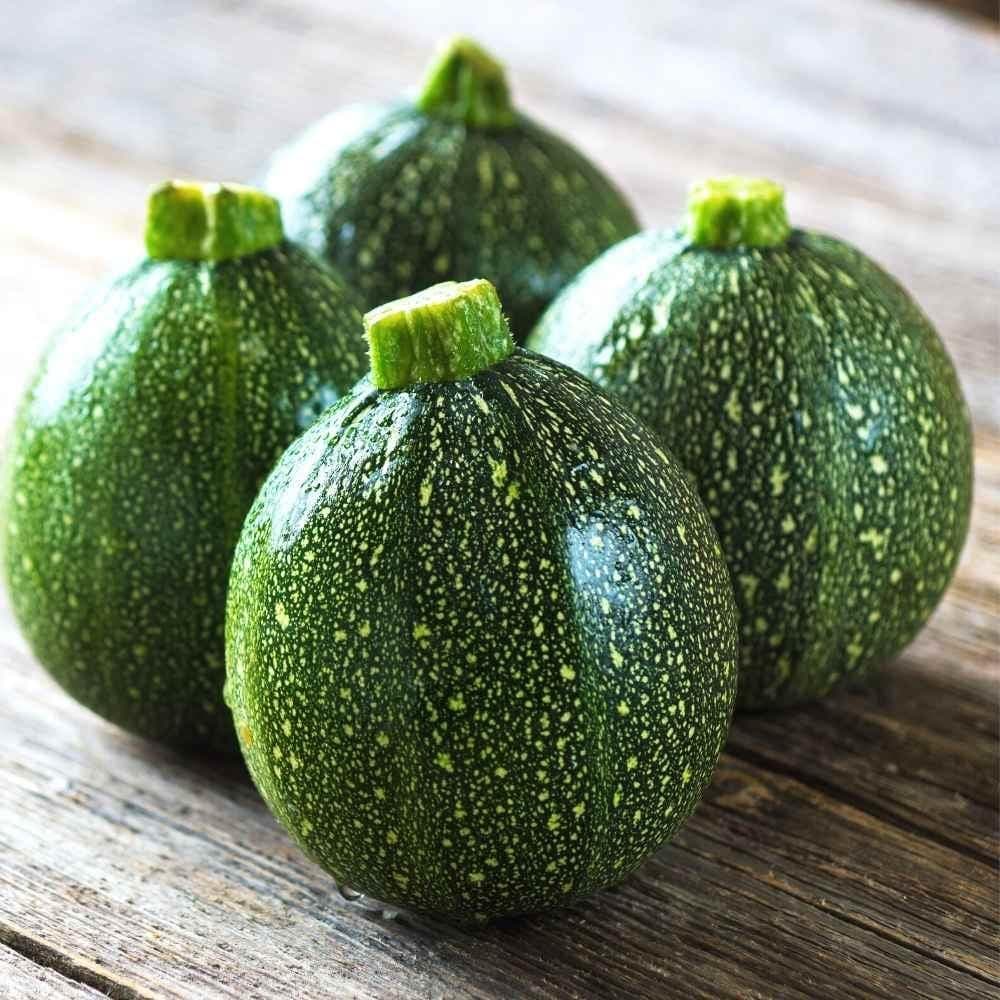
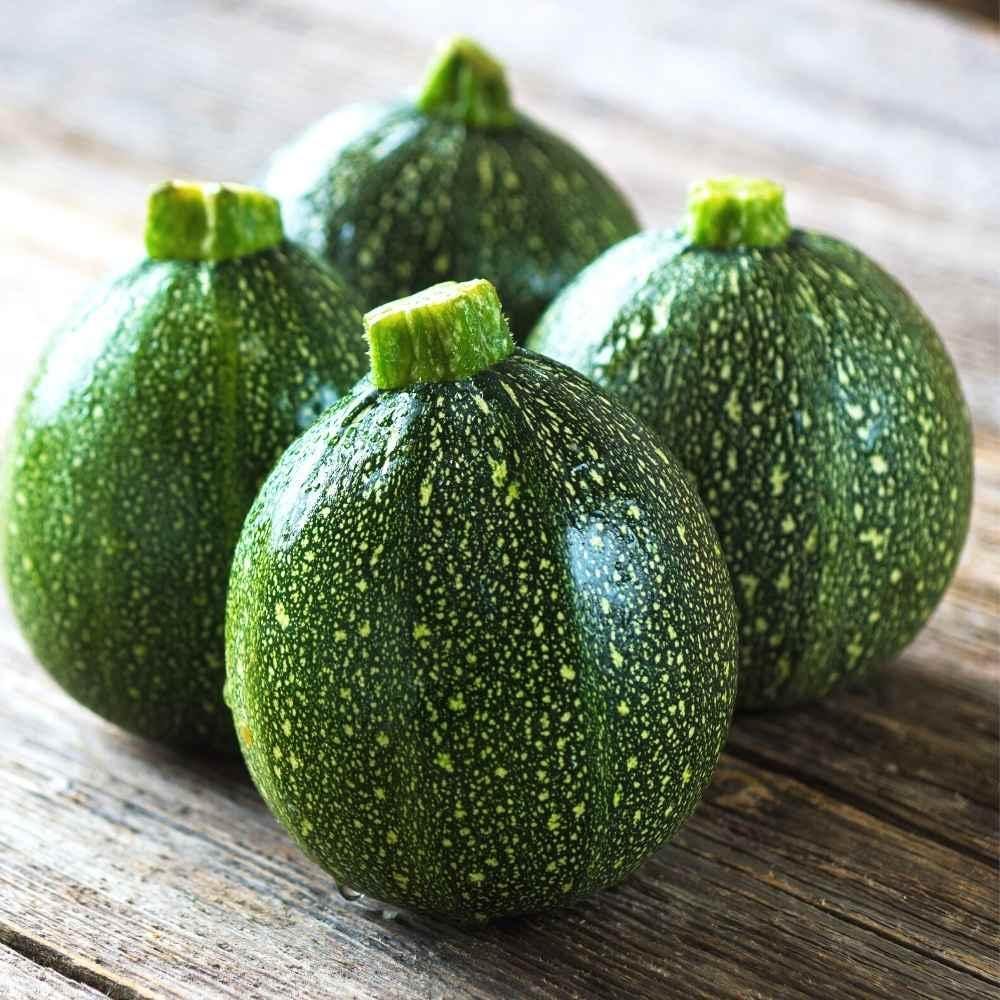 Chappan kaddu (Indian summer squash) SeedsCucurbita pepofrom
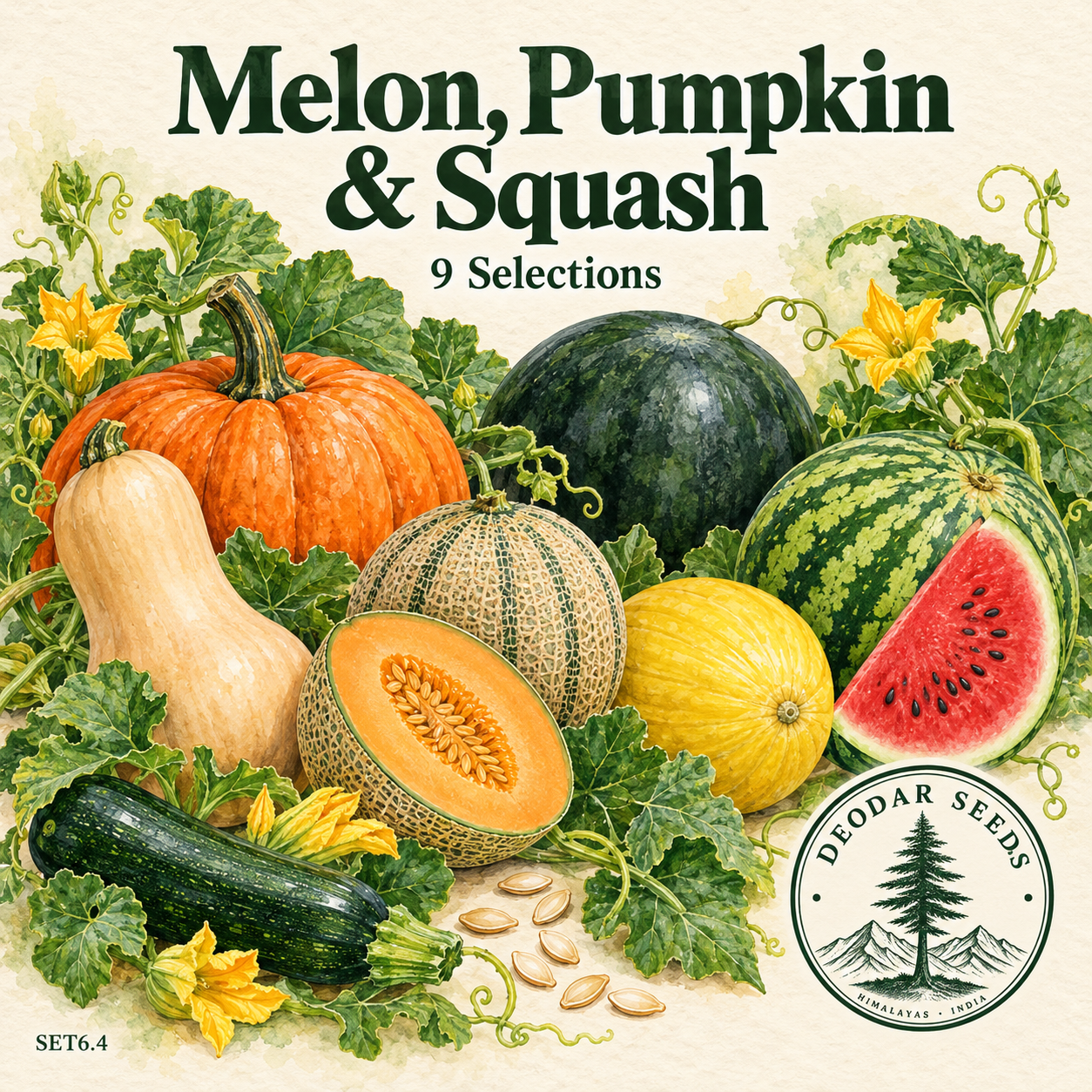 Melon Pumpkin & Squash Collection, 9 Seed Varietiesfrom
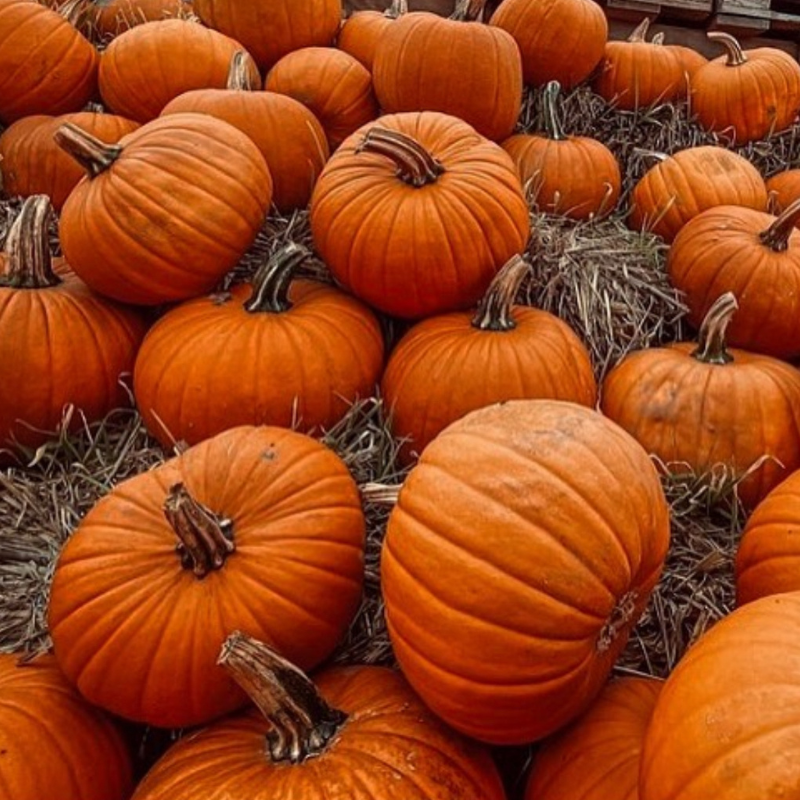 Orange pumpkin SeedsCucurbita pepofrom
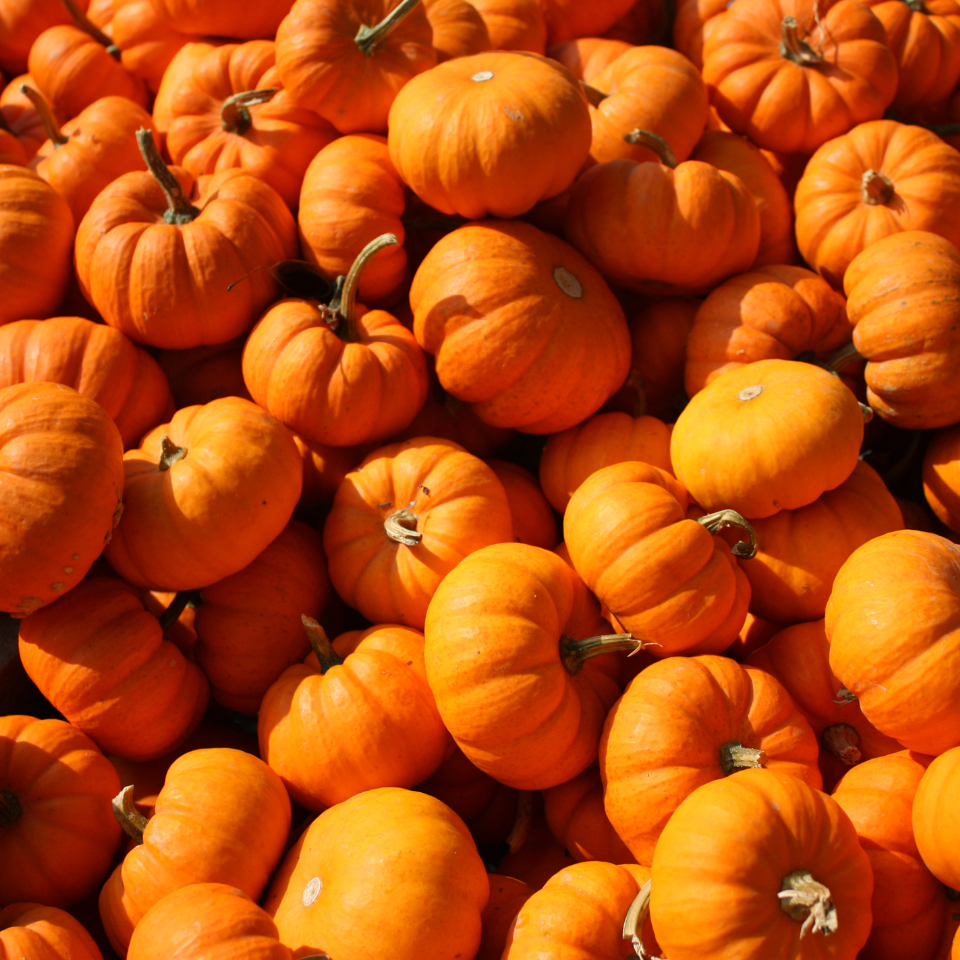 Pumpkin Sada Bahar SeedsCucurbitafrom
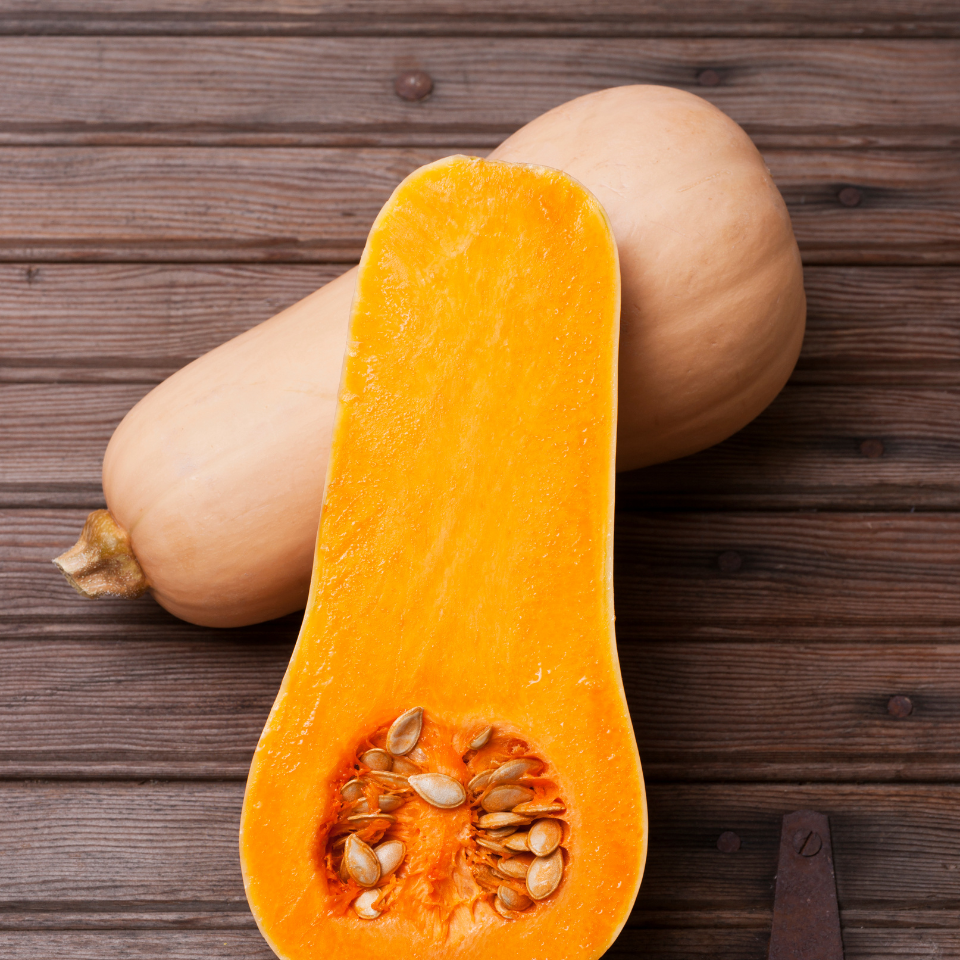 Pumpkin butternat SeedsCucurbita moschatafrom
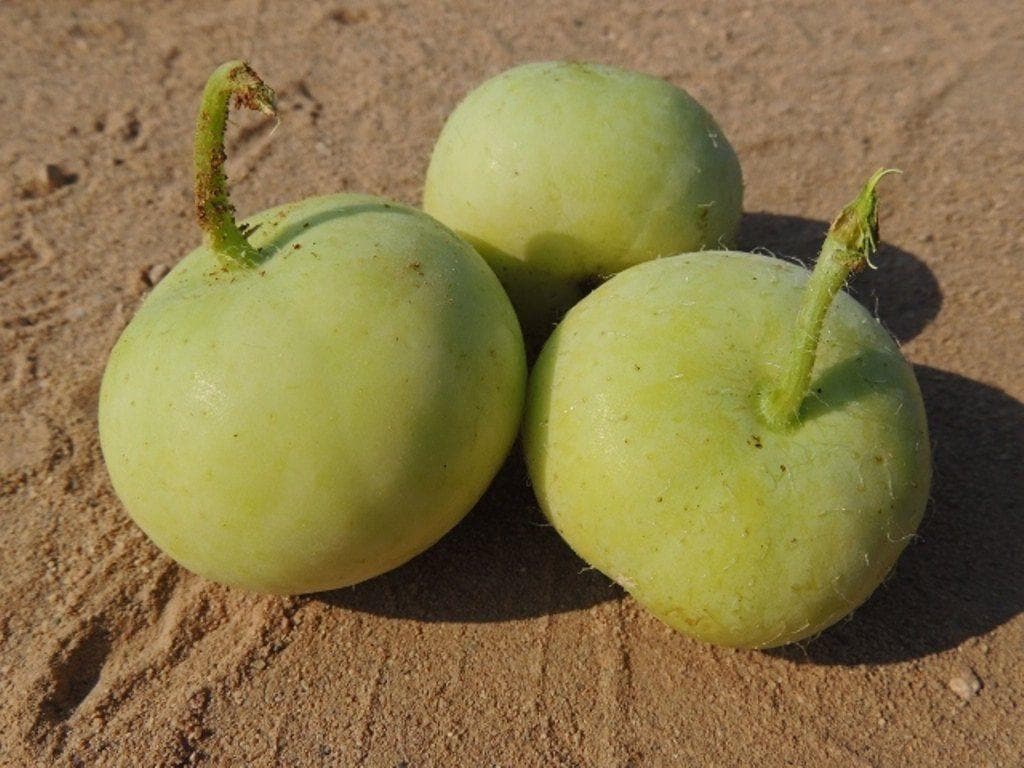 Tinda, Green baby pumpkin, Apple gourd SeedsPraecitrullus fistulosusfrom
The first flowers are often all male, and female flowers need several bee visits to set fruit. Keep plants growing well and avoid spraying insecticides while they are in flower.
A lot. TNAU spaces pits 2 m x 2 m with two plants each; large vining varieties can spread more than 2.4 m (8 ft).
They are close relatives in the genus Cucurbita and are sown the same way. Zucchini is Cucurbita pepo and is eaten young; Indian pumpkin is mostly Cucurbita moschata and is harvested mature.